Waltham butternut, the queen of butternut squash
Cucurbita moschata 'Waltham'
- Exposure
- Sun
- Hardiness (USDA)
- 9a (-6.7°C ≤ T° < -3.9°C)
- Lifecycle
- Perennial
- Foliage
- Evergreen
- Family
- Cucurbitaceae
- Genus
- Cucurbita
- Species
- Butternut squash Cucurbita moschata
While actors dream of an Oscar and athletes of an Olympic medal, vegetables dream of the prestigious All America Selection. In 1970, this honor was bestowed on the Butternut Waltham. Since then, this variety of Butternut squash(Cucurbita moschata) has become the star of vegetable gardens, veloutés and purées.
How to recognize Waltham butternut squash?
Waltham butternut squash is an annual vegetable. It is a runner, growing up to 45 cm tall.
Its green, hair-covered stems can grow to over 3 m. They have aerial roots and tendrils, enabling them to cling to a support.
The dark-green leaves are whole. Slightly indented, they have 5 lobes.
Squash are monoecious plants. They develop male and female flowers on the same plant. Both are yellow and funnel-shaped. The female flowers, those that give rise to the fruit, are swollen at the base.
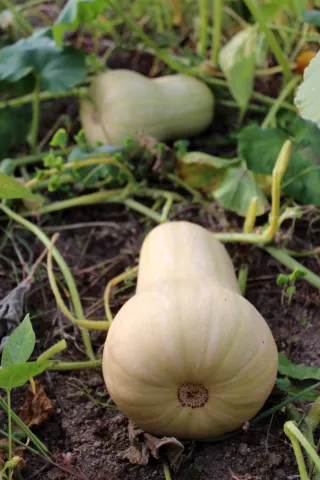
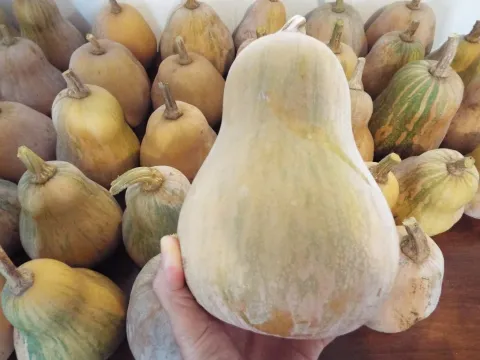
Waltham butternut squash produces an elongated, bottle- or club-shaped fruit. Beige in color, it weighs between 1.5 and 3 kg. Its orange-yellow flesh has a nutty taste.
The few seeds are flattened and oval.
Is the Waltham butternut squash toxic?
Waltham butternut squash is not toxic. Its fruits, seeds and even flowers are edible.
However, squash can become unfit for consumption when their cucurbitacin levels are too high. This is particularly the case with wild hybridization. To find out if your butternut is edible, taste a raw piece. If it's bitter, the squash has become toxic.
Our care tips
Butternut Waltham hybridize easily when planted in close proximity. Grow only one variety of Cucurbita moschata 'Waltham' per location, to be sure of harvesting the expected fruit.
 Watering
Butternut Waltham like to keep their base moist, especially during the flowering and fruiting period.
Water your Butternut Waltham at the base, taking care not to wet the leaves. Preferably use rainwater at room temperature.
 Fertilization
Butternut Waltham are greedy plants. You need to fertilize them throughout their growth, adapting the type of fertilizer to their development:
- After planting: apply a nitrogen-rich fertilizer (special vegetable fertilizer or nettle manure);
- When flowers appear: fertilize with a potassium-rich fertilizer (tomato fertilizer or comfrey purin).
 Harvest
You can harvest when :
- Stems and leaves are yellow ;
- Fruit has hard skin and makes a hollow sound when tapped.
- The stalk is dry.
Using clean, sharp pruning shears, cut off the stalk, leaving 5 to 10 cm of stem. This length improves preservation.
Don't grasp the fruit by the stalk, as this could break and damage it. Carry with one or two hands.
Don't grasp the fruit by the stalk, as this could break and damage it. Carry with one or two hands.
Harvesting begins in summer and lasts until the first frosts.
Using clean, sharp pruning shears, cut off the stalk, leaving 5 to 10 cm of stem. This length improves preservation.
Don't grasp the fruit by the stalk, as this could break and damage it. Carry with one or two hands.
Don't grasp the fruit by the stalk, as this could break and damage it. Carry with one or two hands.
 Planting
Once the last spring frosts have passed, you can plant.
To enable your Butternut Waltham to thrive, leave 1.5 m between plants and 2 m between rows.
Butternut Waltham plants like rich soil. Before planting, work the soil to a depth of at least 45 cm. Spade, remove weeds, roots and stones. Amend with compost or manure.
Dig a hole slightly larger than the root ball. Add a nitrogen-rich fertilizer (ground horn or dried blood, for example) to the bottom. Plant your Cucurbita moschata 'Waltham' without burying the leaves. If you want the stems to climb, place the first ones on the stake to guide them.
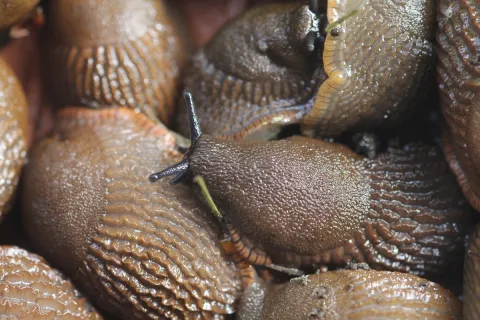
Tamp the soil gently and water generously. You can mulch the soil to conserve water, enrich the substrate and protect against slugs.
 Sowing
Once the risk of frost has passed, you can sow your Cucurbita moschata 'Waltham' seeds.
Butternut Waltham need space to grow. Separate seedlings by at least 1.5 m and rows by at least 2 m.
Loosen the soil to a depth of 20-30 cm. Incorporate well-decomposed manure or compost to enrich it. Remove weeds, stones and roots.
Butternut Waltham can be sown in stacks. Dig holes 1.5 to 2 meters apart and place 2 to 3 seeds per hole. Bury them under 2 cm of soil.
Water lightly after planting, then regularly. Keep the soil moist, but not soggy. Emergence takes about ten days.
Frequently asked questions
What to plant butternut and butternut squash with?
The best companion plants for butternut squash and butternuts are corn and beans. On the other hand, avoid planting butternut squash close to potatoes or other cucurbits (cucumbers, zucchinis), to limit competition and the spread of disease.
What's the difference between butternut squash and butternut?
Butternut is a variety of butternut squash(Cucurbita moschata), a term that covers several types of squash with similar characteristics.
When to harvest butternut squash?
Harvesting generally takes place between September and October, before the first frosts. Here are the signs of readiness:
- The skin is a uniform, hard color;
- The stem is dry and cracked;
- The squash sounds hollow when tapped.
Cut the squash with pruning shears, leaving a few centimetres of stalk to improve preservation.
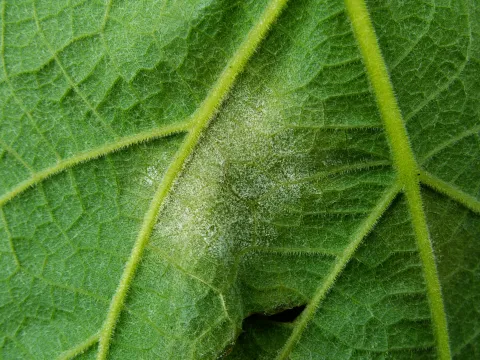
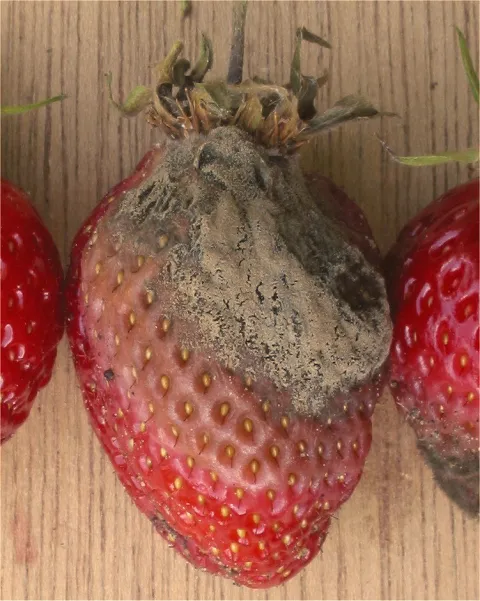
Diseases / Threats
Information
- Lifecycle
- Perennial
- Foliage
- Evergreen
- Exposure
- Sun
- Substrate
- Humus soil
- Planting method
- Open ground
- Categories
- VegetableHerbaceous
- Tags
- BeginnerEdible flowerEdible vegetable
- Origins
- Central AmericaSouth America
- Hardiness (USDA)
- 9a (-6.7°C ≤ T° < -3.9°C)
- Leaf color
- Light green
- Flower colors
- YellowOrange
- Fruit colors
- Pale yellowCream
Discover plants from the same family
Butternut squash
Cucurbita moschata
Butternut
Cucurbita moschata butternut
Zucchini
Cucurbita pepo
Non-running zucchini
Cucurbita pepo
Find out more
Find all our tips in the Monstera application