Zucchini (Cucurbita pepo), a vegetable with 1001 facets
Cucurbita pepo
- Exposure
- Sun
- Hardiness (USDA)
- 10b (1.7°C ≤ T° < 4.4°C)
- Lifecycle
- Annual
- Foliage
- Deciduous
- Family
- Cucurbitaceae
- Genus
- Cucurbita
- Species
- Squash Cucurbita pepo
Other names:Pepo vulgaris, Cucurbita citrullus, Cucumis pepo, Citrullus variegatus, Cucumis zapallo, Cucurbita aurantia, Cucurbita ceratoceras
While the whole world waited for the squash (Cucurbita pepo) to reach maturity, the Italians of the 18th century, no doubt in a hurry, came up with the idea of harvesting it young. The zucchini was born!
How to recognize zucchini (Cucurbita pepo)
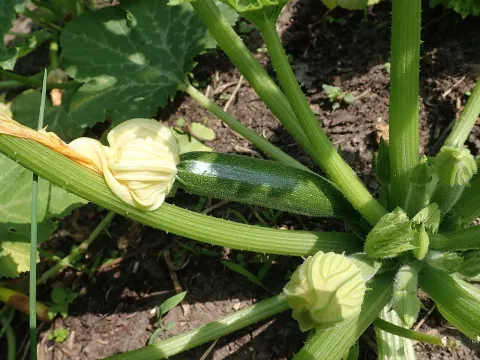
The zucchini (Cucurbita pepo) is a man-bred vegetable plant native to Mexico. It generally takes the form of a bushy, bushy plant. Most varieties are no more than a metre high, but some develop creeping stems that can grow to over two metres.
The large, dark-green, slightly hairy leaves are divided into five to seven more or less pronounced lobes.
The orange-yellow flowers are easily recognizable. Funnel-shaped with five petals, they appear in two types on the same plant:
- Male flowers, borne on a long, slender stem;
- Female flowers, recognizable by the small swelling at their base, the future fruit.
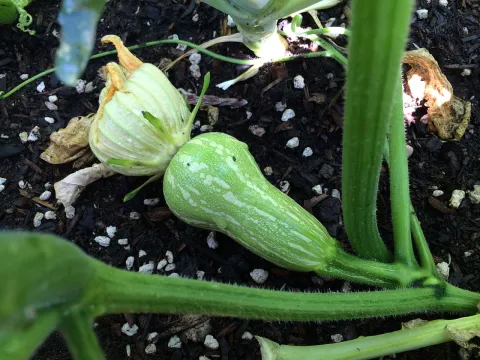
It's these female flowers that give birth to zucchinis. Their appearance varies greatly from variety to variety. Zucchini can be long and cylindrical, sometimes up to 50 cm, or round and compact, less than 10 cm in diameter. And color is no exception! There are green, yellow, white and even silver-striped varieties.
The seeds are oval, flattened and white, with a protruding edge.
What are the different varieties of zucchini?
There are over 230 varieties of zucchini you can plant in the vegetable garden. There are
- The Zucchini coureusewith long stems, to be grown in the ground or in pots on a stake (longue de Nice, Tromba d'Albenga, Black Forest, etc.);
- The Non-running zucchini which can be grown in pots or in the ground without a stake (Ronde de Nice, Black Beauty, Gold Rush, etc.);
- Early zucchini, which can be harvested less than two months after sowing;
- Early zucchini, which can be harvested up to 90 days after sowing.
Is zucchini toxic?
Cultivated zucchinis are not toxic. You can eat both the fruit and the flowers.
However, some zucchinis may contain high concentrations of cucurbitacin, a naturally bitter and toxic substance. It causes digestive problems (nausea, vomiting) in both humans and animals. This phenomenon mainly concerns wild squash, but accidental hybridization in the vegetable garden can render a vegetable unfit for consumption. The right thing to do: taste a small piece of raw zucchini. If it tastes bitter, don't eat it.
Our care tips
Zucchinis produce fruit from April to November. Greedy for water and nutrients, they need to be watered and fertilized regularly.
 Watering
The floor should always be kept slightly damp. Don't let it dry out more than a centimeter.
Water at the base, taking care not to wet the foliage. Make two passes at five or ten-minute intervals to make sure your plant has had enough to drink.
 Fertilization
Zucchinis are greedy plants. Fertilize them to obtain an abundant harvest. You can use :
- A liquid fertilizer for vegetable plants;
- A natural fertilizer such as compost, nettle purin or manure.
 Prune
Prune
Prune your Cucurbita pepo as it grows to boost production.
Remove wilted and damaged leaves. Cut flush with the stem using clean, sharp pruning shears.
Prune stems that bear neither flowers nor fruit at the base. This allows the plant to concentrate on the others.
 Planting
Your plant needs space. Don't wait to plant it! Do it as soon as you get it.
Zucchinis need space. Plant only one foot per square meter. Make sure you also grow several plants next to each other, to guarantee pollination and the appearance of flowers and fruit!
Work the soil deeply. Spade at least 45 cm and remove weeds, roots and stones.
Dig a hole three times as deep as the root ball. Place a layer of compost or manure at the bottom. Fill the hole with garden soil or potting compost. The roots of your Zucchini must not come into direct contact with the fertilizer. They could burn.
Soak the root ball of your Zucchini and place it in the ground. Bury the plant up to the base of the first leaves.
Water generously and mulch the soil to conserve water and protect against slugs.
 Sowing
Once the risk of frost has passed, you can sow your Cucurbita pepo seeds.
Let one or two fruits ripen. Open them to harvest the seeds.
Please note that only seeds from non-F1 varieties will produce new plants. F1 varieties are sterile.
Fill pots with potting soil. Place a seed from zucchini in each pot. Cover with one or two centimetres of soil and water.
Zucchinis are light and frost-hardy. Keep them in a sheltered, bright place.
Frequently asked questions
Which vegetables should not be placed next to zucchini?
Zucchini is a greedy and expansive plant, which doesn't lend itself to every combination. Certain vegetables can stunt its growth or encourage disease.
What to avoid near zucchini
- Other cucurbits (cucumber, melon, pumpkin, squash): they attract the same pests and increase the risk of disease.
- Potatoes: strong competition for nutrients and soil.
- Cabbage: high nutrient requirements and sometimes incompatible development.
- Fennel: an allelopathic plant that disrupts the growth of its neighbors.
Conversely, zucchinis enjoy the company of beans, peas, lettuces, radishes or corn.
Is zucchini a fruit or a vegetable?
Botanically speaking, zucchini is a fruit, as it develops from the flower and contains seeds. On the other hand, in the kitchen and vegetable garden, it is considered a vegetable, as it is eaten in savory dishes (gratins, tarts, ratatouille, tian) and is part of the classic vegetable crops.
Why doesn't my zucchini plant produce zucchini?
A zucchini plant that flowers without producing fruit is a common problem, especially at the start of the season. There are several possible causes:
- Lack of pollination: male and female flowers are not sufficiently pollinated, especially when insect numbers are low.
- Irregular watering: water stress prevents fruit formation.
- Soil too poor or unbalanced: excess nitrogen favours leaves to the detriment of zucchinis.
- Young plant: at the start of growth, the plant often produces male flowers first.
Diseases / Threats
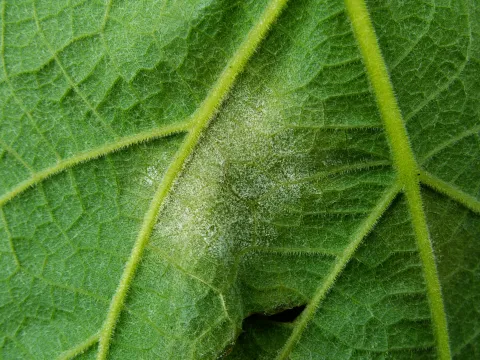
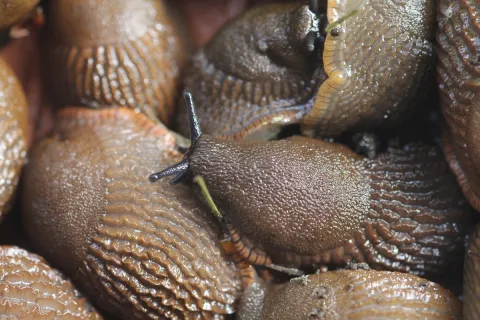
Information
- Lifecycle
- Annual
- Foliage
- Deciduous
- Exposure
- Sun
- Substrate
- Humus soil
- Planting methods
- Open groundIn potsIn tubs
- Categories
- VegetableHerbaceous
- Tags
- BeginnerFritillaryEdible flowerEdible vegetable
- Origin
- North America
- Hardiness (USDA)
- 10b (1.7°C ≤ T° < 4.4°C)
- Leaf color
- Dark green
- Flower colors
- YellowOrange
- Fruit colors
- Dark greenLight greenWhiteYellowPale yellow
Discover plants from the same family
Non-running zucchini
Cucurbita pepo
Zucchini coureuse
Cucurbita pepo
Pumpkin
Cucurbita maxima
Pumpkin
Cucurbita maxima
Find all our tips in the Monstera application