Mandarin tree, the fruit tree turned ornamental shrub
Citrus reticulata
- Exposures
- Sun, Half-shade
- Hardiness (USDA)
- 8b (-9.4°C ≤ T° < -6.7°C)
- Lifecycle
- Perennial
- Foliage
- Evergreen
- Family
- Rutaceae
- Genus
- Citrus
- Species
- Mandarin Citrus reticulata
Other name:Citrus deliciosa
The mandarin tree, Citrus reticulata, takes its name from the color of its fruit, similar to that of the silk robes worn by high-ranking officials known as mandarins. Cultivated in China, Vietnam and the Philippines for centuries, it wasn't until the early 19th century that the Portuguese introduced this variety of the Rutaceae family to Europe. Although the mandarin tree is gradually being replaced by clementine in orchards, it remains a highly appreciated ornamental shrub.
How to recognize the mandarin tree, Citrus reticulata?
The mandarin tree, Citrus reticula, is a compact shrub as wide as it is tall. When fully mature, it can grow to between three and five meters in all directions. The crown is ball-shaped. Highly branched, it is made up of slightly thorny branches.
The branches are covered with evergreen foliage. The smooth, lanceolate, alternate leaves are four to eight centimetres long. When crumpled, the leaf blades give off a tangy scent.
In mild climates, particularly around the Mediterranean, Citrus reticulata blooms in winter. Elsewhere, you'll have to wait until spring to see the two- to four-centimetre-long white flowers. Their fragrance attracts pollinators.
The fruit of the mandarin tree resembles that of the orange tree, only smaller. Mandarins are orange spheres, flattened at the tip, five to eight centimetres in diameter. Each one is divided into quarters and contains numerous seeds. This characteristic has earned them the dislike of gourmands, who prefer clementines.
Unlike other citrus fruits, mandarin flesh is not acidic. Sweet and fragrant, it can be eaten unprepared or used to make desserts and savoury dishes. The peel and skin can also be processed to make juices and liqueurs. Rich in vitamin C, the fruit is also said to have antiseptic and tonic properties.
Our care tips
Maintaining a Citrus reticulata is not difficult. Above all, you need to protect it from frost in winter and provide it with the nutrients it needs to grow. With the right potting soil and regular fertilizing, you'll soon be enjoying your own citrus fruits.
The mandarin trees citrus trees need regular watering all year round. During hot spells, water early in the morning or in the evening. Water evaporates less quickly, and your shrub benefits from it for longer.
 Watering
Water your Mandarin orange tree when the soil surface is at least three centimetres dry.
Use non-calcareous water at room temperature, such as rainwater.
After 20 minutes, empty the planter or saucer. Stagnant water can rot the roots.
 Repotting
Every year in the spring, repot your Citrus reticulata to give it more space.
When roots are sticking out of the pot or visible on the surface, it's time to repot!
To prepare your Citrus reticulata for repotting, soak the root ball. Then gently loosen the root ball.
Choose a terracotta pot or a wooden planter. Both materials promote water evaporation and reduce the risks associated with excessive watering. Make sure the container has drainage holes to allow water to drain.
Place a layer of clay pellets or gravel at the bottom to aid drainage.
Fill the rest with a rich substrate, such as a special citrus potting mix or general-purpose potting mix. You can make your own mix using:
- one-third potting mix;
- one-third garden soil;
- pozzolan.
Place your shrub in the center. The top of the root ball should be two centimeters below the rim of the pot. Fill in with substrate and firm it down to remove air pockets. When planting, be sure not to bury the root collar.
 Fertilization
To promote the growth of your Citrus reticulata, apply fertilizer in spring and summer.
The mandarin trees are greedy plants. They need to be fertilized. Feed yours with a special liquid or granulated citrus fertilizer.
 Cleaning
Dust prevents the plant from photosynthesizing. Clean the leaves of your Mandarin orange tree with a soft, clean cloth.
 Harvest
ing takes place when the fruit has taken on its final color and can be easily detached from the branch.
 Prune
Size is not essential. It only helps to control shape and development and improves fruiting. When pruning, always use clean, sharp pruning shears.
Citrus trees flower and fruit on the year's wood. To maintain the compact, rounded shape of your shrub, remove dead branches and shoots growing along the trunk. You can also aerate the center by removing some shoots that have already borne fruit in previous years.
If you want to improve your harvest, you can also carry out a fruiting pruning operation: one month after the appearance of a new shoot, prune it back to a height of 20 centimetres.
 Pinch
Pinch your Citrus reticulata during its growing season.
Pinch to encourage branching. When new leaves appear, pinch them between your fingers. Snip the leaf with your fingernails.
 Planting
When the risk of frost has passed, it's time to plant.
Find them a place sheltered from the wind and isolated from other plants. Citrus plants have shallow roots and don't like to share their space.
Dig a hole 70 centimetres wide and 1 metre in diameter. While you're at it, soak the root ball.
Plant the plant in the middle, with the top of the rootball level with the ground. Take care not to bury the collar.
The mandarin trees plants thrive in light, well-drained, rich soil. When filling in, add potting soil or citrus soil to your garden soil. Tamp and water.
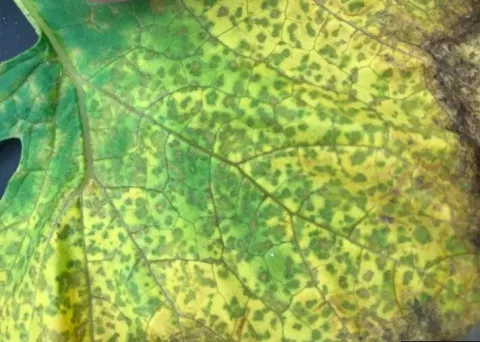
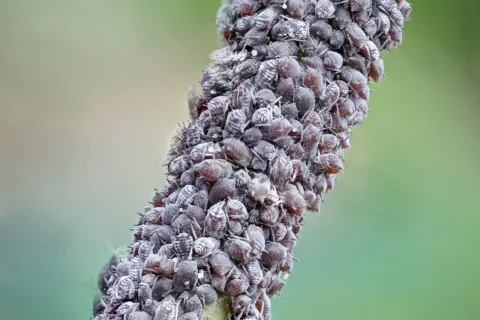
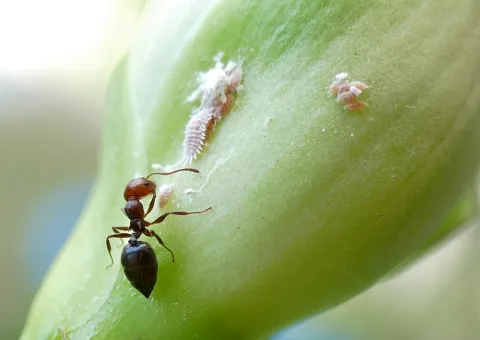
Diseases / Threats

Information
- Lifecycle
- Perennial
- Foliage
- Evergreen
- Exposures
- SunHalf-shade
- Substrate
- Humus soil
- Planting methods
- Open groundIn potsIn tubs
- Categories
- ShrubFruit tree
- Tag
- Edible fruit
- Origins
- East AsiaSoutheast Asia
- Hardiness (USDA)
- 8b (-9.4°C ≤ T° < -6.7°C)
- Leaf color
- Dark green
- Flower color
- White
- Fruit color
- Orange
Discover plants from the same family



Find all our tips in the Monstera application








