Citrus medica, the citron tree with dented fruit
Citrus medica
- Exposure
- Sun
- Hardiness (USDA)
- 9b (-3.9°C ≤ T° < -1.1°C)
- Lifecycle
- Perennial
- Foliage
- Evergreen
- Family
- Rutaceae
- Genus
- Citrus
- Species
- Citron tree Citrus medica
Don't judge by appearances! Although its fruits, with their bumps and thick rind, look tough, the Citrus medica is actually quite sensitive. Although the citron tree originates from Nepal and Myanmar, this citrus fruit from the Rutaceae family cannot tolerate either cold or extreme heat.
How can you recognize the citron tree, Citrus medica?
Citrus medica is a shrub that, when planted in the ground, reaches four meters in height and two meters in spread. When grown in a pot, the citron tree retains its irregular, bushy growth habit without exceeding two meters in height.
The trunk and branches have gray bark. However, only the young shoots bear thorns in the leaf axils.
Lanceolate or elongated, the leaves can grow up to 20 centimeters long. The leaf blades are a slightly glossy green with serrated edges.
In late spring, purplish-pink buds appear. These then give rise to white, star-shaped flowers. Each flower has five petals and can have up to 60 stamens! The blossoms have the characteristic sweet scent of citrus fruits.
While the flowers resemble those of Citrus x microcarpa (Citrus x microcarpa), the fruits are quite different. The citron measures between 10 and 20 centimeters long. Its very thick, fragrant skin changes from green to orange-yellow as it ripens. It is irregular, rough, and bumpy. The shape of the citron varies depending on the variety. In the standard species, the fruit is oval. In contrast, in Citrus medica digitate, known as the Buddha's hand, the fruit is segmented and resembles a hand or an octopus.
Citrus medica is not toxic. The flesh of the citron is even edible, although it is not highly prized. Pale yellow or greenish in color, it is tart and not very juicy. Cooks, however, love its zest, which is fragrant and rich in flavor.
Our care tips
Citrus medica is one of the few citrus fruits that can be grown indoors. In summer, however, it can be enjoyed on a terrace or balcony to soak up the sun.
 Watering
Allow the substrate to dry on the surface (at least three centimetres) between waterings. Water the root ball of your Citrus medica with non-calcareous water at room temperature.
Don't forget to empty any stagnant water from the dish or pot. It will rot the roots.
 Misting
Citrus medica come from tropical regions. They appreciate high humidity. To recreate it, spray the foliage with non-calcareous water at room temperature.
 Repotting
Every year in the spring, repot your Citrus medica to give it more space.
When roots are sticking out of the pot or visible on the surface, it's time to repot!
To prepare your Citrus medica for repotting, soak the root ball. Then gently loosen the root ball.
Choose a terracotta pot or a wooden planter. Both materials promote water evaporation and reduce the risks associated with excessive watering. Make sure the container has drainage holes to allow water to drain.
Place a layer of clay pellets or gravel at the bottom to aid drainage.
Fill the rest with a rich substrate, such as a special citrus potting mix or general-purpose potting mix. You can make your own mix using:
- one-third potting mix;
- one-third garden soil;
- pozzolan.
Place your shrub in the center. The top of the root ball should be two centimeters below the rim of the pot. Fill in with substrate and firm it down to remove air pockets. When planting, be sure not to bury the root collar.
 Fertilization
To promote the growth of your Citrus medica, apply fertilizer in spring and summer.
Citrus medica are greedy plants. They need to be fertilized. Feed yours with a special liquid or granulated citrus fertilizer.
 Cleaning
Clean the leaves with a clean wet sponge. This removes dust and improves photosynthesis. It's also a way of preventing mite infestations.
 Prune
Size is not essential. It only helps to control shape and development and improves fruiting. When pruning, always use clean, sharp pruning shears.
Citrus trees flower and fruit on the year's wood. To maintain the compact, rounded shape of your shrub, remove dead branches and shoots growing along the trunk. You can also aerate the center by removing some shoots that have already borne fruit in previous years.
If you want to improve your harvest, you can also carry out a fruiting pruning operation: one month after the appearance of a new shoot, prune it back to a height of 20 centimetres.
 Pinch
Pinch your Citrus medica during its growing season.
To give your plant a compact habit, pinch back young shoots. This improves branching.
 Planting
When the risk of frost has passed, it's time to plant.
Find them a place sheltered from the wind and isolated from other plants. Citrus plants have shallow roots and don't like to share their space.
Dig a hole 70 centimetres wide and 1 metre in diameter. While you're at it, soak the root ball.
Plant the plant in the middle, with the top of the rootball level with the ground. Take care not to bury the collar.
Citrus medica plants thrive in light, well-drained, rich soil. When filling in, add potting soil or citrus soil to your garden soil. Tamp and water.
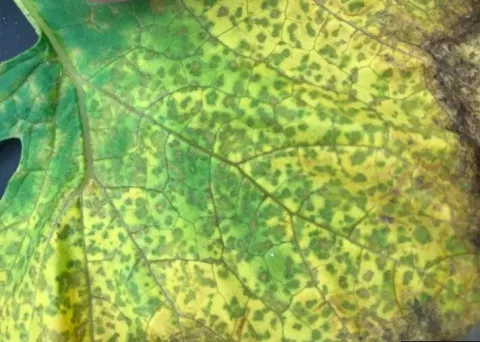
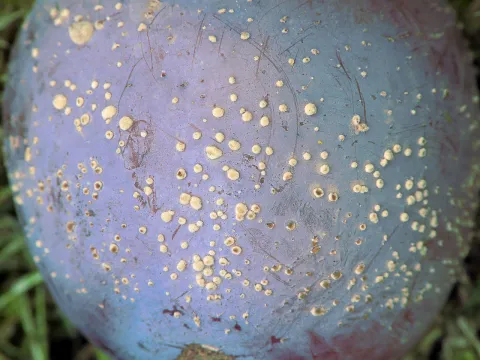
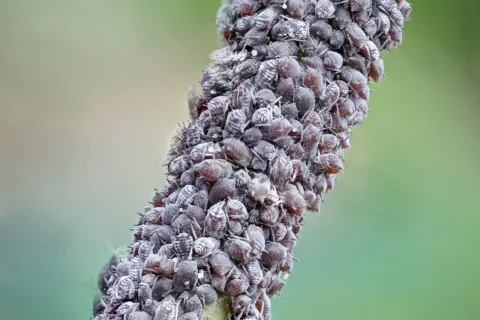
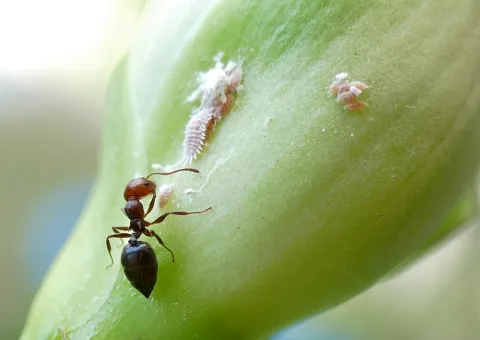
Diseases / Threats
Information
- Lifecycle
- Perennial
- Foliage
- Evergreen
- Exposure
- Sun
- Substrate
- Humus soil
- Planting methods
- Open groundIn potsIn tubs
- Categories
- ShrubFruit tree
- Tags
- Edible fruitFlowery
- Origin
- South Asia
- Hardiness (USDA)
- 9b (-3.9°C ≤ T° < -1.1°C)
- Leaf color
- Dark green
- Flower color
- White
- Fruit colors
- Light greenYellowOrange
Discover plants from the same family
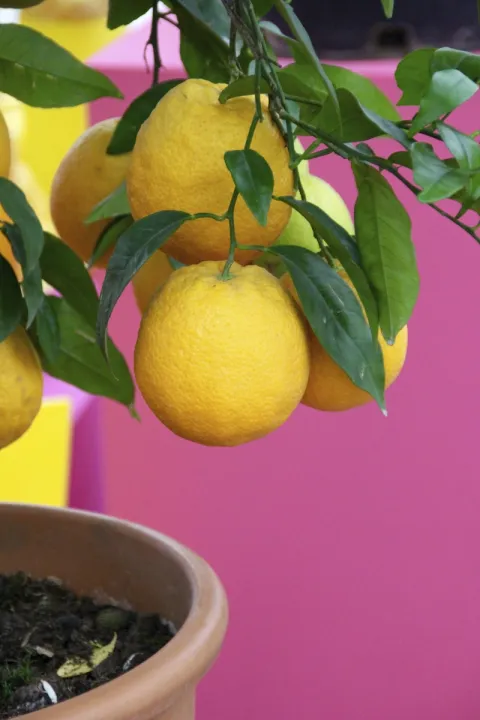
Lemon tree
Citrus x limon

Clementine tree
Citrus x clementina
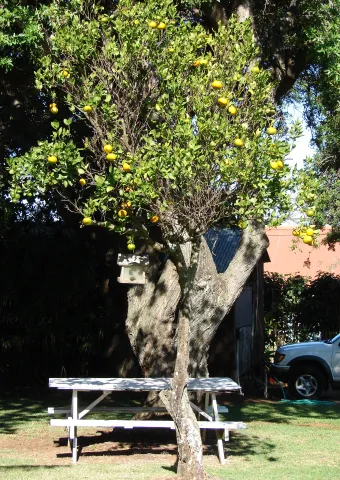
Mandarin orange tree
Citrus reticulata
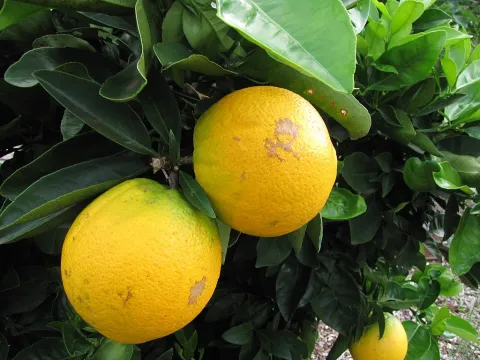
Orange tree
Citrus sinensis
Find out more
Find all our tips in the Monstera application