Citrus hystrix, an original citrus fruit with plenty of kick
Citrus hystrix
- Exposure
- Sun
- Hardiness (USDA)
- 9b (-3.9°C ≤ T° < -1.1°C)
- Lifecycle
- Perennial
- Foliage
- Evergreen
- Family
- Rutaceae
- Genus
- Citrus
- Species
- Combava Citrus hystrix
Other names:Citrus × aurantium hystrix, Citrus echinata
When European explorers landed on the island of Sumbawa in Indonesia, they discovered a curious citrus fruit there. More comfortable with a compass and a sextant than with foreign languages, they mispronounced the name of the place and dubbed it “Combava.” Botanists, being more educated and pragmatic, renamed this shrub of the Rutaceae family Citrus hystrix. Why? Because in Latin, hystrix means “spiny.”
How can you recognize combava, Citrus hystrix?
Citrus hystrix is a bushy shrub. It can grow up to six meters tall and three meters wide.
Like other citrus trees, the combava has a short trunk. It supports slender branches adorned with thorns. These thorns help protect the foliage from herbivorous predators.
The oval, bright green leaves measure between eight and ten centimeters long. They feature a winged petiole that is at least as long as the leaf itself! But that's not their only distinctive feature. They also give off a sweet, fragrant scent.
The scent of the flowers is even more pronounced. White with a hint of pink, they have only four or five petals but bear about twenty yellow stamens. Rich in nectar, they attract pollinating insects and birds.
The fruit, also known as combava, is a sphere four to six centimeters in diameter with a thick, bumpy skin. The dark green peel turns yellow as the citrus fruit ripens.
Citrus × floridana shrub, like Citrus × floridana and other citrus fruits, is not toxic and is not grown solely for its unique appearance. Its fruit is consumed in Asia, Réunion, and Madagascar. Some people even add Citrus hystrix leaves to their dishes. Their pungent, spicy aroma is said to be similar to lemongrass.
Our care tips
Citrus hystrix is one of the few citrus fruits that can be grown indoors. In summer, however, it can be enjoyed on a terrace or balcony to soak up the sun.
 Watering
Citrus hystrix likes humidity, but not at root level. Water only when the rootball has dried to a depth of two or three centimeters.
Use non-calcareous water, such as rainwater, at room temperature. If you've placed your houseplant on a dish, empty the stagnant water each time it appears.
 Misting
Citrus hystrix love humidity. Spray their foliage to increase humidity and combat pest invasion.
 Repotting
In spring, transfer your Citrus hystrix to a larger pot, so that it can continue to grow.
When roots are sticking out of the pot or visible on the surface, it's time to repot!
To prepare your Citrus hystrix for repotting, soak the root ball. Then gently loosen the root ball.
Choose a terracotta pot or a wooden planter. Both materials promote water evaporation and reduce the risks associated with excessive watering. Make sure the container has drainage holes to allow water to drain.
Place a layer of clay pellets or gravel at the bottom to aid drainage.
Fill the rest with a rich substrate, such as a special citrus potting mix or general-purpose potting mix. You can make your own mix using:
- one-third potting mix;
- one-third garden soil;
- pozzolan.
Place your shrub in the center. The top of the root ball should be two centimeters below the rim of the pot. Fill in with substrate and firm it down to remove air pockets. When planting, be sure not to bury the root collar.
 Fertilization
You can stimulate the development of your plant during its growth phase, in spring and summer, with fertilizer.
Citrus hystrix are greedy plants. They need to be fertilized. Feed yours with a special liquid or granulated citrus fertilizer.
 Cleaning
The dust that accumulates on the leaves of your Citrus hystrix slows down the photosynthesis process. To enable it to thrive, dust regularly and gently.
To remove dust, wipe both sides of the leaf with a soft, slightly damp cloth. Support the larger ones with your other hand to prevent damage.
If your plant looks dirty, you can add some black soap to the water to moisten your cloth.
To remove dust, wipe both sides of the leaf with a soft, slightly damp cloth. Support the larger ones with your other hand to prevent damage.
If your plant looks dirty, you can add some black soap to the water to moisten your cloth.
 Prune
Size is not essential. It only helps to control shape and development and improves fruiting. When pruning, always use clean, sharp pruning shears.
Citrus trees flower and fruit on the year's wood. To maintain the compact, rounded shape of your shrub, remove dead branches and shoots growing along the trunk. You can also aerate the center by removing some shoots that have already borne fruit in previous years.
If you want to improve your harvest, you can also carry out a fruiting pruning operation: one month after the appearance of a new shoot, prune it back to a height of 20 centimetres.
 Pinch
Pinch your Citrus hystrix during its growing season.
To encourage stem branching, pinch off the terminal buds.
 Planting
Once the last spring frosts have passed, you can plant.
Find them a place sheltered from the wind and isolated from other plants. Citrus plants have shallow roots and don't like to share their space.
Dig a hole 70 centimetres wide and 1 metre in diameter. While you're at it, soak the root ball.
Plant the plant in the middle, with the top of the rootball level with the ground. Take care not to bury the collar.
Citrus hystrix plants thrive in light, well-drained, rich soil. When filling in, add potting soil or citrus soil to your garden soil. Tamp and water.
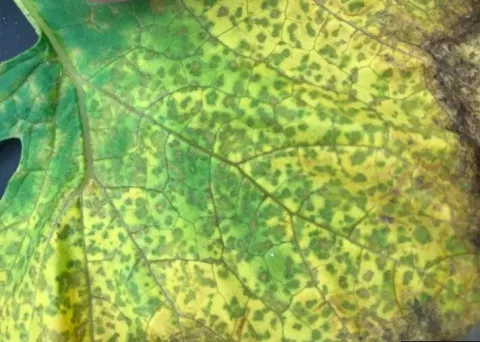
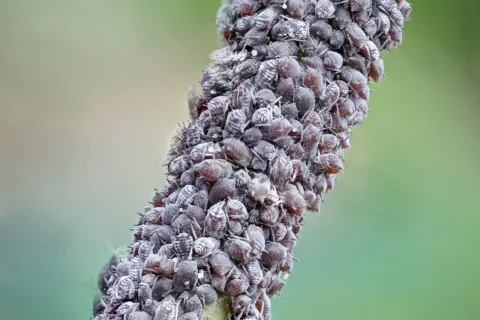
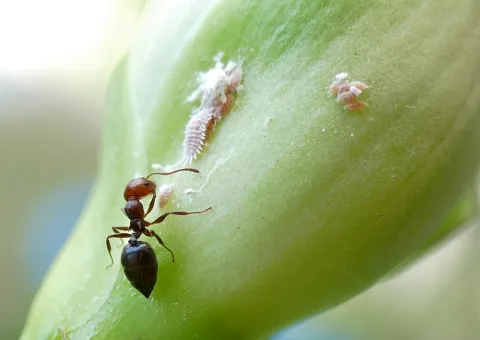
Diseases / Threats

Information
- Lifecycle
- Perennial
- Foliage
- Evergreen
- Exposure
- Sun
- Substrate
- Humus soil
- Planting methods
- Open groundIn potsIn tubs
- Categories
- ShrubFruit tree
- Tags
- Edible fruitFlowery
- Origin
- Southeast Asia
- Hardiness (USDA)
- 9b (-3.9°C ≤ T° < -1.1°C)
- Leaf color
- Light green
- Flower colors
- WhitePale pink
- Fruit colors
- Light greenYellow
Discover plants from the same family

Lemon tree
Citrus x limon
Clementine tree
Citrus x clementina
Mandarin orange tree
Citrus reticulata

Orange tree
Citrus sinensis
Find out more
Find all our tips in the Monstera application








