Our growing guides


167
Results
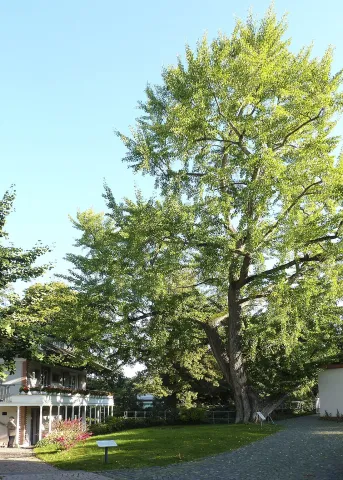
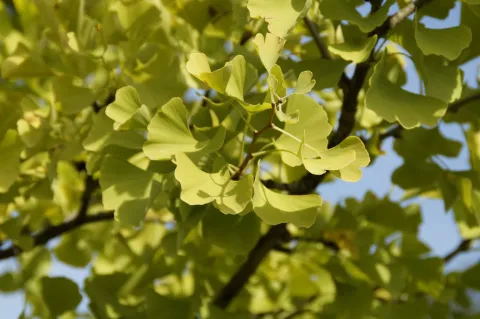
Ginkgo biloba 'Blagon
Ginkgo biloba 'Blagon'

Schefflera actinophylla
Heptapleurum actinophyllum
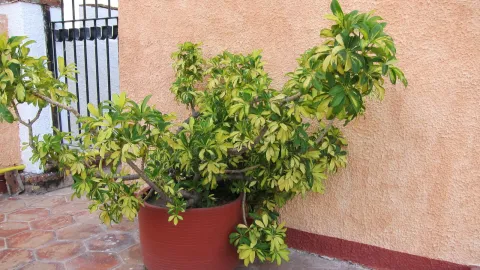
Schefflera arboricola
Heptapleurum arboricola

Chinese hibiscus
Hibiscus rosa-sinensis

Rose of Sharon
Hibiscus syriacus


Miniature wax flower
Hoya bella

Hydrangea
Hydrangea macrophylla

Hydrangea 'Madame Émile Mouillère'
Hydrangea macrophylla 'Madame Émile Mouillère'

Hydrangea 'Endless Summer'
Hydrangea macrophylla ‘Endless Summer’

Hydrangea ‘Mariesii Lilacina’
Hydrangea macrophylla ‘Mariesii lilacina’
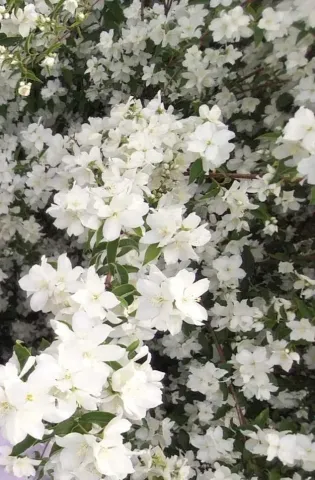
Spanish jasmine
Jasminum grandiflorum
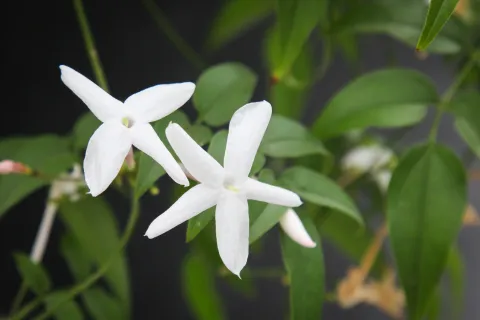
Common jasmine
Jasminum officinale
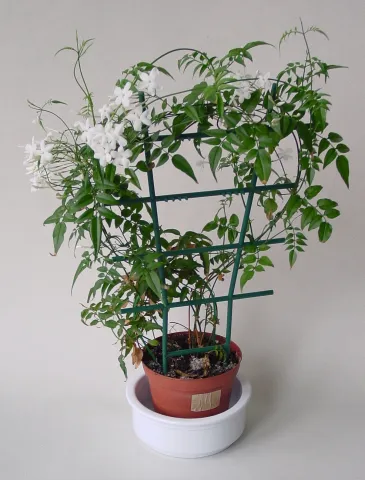
Pink jasmine
Jasminum polyanthum

Arabian Jasmine
Jasminum sambac
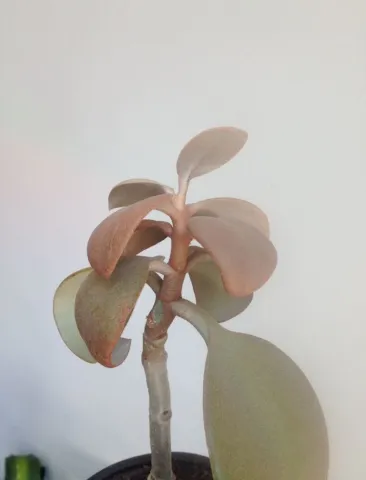
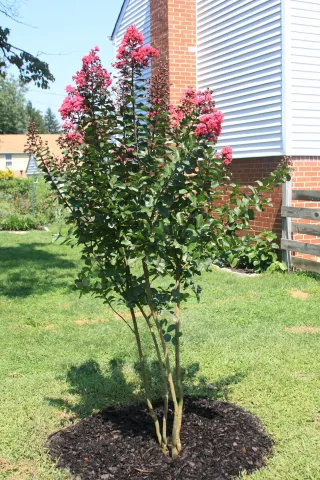
Indian lilac
Lagerstroemia indica
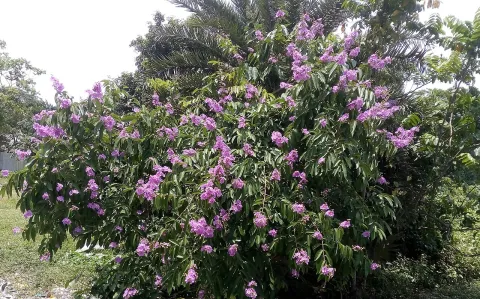
Summer lilac
Lagerstroemia speciosa

Bay laurel
Laurus nobilis
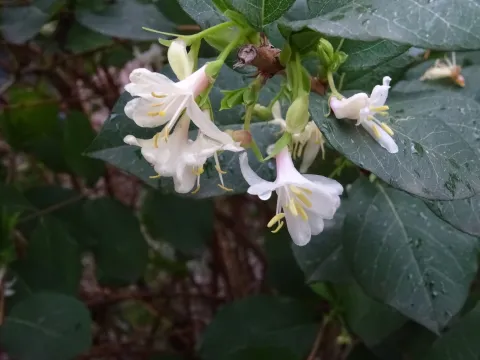
Winter honeysuckle
Lonicera fragrantissima
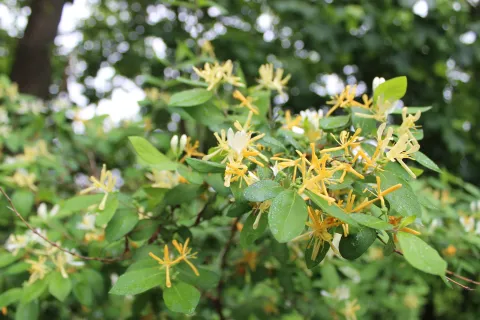
Japanese honeysuckle
Lonicera japonica
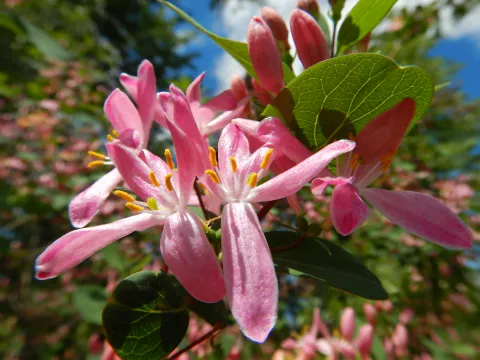
Tartarian honeysuckle
Lonicera tatarica
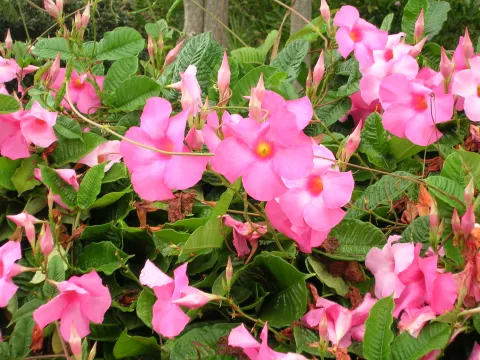
Mandevilla amabilis
Mandevilla × amabilis
Shrubs
The world of botany is a well-ordered universe. Plants are organized, classified, and sorted… So there's no way we're going to mix up trees, shrubs, and small shrubs! If you want to impress people (or come across as a pro in the garden center aisles), here's how to tell them apart.
The Differences Between a Shrub, a Tree, and a Small Tree
Shrubs are woody plants. They have a trunk and a crown, which consists of all the branches. When fully grown, a shrub measures between four and seven meters.
Its size sets it apart from a tree. When mature, trees exceed seven meters in height.
Shrubs differ from small shrubs in their morphology. The former has a bare trunk or one with few branches at the base. The latter has no trunk and branches out from the base.
The lifespan of a shrub varies by variety (there are more than 1,500). The most fragile survive for ten years, while the hardiest can live for fifty. Hawthorn, deciduous magnolia, and palm laurel can live for over a century!
Which shrubs should you plant?
Thanks to their compact size, shrubs can be planted in the ground, in pots, or in planters. In addition to adding structure and depth to a space, they can be very useful.
To create a hedge, choose evergreen, fast-growing shrubs. Oleander, Abelia grandiflora, privet, St. John's wort, or Photinia will shield you from prying eyes.
Do you enjoy seeing your garden burst with color in the summer or spring? Plant a flowering shrub such as hibiscus, bougainvillea, lilac, hydrangea, forsythia, or ceanothus. With a buddleia—also known as the butterfly bush—you'll attract swallowtails, blue lycaenids, and other blue morpho butterflies. They'll help pollinate your other plants.
You can also create an orchard with fruit-bearing shrubs. With species like the arbutus, blackcurrant, apricot, or plum, you'll have plenty to make pies and jams when the weather is nice. If the climate allows, why not add a citrus tree—a lemon or clementine tree, for example? They'll provide you with fresh fruit, even in winter.
Some shrubs native to tropical regions are well-suited for growing in pots and indoors. Their height and lifespan will be reduced, but with proper care, you can add a touch of greenery to your decor for many years to come. If you'd like a shrub in your living room, consider a calamondin, kumquat, or frangipani. You'll also enjoy their delicate, fragrant blooms. While citrus flowers are typically white, Plumeria blooms come in white, yellow, and pink. It's up to you to decide which one goes best with your sofa!








