Hoya bella, a porcelain plant in miniature
Hoya bella
- Exposure
- Half-shade
- Hardiness (USDA)
- 11a (4.4°C ≤ T° < 7.2°C)
- Lifecycle
- Perennial
- Foliage
- Evergreen
- Family
- Apocynaceae
- Genus
- Hoya
- Species
- Miniature wax flower Hoya bella
Hoya bella is an epiphytic shrub in the Apocynaceae family. Smaller than porcelain flower, this plant, native to India, Thailand and Burma, adapts very well to our interiors. Its small size does not prevent the miniature porcelain plant from offering an elegant and delicate bloom.
How to recognize Hoya bella, the miniature porcelain plant?
Hoya bella is an evergreen perennial with a drooping habit. In its natural habitat, the miniature porcelain plant measures up to one meter. In our latitudes, its slender, supple vines rarely exceed 70 centimetres.
Four-centimeter-long, two-centimeter-wide lanceolate leaves grow from branched stems. Opposite each other, they lie flat on either side of the stem. Green and leathery, they lack the fleshy, heart-shaped leaves of hoya kerrii.
Flowering occurs in the flower axils in late spring. The flat, pendulous umbel inflorescence holds between seven and nine flowers. These white or pearly-pink velvet stars are topped by a purple crown. It houses the pistil and five stamens needed to produce the fragrant nectar. In nature, its function is to attract pollinators. Indoors, it enhances the plant's beauty with a delicate fragrance.
Like other porcelain plants, Hoya bella is harmless to both animals and humans. As well as being non-toxic, it is hardy and easy to grow.
Our care tips
Your Hoya bella is an easy-going plant. It won't mind if you forget to water it. But it does require patience. It may be several years before it develops new leaves or flowers.
 Watering
Let the soil dry out on the surface between waterings. Water your Miniature wax flower with non-hard water, such as collected rainwater. To avoid water stress, make sure the water is at room temperature.
If you use a saucer or a planter, remove any standing water from the bottom. It may cause the roots to rot.
 Misting
Your Hoya bella appreciates humidity. In addition to watering, mist its foliage with non-calcareous water at room temperature. Be careful to spray only the leaves and avoid the flowers!
 Repotting
In spring, transfer your Hoya bella to a larger pot, so that it can continue to grow.
Miniature Wax Flowers They need to be repotted only when their roots start to come out of the pot.
Choose a terracotta pot with drainage holes that is slightly larger than the previous one (about 5 centimeters); this will promote drainage.
Place a layer of clay pellets or gravel before adding a substrate suitable for succulents. You can also mix one-third sand into your substrate. Gently tamp down the soil to remove air pockets and replant your Miniature wax flower.
 Fertilization
You can stimulate the development of your plant during its growth phase, in spring and summer, with fertilizer.
Adding orchid fertilizer to watering water stimulates growth and flowering.
 Prune
Faded flowers fall off by themselves, so it's best not to pull them out. You risk damaging the peduncles and preventing the next bloom. The same goes for umbels: leave them alone. They can accommodate new flowers.
 Pinch
Pinch your Hoya bella during its growing season.
To keep your Hoya bella compact, pinch a bud. You'll create new branches.
 Taking cuttings
Cutting is carried out during the strong growth phase, generally in spring and early summer.
Using pruning shears or clean scissors, cut stems about ten centimeters long. Remove the leaves at the base.
Place your cutting in a glass filled with water at room temperature. Make sure the nodes are fully submerged; they are where the roots will grow.
Place the glass in a bright spot, but out of direct sunlight. Change the water regularly to keep it clear until roots appear.
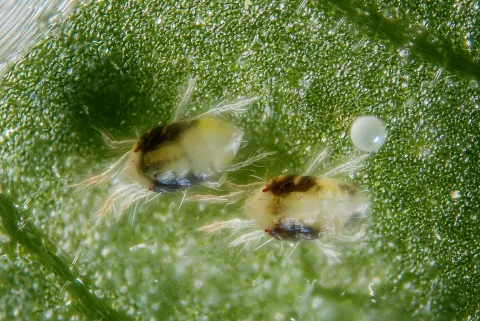
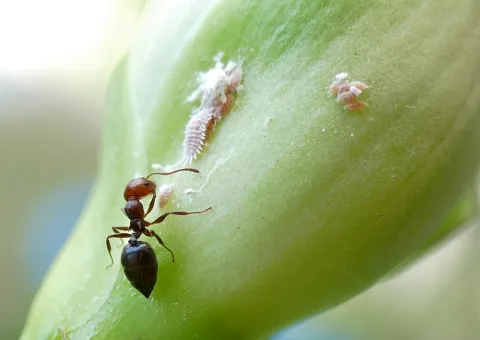
Diseases / Threats
Information
- Lifecycle
- Perennial
- Foliage
- Evergreen
- Exposure
- Half-shade
- Substrates
- Humus soilSandy soil
- Planting methods
- In potsIn tubsPlanter
- Categories
- ShrubFlowerySucculentHanging plants
- Tags
- BeginnerFlowery
- Origins
- South AsiaSoutheast Asia
- Hardiness (USDA)
- 11a (4.4°C ≤ T° < 7.2°C)
- Leaf color
- Dark green
- Flower colors
- WhitePale pink
Discover plants from the same family


Find out more
Find all our tips in the Monstera application








