Citrullus lanatus, the watermelon
Citrullus lanatus
- Exposure
- Sun
- Hardiness (USDA)
- 11b (7.2°C ≤ T° < 10°C)
- Lifecycle
- Annual
- Foliage
- Evergreen
- Family
- Cucurbitaceae
- Genus
- Citrullus
- Species
- Watermelon Citrullus lanatus
Other names:Citrullus battich var. lanatus, Citrullus vulgaris var. lanatus, Momordica lanata
A true symbol of summer, watermelon (Citrullus lanatus) is appreciated for its thirst-quenching, sweet flesh. This member of the Cucurbitaceae family, native to East Africa, comes in a wide variety of shapes, sizes and colors.
How to recognize watermelon (Citrullus lanatus)?
Watermelon (Citrullus lanatus) is a creeping annual plant. It doesn't grow taller than 70 cm. But its white-haired stems with tendrils can reach 10 m in length.
The oval, indented leaves have 3 to 5 lobes. Light green, they measure up to 20 cm in all directions.
Watermelons produce both male and female flowers on the same plant. Both are yellow and have five petals, but the female flowers are easily distinguishable: a small swelling at their base – the ovary – already heralds the future watermelon.
As is often the case with Cucurbitaceae, the shape of the fruit varies according to variety. Watermelons can :
- Weigh between 2 and 50 kilos;
- Be spherical or oblong;
- Have a very dark green or light green rind, dotted with patterns;
- Have pink, orange or yellow flesh;
- Up to 60 cm in diameter.
Contrary to popular belief, the seeds are not always black: they can also be white, brown or even missing in some hybrid varieties.
Which watermelon varieties to plant at home?
Select the varieties that best suit your growing conditions (space, climate) and tastes. For example, you could choose :
- Sugar Baby: early and productive Watermelon Sugar baby yields round, dark-green fruit weighing 2 to 4 kg, with very sweet flesh;
- Blacktail Mountain: early, it adapts to cool climates and cold nights;
- Mini Love F1: ultra-compact, it produces fruit weighing 2 kg, perfect for small gardens and balconies;
- orangeglo: a very vigorous old variety with bright orange flesh and a taste reminiscent of mango and papaya;
- Moon and Stars: with ruby-red flesh and dark green rind dotted with yellow spots;
- Janosik: a yellow-fleshed variety that is particularly hardy and resistant to slightly lower temperatures;
- Charleston Gray: elongated, large-caliber (7 to 12 kg), this variety is known for its high resistance to disease (fusariosis, anthracnose) and intense heat;
- Crimson Sweet: disease-resistant, it can be transported and stored well.
Is watermelon toxic?
Watermelon is not toxic. It is grown all over the world for its edible fruit. Rich in vitamins and antioxidants, the flesh is sweet and juicy.
Even the seeds are edible: once roasted, they make an excellent aperitif.
Our care tips
Watermelons like sun and warmth. If you live in a region with short, cool summers, place tiles at the foot of the plant to reflect the heat.
 Watering
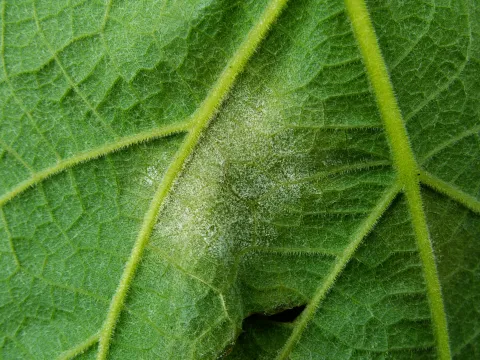
Watermelons like water. Don't let the soil dry out. Water at the base, without wetting the foliage, to prevent powdery mildew.
Use rainwater or tap water.
 Repotting
Watermelons need space. Get a perforated pot of at least 30 liters (40 cm deep by the same diameter). You can line the bottom with clay balls or gravel to optimize drainage.
Fill the pot with a rich substrate, such as potting soil for vegetable plants. You can even add a slow-release organic fertilizer.
If you've sown your seeds in biodegradable cups, plant your pot in the center.
If you've sown your seeds in plastic cups, water the clod of your Watermelon to keep it whole. Carefully remove the pot so as not to damage the roots and plant your seedling. Do not touch the roots, even if they are rolled up. They are very fragile and you could damage them.
Pack and water generously, without wetting the foliage.
You can use a stake to help your Citrullus lanatus climb and save space.
 Fertilization
To promote the growth of your Citrullus lanatus, apply fertilizer in spring and summer.
Fertilize your Watermelon to provide it with the necessary nutrients. You must adapt your fertilizer to its growth. Choose :
- A nitrogen-rich fertilizer (special vegetable fertilizer or nettle manure) at start-up;
- A fertilizer rich in potassium (tomato fertilizer or comfrey purin) as soon as the flowers appear.
 Prune
Prune
When the first fruits appear, prune your Watermelon.
Pinch off the end of the main stem withyour fingers or clean pruning shears. This action stops stem growth and encourages the growth of fruit already formed.
Remove any secondary stems that have no flowers or are crowding the plant.
Keep only 2 to 3 fruits per plant to allow them to develop properly.
 Pulling out
Once the plant has dried out completely, you can pull it out.
When the foliage turns yellow and the stem becomes brittle, this is a sign that the root system is no longer functioning. You can uproot the plant to make room for other crops.
Take the base of the main stem (the stalk) with your full hand. Use gentle circular movements to loosen the roots, then lift gently. If the soil is compact, use a fork. Push it about 15-20 cm from the stem and pry up to dislodge the root ball without breaking it.
Pick up any dead stems and leaves lying around to prevent spores and fungi from remaining in the soil.
 Planting
Dig a hole 2 to 3 times wider and deeper than the root ball. If planting several plants, space them at least 1.5 m apart. Place a handful of compost at the bottom of the hole.
Plant your Citrullus lanatus without burying the crown. Fill in with garden soil. Use potting soil for vegetable plants ifyour soil is poor. Tamp and water.
Watermelons need warmth. If temperatures are still cool, protect your plants with a tunnel or a veil.
 Sowing
Once the risk of frost has passed, you can sow your Citrullus lanatus seeds.
Sow your Citrullus lanatus seeds in pots. You can use plastic pots, but we advise you to choose biodegradable models. This way, you won't risk damaging the fragile roots during transplanting.
Fill your pots with sowing and planting compost or garden soil, topped up with a little compost.
Plant three seeds percup. Bury them under a centimetre of soil. Water lightly and keep the soil moist until the first leaves appear.
Frequently asked questions
Which vegetables shouldn't be planted next to watermelons?
Watermelons should not be planted near cucumbers, zucchinis and melons. These plants from the same family (cucurbits) attract the same diseases and pests, making your crop more vulnerable. What's more, they compete for nutrients and space. Avoid growing tomatoes and potatoes in close proximity, for the same reasons.
You can, however, combine it with corn, beans and basil.
When to harvest watermelon?
Watermelon is generally harvested between 80 and 100 days after sowing, depending on the variety. Several signs indicate that it is ripe:
- The tendril (small filament) near the fruit is dry;
- The skin is matt and hard;
- The watermelon is heavy;
- When tapped, the sound is muffled and deep.
How many fruits can you get from a watermelon plant?
In general, a watermelon plant produces 2 to 4 fruits. But the harvest depends on several factors:
- The variety grown ;
- Growing conditions;
- Size.
To obtain larger fruits, it is advisable to limit the number of watermelons per plant, keeping only the most vigorous.
How long can you keep watermelon?
Whole and uncut, watermelons keep for 1 to 2 weeks at room temperature, or a little longer in a cool place. In the fridge, it will keep for up to 3 weeks. A cut watermelon should be stored in a cool place, well protected (cling film or airtight box) and eaten within 3 to 5 days.
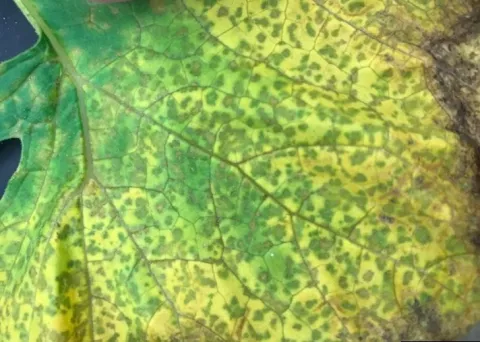
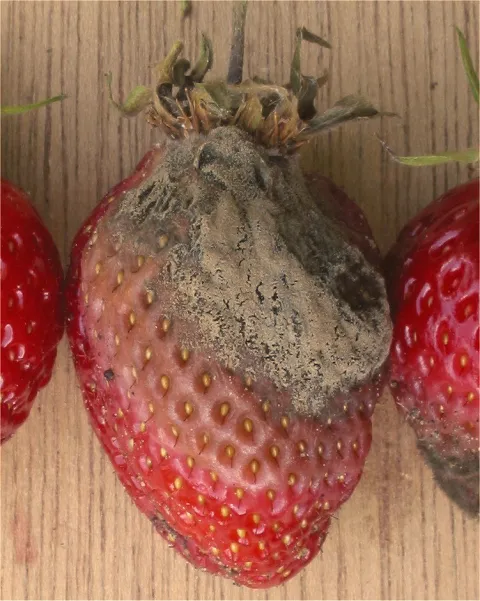
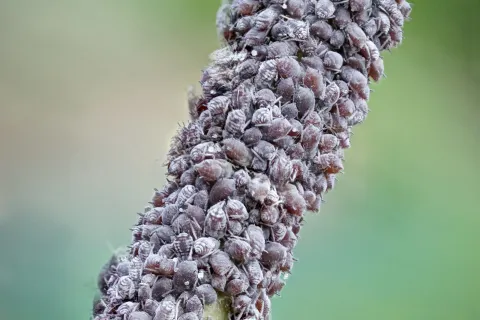
Diseases / Threats
Information
- Lifecycle
- Annual
- Foliage
- Evergreen
- Exposure
- Sun
- Substrate
- Humus soil
- Planting methods
- Open groundIn potsIn tubs
- Category
- Vegetable
- Tags
- Edible fruitCold-sensitiveLarge pot
- Origin
- East Africa
- Hardiness (USDA)
- 11b (7.2°C ≤ T° < 10°C)
- Leaf color
- Light green
- Flower color
- Yellow
- Fruit colors
- Dark greenLight greenRedPale green
Discover plants from the same family
Zucchini
Cucurbita pepo
Non-running zucchini
Cucurbita pepo
Zucchini coureuse
Cucurbita pepo
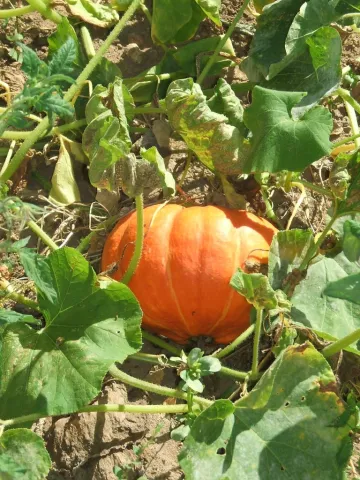
Pumpkin
Cucurbita maxima
Find all our tips in the Monstera application