Melon, Cucumis melo
Cucumis melo
- Exposure
- Sun
- Hardiness (USDA)
- 12a (10°C ≤ T° < 12.8°C)
- Lifecycle
- Annual
- Foliage
- Deciduous
- Family
- Cucurbitaceae
- Genus
- Cucumis
- Species
- Melon Cucumis melo
Other names:Cucumis deliciosus, Cucumis melo f. typicus, Melo sativus
While the flavor of the melon is well known, its origin is still debated. Cultivated since the IXᵉ century in Asia, the melon (Cucumis melo) is thought to have originated in East Africa, Asia or Australia. Today, this plant belonging to the Cucurbitaceae family is widely cultivated throughout the world, both in the vegetable garden and in professional crops.
How to recognize melons (Cucumis melo)?
Melons are annual herbaceous plants with a creeping or climbing habit. Its stems can reach up to three meters in length and are equipped with simple tendrils that enable it to cling to a support.
Its light-green leaves are rounded, sharply cut and composed of five to seven lobes. They are characteristic of plants in the Cucurbitaceae family.
The melon plant can bear :
- Either male and female flowers;
- Or both male and hermaphrodite flowers.
All flowers are yellow. Only female and hermaphrodite flowers bear fruit. They are easily recognized by the small swelling at the base of the flower, the future melon.
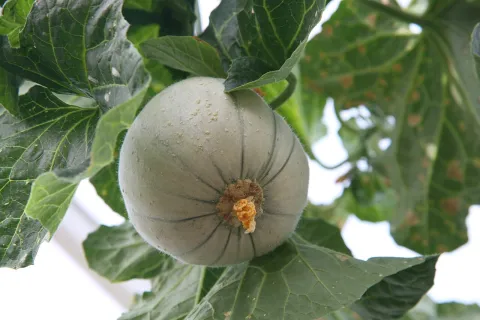
The fruit of the Cucumis melo, called a melon, is round or oval depending on the variety. Its size, color and appearance vary greatly. The skin can be green, white, yellow or orange, smooth, bumpy, embroidered or ribbed. The flesh of the melon also differs according to variety: it can be orange, yellow, white or greenish, more or less juicy and sweet.
Melon seeds are flat, elongated and cream to light beige in color. They are found in the center of the fruit, grouped together in a fibrous, juicy cavity.
What are the different melon varieties?
There are over a thousand varieties, hybrids and cultivars of melon, divided into several major groups. There are
- Fruit melons, sweet, eaten when ripe;
- Vegetable melons, harvested young and eaten like cucumbers;
- Perfumed melons, mainly decorative or fragrant.
The most popular fruit melons include :
- Cucumis melo cantalupensis Cantaloupe melon),
- Cucumis melo reticulatus Embroidered melon),
- Cucumis melo inodorus (long-life winter melons).
Here are some varieties commonly grown in the vegetable garden:
- Charentais melon very fragrant, with light green skin and orange flesh.
- Petit Gris de Rennes: an old, early variety, ideal for cool regions.
- Melon Galia: yellow-skinned, with sweet aromas reminiscent of banana and vanilla.
- Melon Piel de Sapo (toad skin): oval, rough, keeps for several weeks.
- Honeydew melon: very light skin and juicy flesh, perfect for fruit salads.
- cantaloupe melon: large, embroidered melon with pronounced ribs and warty skin.
- Canary melonwith yellow rind and sweet flesh;
- Melon Ogen: small, early melon, very sweet.
Is the melon toxic?
No, melons are not toxic and can be eaten without danger. However, its skin can be contaminated by soil, fertilizer, manure or pesticide residues when grown on the ground.
It is therefore important to clean the melon skin thoroughly before cutting, and to wash your hands after handling.
It is therefore important to clean the melon skin thoroughly before cutting, and to wash your hands after handling.
Our care tips
Melons like the sun. Move the fruit away from the foliage to let the light shine on them, so they'll be sweeter. You can also elevate them with a tile or stone to protect them from humidity.
 Watering
Melons like water. Don't let the soil dry out. Water at the base, without wetting the foliage, to prevent powdery mildew.
Use rainwater or tap water.
 Fertilization
Apply a potassium-rich fertilizer, such as a tomato fertilizer. Follow the manufacturer's instructions to avoid damaging the plant.
 Harvest
Harvest the fruit when it's ripe.
When the base of the petiole at fruit level cracks, you can harvest. Cut the stalk two or three centimetres from the fruit.
 Pulling out
Once the plant has dried out completely, you can pull it out.
When the foliage turns yellow and the stem becomes brittle, this is a sign that the root system is no longer functioning. You can uproot the plant to make room for other crops.
Take the base of the main stem (the stalk) with your full hand. Use gentle circular movements to loosen the roots, then lift gently. If the soil is compact, use a fork. Push it about 15-20 cm from the stem and pry up to dislodge the root ball without breaking it.
Pick up any dead stems and leaves lying around to prevent spores and fungi from remaining in the soil.
 Thinning out
Keep only one plant out of three, the most vigorous.
 Planting
When the risk of frost has passed, it's time to plant.
Choose a sunny location, sheltered from the wind. If you live in a rainy region, make a mound and plant your Melon at the top. This will protect the plant from excess water.
Dig a hole 15 centimetres deep and place compost or manure at the bottom to enrich the soil.
Water the rootball to keep it intact. The roots are fragile. Carefully remove the pot and avoid touching them.
Plant your Cucumis melo. The rootball should be flush with the soil. Fill in with garden soil and tamp gently. You can form a watering trough and mulch to retain moisture and prevent the spread of weeds.
Make an initial watering to help the plant take root. Water at the base, without wetting the foliage.
Pollination, which is necessary to obtain fruit, is easier between two different plants. Melons benefit from being planted at least in pairs, side by side, to optimize harvesting. However, keep them at least a metre apart to allow them to develop.
 Sowing
Once the risk of frost has passed, you can sow your Cucumis melo seeds.
Melons are greedy plants. Prepare the soil by adding manure or well-decomposed compost.
Melons can be sown in bunches.
- Dig a hole about ten centimetres deep.
- Fill it with sowing and planting soil.
- Bury three seeds under a centimetre of soil.
- Water lightly.
Water to keep the substrate moist until the first leaves appear.
Space your plantsat least one metre apart. Melons needs room to grow.
You can start seedlings indoors when the days get longer.
Get your own buckets. It's best to choose models made of biodegradable material (peat or coconut fiber). This way, you won't have to unstuff your Cucumis melo to transplant them into the ground: their roots are fragile.
Fill your cups with potting soil for seedlings and plantations. You can also use garden soil enriched with compost.
In each pot, plant three seeds and cover them with a centimetre of soil.
Water lightly, then regularly to keep the substrate moist until the first leaves appear.
Place your seedlings in a bright spot where the temperature exceeds 18°C, such as a greenhouse or veranda.
Frequently asked questions
How many melons does a melon plant produce?
The average melon plant produces between three and six melons, depending on variety and growing conditions. To obtain good-sized, sweet fruit, we recommend limiting the number of melons per plant. Cut off certain flowers or young fruit to concentrate the plant's energy.
Can I sow melon seeds?
Yes, you can sow melon seeds in the ground or in a bucket. But be careful! Only seeds from non-hybrid (non-F1) varieties can germinate and produce a plant.
What's the difference between a male and a female melon?
There is no such thing as a male or female melon. Sex refers only to the flowers of the melon plant, which are male, female or hermaphrodite. All are yellow, but female and hermaphrodite flowers have a bulge at their base, which gives rise to the fruit.
What vegetable shouldn't be planted next to a melon?
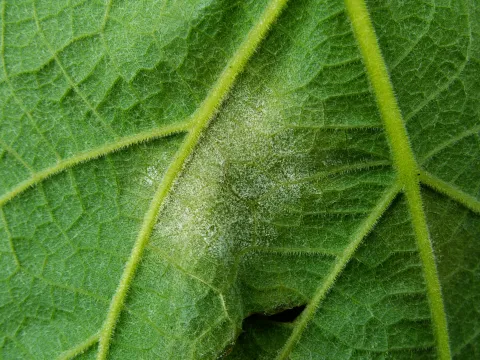
We advise against planting melons next to squash, cucumbers or zucchinis, as they belong to the same family and attract the same diseases and pests. Close proximity can encourage the spread of powdery mildew and downy mildew.
Avoid potatoes too, as they impoverish the soil and compete with melons.
Conversely, melon pairs well with corn or beans.
Avoid potatoes too, as they impoverish the soil and compete with melons.
Conversely, melon pairs well with corn or beans.
Disease / Threat
Information
- Lifecycle
- Annual
- Foliage
- Deciduous
- Exposure
- Sun
- Substrate
- Humus soil
- Planting methods
- Open groundIn pots
- Categories
- VegetableHerbaceous
- Tags
- BeginnerCold-sensitiveLarge potThirstyEdible vegetable
- Origins
- East AfricaWestern AsiaSouth AsiaAustralia
- Hardiness (USDA)
- 12a (10°C ≤ T° < 12.8°C)
- Leaf color
- Dark green
- Flower color
- Yellow
- Fruit colors
- Light greenYellowOrangePale green
Discover plants from the same family
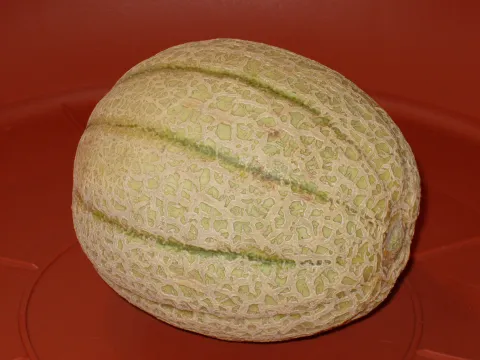
Cantaloupe melon
Cucumis melo cantalupensis
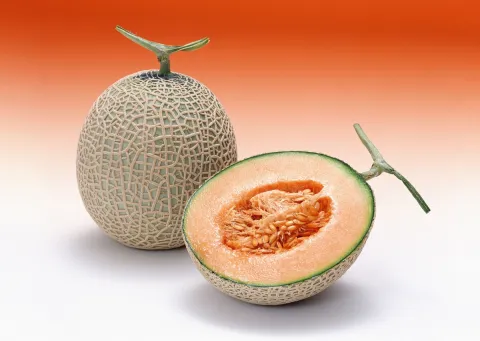
Embroidered melon
Cucumis melo reticulatus
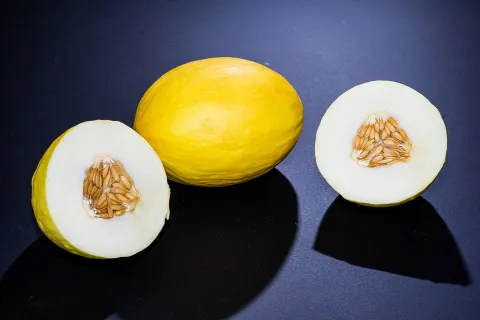
Canary melon
Cucumis melo Juan Canary
Charentais melon
Cucumis melo cantalupensis
Find all our tips in the Monstera application