Embroidered melon, Cucumis melo reticulatus
Cucumis melo reticulatus
- Exposure
- Sun
- Hardiness (USDA)
- 12a (10°C ≤ T° < 12.8°C)
- Lifecycle
- Annual
- Foliage
- Deciduous
- Family
- Cucurbitaceae
- Genus
- Cucumis
- Species
- Melon Cucumis melo
Grown in Europe, Asia and America, embroidered melons (Cucumis melo reticulatus) and their finely worked rind are a feast for the eyes. The different varieties, with their sweet flesh, are also a gourmet's delight!
How to recognize a melon (Cucumis melo)?
The embroidered melon (Cucumis melo reticulatus) is an annual herbaceous plant. It has a creeping growth habit: it doesn't grow more than 30 centimetres high, but its stems can grow up to two metres long. They have simple tendrils that enable them to cling to a support and climb.
Melon brodé produces yellow flowers. The same plant bears both male and hermaphrodite flowers. While only the hermaphrodite flowers, with their bulge at the base, give rise to the fruit, the male flowers are essential for pollination.
The fruit is covered with a thick green or orange skin, dotted with raised patterns known as embroidery. The rind may or may not be ribbed. Oval to round, these melons rarely weigh more than two kilos. The orange flesh is sweet and aromatic, and the seeds yellow.
What are the different varieties of embroidered melon?
There are dozens of varieties of Cucumis melo reticulatus. They include
- Hales Best Jumbo: an old-fashioned variety known for its resistance and very sweet orange flesh.
- Vert Galia (or Galia): a melon with melting, sweet flesh;
- Delicious 51: hardy and early, a good choice for regions with short summers;
- Pineapple: creamy-white or pale-green flesh, sweet with a pineapple-like aftertaste.
- Burpee Hybrid: renowned for its productivity and thick, salmon-colored flesh.
- iroquois: a variety resistant to many diseases, producing juicy, sweet fruit;
- Hearts of Gold: extremely aromatic, with fine, fiber-free flesh.
- Sucrin de tours: an old-fashioned variety with sweet orange flesh.
Is the melon toxic?
Like other cultivated melons, the brodé melon is not toxic. On the contrary, its fruit is widely consumed throughout the world.
However, the skin is in contact with the soil. The rind can therefore be contaminated by soil, fertilizer or manure. Clean your melon before cutting it, and wash your hands after handling it.
Our care tips
Embroidered melons like the sun. Move the fruit away from the foliage to let the light shine on them, so they'll be sweeter. You can also elevate them with a tile or stone to protect them from humidity.
 Watering
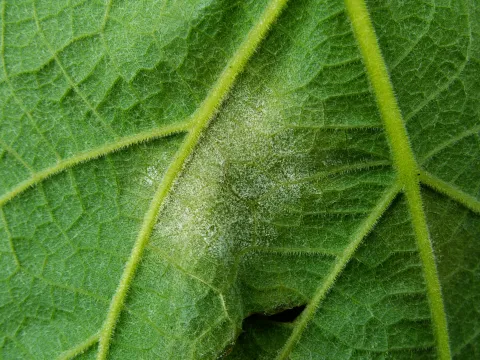
Embroidered melons like water. Don't let the soil dry out. Water at the base, without wetting the foliage, to prevent powdery mildew.
Use rainwater or tap water.
 Fertilization
Apply a potassium-rich fertilizer, such as a tomato fertilizer. Follow the manufacturer's instructions to avoid damaging the plant.
 Harvest
Harvest the fruit when it's ripe.
When the base of the petiole at fruit level cracks, you can harvest. Cut the stalk two or three centimetres from the fruit.
 Pulling out
Once the plant has dried out completely, you can pull it out.
When the foliage turns yellow and the stem becomes brittle, this is a sign that the root system is no longer functioning. You can uproot the plant to make room for other crops.
Take the base of the main stem (the stalk) with your full hand. Use gentle circular movements to loosen the roots, then lift gently. If the soil is compact, use a fork. Push it about 15-20 cm from the stem and pry up to dislodge the root ball without breaking it.
Pick up any dead stems and leaves lying around to prevent spores and fungi from remaining in the soil.
 Thinning out
Keep only one plant out of three, the most vigorous.
 Planting
When the risk of frost has passed, it's time to plant.
Choose a sunny location, sheltered from the wind. If you live in a rainy region, make a mound and plant your Embroidered melon at the top. This will protect the plant from excess water.
Dig a hole 15 centimetres deep and place compost or manure at the bottom to enrich the soil.
Water the rootball to keep it intact. The roots are fragile. Carefully remove the pot and avoid touching them.
Plant your Cucumis melo reticulatus. The rootball should be flush with the soil. Fill in with garden soil and tamp gently. You can form a watering trough and mulch to retain moisture and prevent the spread of weeds.
Make an initial watering to help the plant take root. Water at the base, without wetting the foliage.
Pollination, which is necessary to obtain fruit, is easier between two different plants. Embroidered melons benefit from being planted at least in pairs, side by side, to optimize harvesting. However, keep them at least a metre apart to allow them to develop.
 Sowing
Once the risk of frost has passed, you can sow your Cucumis melo reticulatus seeds.
Embroidered melons are greedy plants. Prepare the soil by adding manure or well-decomposed compost.
Embroidered melons can be sown in bunches.
- Dig a hole about ten centimetres deep.
- Fill it with sowing and planting soil.
- Bury three seeds under a centimetre of soil.
- Water lightly.
Water to keep the substrate moist until the first leaves appear.
Space your plantsat least one metre apart. Embroidered melons needs room to grow.
You can start seedlings indoors when the days get longer.
Get your own buckets. It's best to choose models made of biodegradable material (peat or coconut fiber). This way, you won't have to unstuff your Cucumis melo reticulatus to transplant them into the ground: their roots are fragile.
Fill your cups with potting soil for seedlings and plantations. You can also use garden soil enriched with compost.
In each pot, plant three seeds and cover them with a centimetre of soil.
Water lightly, then regularly to keep the substrate moist until the first leaves appear.
Place your seedlings in a bright spot where the temperature exceeds 18°C, such as a greenhouse or veranda.
Frequently asked questions
Which vegetables shouldn't be planted next to melons?
Melons appreciate warmth, space and rich soil. It is therefore advisable to avoid planting it near :
- Cucumbers and other cucurbits (zucchini, pumpkin, squash), which attract the same diseases and pests;
- Potatoes, which are nutrient-hungry and disease vectors;
- Leafy vegetables such as lettuce and spinach, which require cooler conditions.
On the other hand, melon pairs well with corn, beans or certain melliferous flowers, which encourage pollination.
What's an embroidered melon?
Embroidered melons belong to the Cucumis melo reticulatus group. The different varieties have a rough skin, formed by a network of whitish lines called embroidery.
Can I sow melon seeds?
Yes, you can sow commercially available melon seeds. You can also harvest the seeds from your own fruit and plant them in the spring. Please note, however, that only seeds from non-F1 varieties germinate and give rise to a plant. F1 hybrids produce sterile seeds.
Disease / Threat
Information
- Lifecycle
- Annual
- Foliage
- Deciduous
- Exposure
- Sun
- Substrate
- Humus soil
- Planting methods
- Open groundIn pots
- Categories
- VegetableHerbaceous
- Tags
- BeginnerCold-sensitiveLarge potThirstyEdible vegetable
- Origins
- East AfricaWestern AsiaSouth AsiaAustralia
- Hardiness (USDA)
- 12a (10°C ≤ T° < 12.8°C)
- Leaf color
- Dark green
- Flower color
- Yellow
- Fruit colors
- Dark greenLight greenOrange
Discover plants from the same family
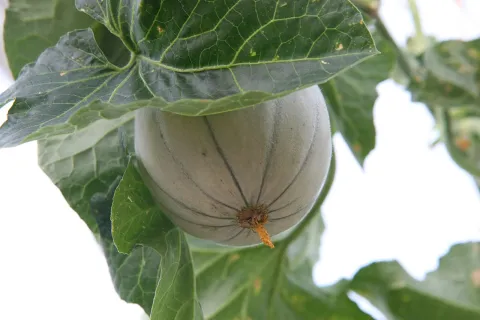
Melon
Cucumis melo
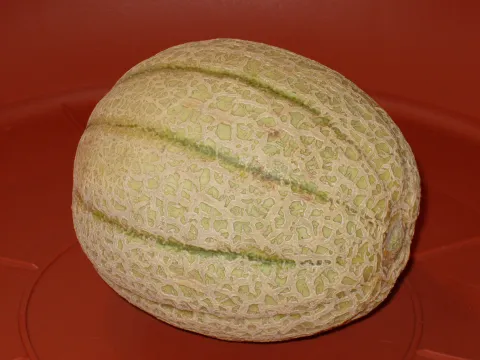
Cantaloupe melon
Cucumis melo cantalupensis
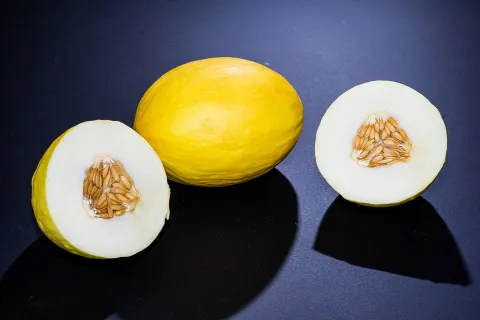
Canary melon
Cucumis melo Juan Canary
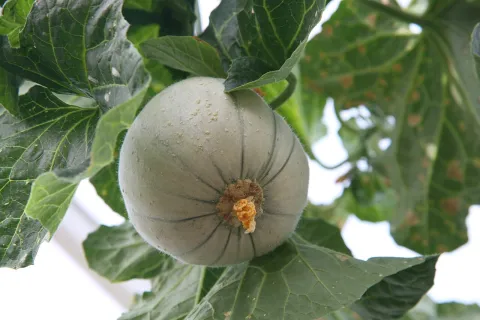
Charentais melon
Cucumis melo cantalupensis
Find out more
Find all our tips in the Monstera application