Ceropegia woodii, the string of hearts
Ceropegia woodii
- Exposures
- Sun, Half-shade
- Hardiness (USDA)
- 11a (4.4°C ≤ T° < 7.2°C)
- Lifecycle
- Perennial
- Foliage
- Evergreen
- Family
- Apocynaceae
- Genus
- Ceropegia
- Species
- Ceropegia woodii
Do you like your Curio rowleyanus, with its pea-round leaves? Then you'll love Ceropegia woodii. Better known as heart chain, this plant from the Apocynaceae family is native to South Africa.
How to recognize Ceropegia woodii?
Ceropegia woodii is a succulent plant with a drooping habit. It can be grown hanging or on a stake.
The purple stems can reach two meters in length. They grow from tuberous roots and bear caudexes. They serve as a water reserve during periods of drought.
The fleshy leaves are planted in pairs along the voluble vines. They are heart-shaped and no more than three centimetres wide. In the botanical variety, the upper surface of the leaf blades is silvery-grey with green spots, and the underside is purple. There are also hybrids and cultivars with red or white variegated foliage.
Flowering takes place in late summer, between August and September. The chain of hearts is adorned with dark pink and black tubular flowers.
When they fade, the flowers produce pods filled with flat seeds.
Ceropegia woodii is not toxic to animals such as dogs and cats. However, its long, drooping stems are no match for playful animals!
Our care tips
Behind its delicate appearance lies a robust plant. String of Hearts fears nothing, except excess water and lack of sunlight.
 Watering
Succulents store water in their leaves and roots. They don't need to be watered frequently. On the contrary, too much water or poorly draining soil can rot the roots.
To avoid killing your plant, water it only when the substrate is two or three centimetres dry in summer and completely dry during the cold seasons. Preferably use rainwater or non-calcareous water at room temperature.
Finally, make sure there's nostanding water in the dish.
 Misting
Chains of hearts grow in arid regions and do not like humidity. No need to spray them.
 Repotting
Every year in the spring, repot your Ceropegia woodii to give it more space.
Choose a pierced container only slightly larger than the previous one. Opt for a ceramic or terracotta model: they promote evaporation and prevent moisture from lingering at the bottom. You can also place a bed of gravel or clay balls at the bottom of the pot.
Chains of hearts cactus and succulents need a draining substrate, such as potting soil for cacti and succulents. Pour in a layer, plant your subject in the middle and fill in with potting soil. Pack gently to avoid damaging the root system.
 Fertilization
To promote the growth of your Ceropegia woodii, apply fertilizer in spring and summer.
Apply fertilizer for succulents to accelerate growth.
 Prune
Prune String of hearts when you want to control its shape and size. You can shorten vines with clean, sharp pruning shears.
After flowering, cut off wilted flowers flush with the stem. Also remove dried leaves.
 Taking cuttings
Propagation by cuttings is carried out during the strong growth phase, generally in spring and early summer.
Locate a stem with healthy leaves and remove a ten-centimeter portion with a clean, sharp tool. Remove the lower leaf blades, leaving only the upper pair.
Immerse the lower part of your cutting inclear water at room temperature. Make sure the level remains even and the liquid clean.
Protect your cutting from direct sunlight.
Protect your cutting from direct sunlight.
 Wintering
A period of dormancy is essential for your String of hearts to bloom again.
Move your String of hearts to a bright room with a temperature of 10 degrees Celsius for the plant to bloom again.
You should also reduce watering and stop fertilizing.
You should also reduce watering and stop fertilizing.
Disease / Threat
Information
- Lifecycle
- Perennial
- Foliage
- Evergreen
- Exposures
- SunHalf-shade
- Substrates
- Humus soilSandy soil
- Planting method
- In pots
- Categories
- IndoorSucculentHanging plants
- Tags
- BeginnerSmall pot
- Origin
- South Africa
- Hardiness (USDA)
- 11a (4.4°C ≤ T° < 7.2°C)
- Leaf colors
- Dark greenLight greenVioletPale pink
- Flower colors
- VioletPale pink
Discover plants from the same family
Find out more
- Curio rowleyanus
- Christmas cactus
- Inch Plant
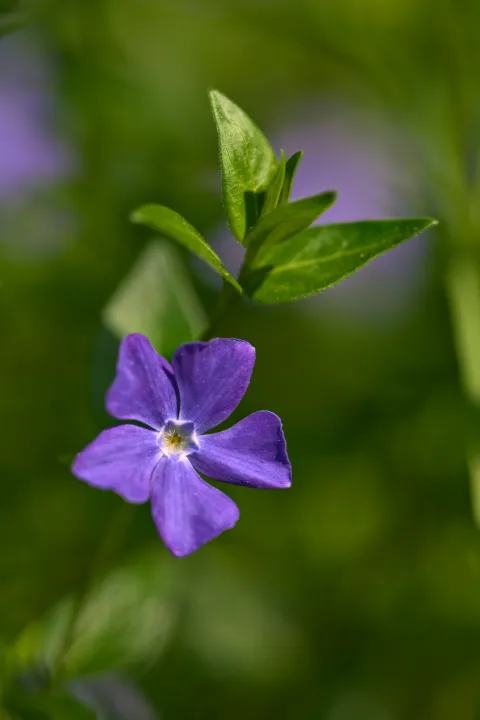
- Greater periwinkle
- Lesser periwinkle
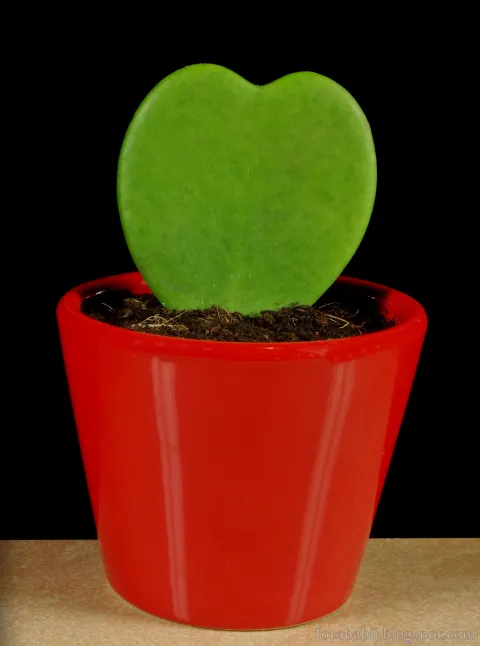
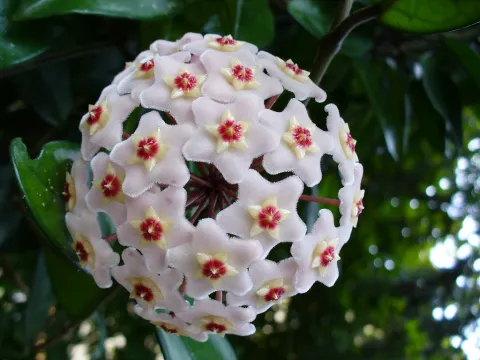
- Hoya kerrii vs Ceropegia woodii: which one will win your heart?
- 9 things you need to know about the heartworm (Ceropegia woodii)
- 9 romantic (or not) facts you need to know about Hoya kerrii
- 10 plant dupes even better than the originals
- 10 tips to ensure the success of your cuttings
- 15 original houseplants for a collection unlike any other
- 15 easy-to-cut and propagate houseplants
- When should you take out your houseplants?
- Nine plants to give for Valentine's Day when you don't like roses
- At Ann-Laure's, from Sansevieria to alocasias
- Ten maintenance-free houseplants
Find all our tips in the Monstera application