Hydro culture: 15 plants that grow without soil
Article for :Experienced plant loverPlant addict professional
Article summary
- #1: Monstera
- #2: Anthuriums
- #3: Pothos (Epipremnum aureum)
- #4: Basil (Ocimum basilicum)
- #5: Lucky Bamboo (Dracaena sanderiana)
- #6: Begonia maculata
- #7: Spider plant (Chlorophytum comosum)
- #8: Philodendron hederaceum
- #9: Mother-in-law's tongue (Sansevieria trifasciata)
- #10: Butterfly orchid (Phalaenopsis)
- #11: Alocasia
- #12: Ficus
- #13: Avocado (Persea americana)
- #14: Clusia rosea
- #15: Hoyas
Tired of potting soil gnats, orange clay pots and the chore of repotting, you've decided to try your hand at hydroculture or hydroponics? Discover 15 varieties of plants that grow in water and our tips for successful hydro or semi-hydro maintenance.
#1: Monstera
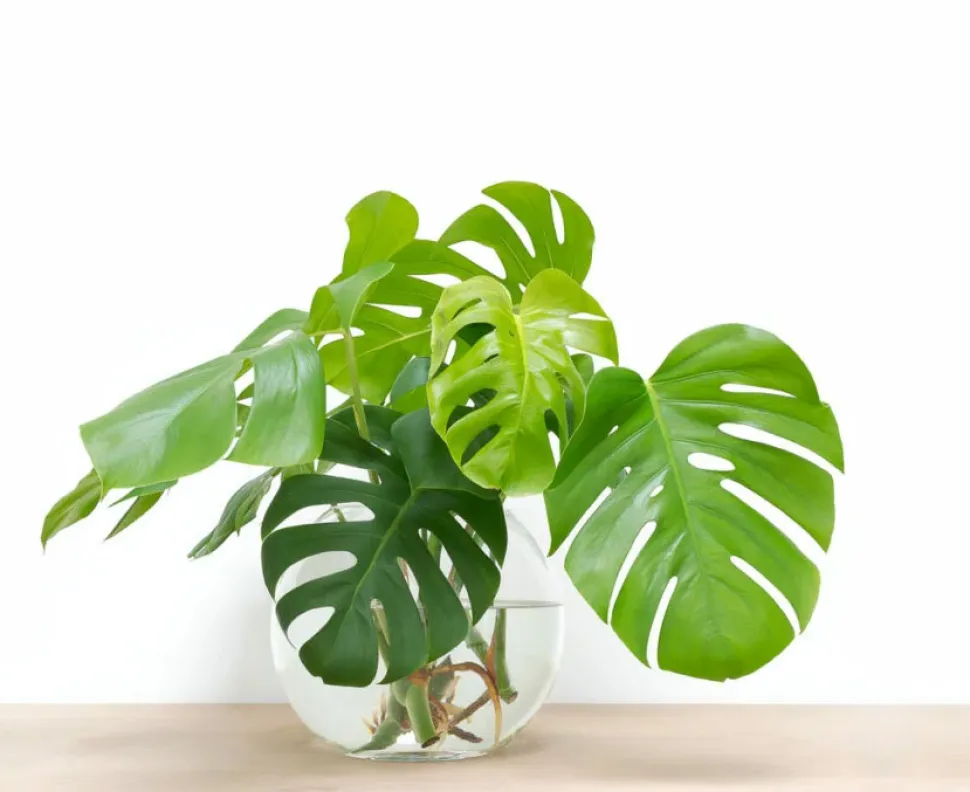
Even in hydro, Monstera plants have cut leaves. Photo by DropStock /iStock
In nature, plants of the Monstera genus are hemiepiphytes: they start life as epiphytes and grow without soil, on trees. It's only when their aerial roots meet the ground that they anchor themselves to it. This habit makes them excellent candidates for hydro cultivation, whether in water or in LECA.
You can grow any variety of Monstera in water or semi-hydro. Our advice? Choose Monstera adansonii or Monstera standleyana. Smaller than a Monstera deliciosa, these varieties are easier to manage when changing water or cleaning the vase!
#2: Anthuriums
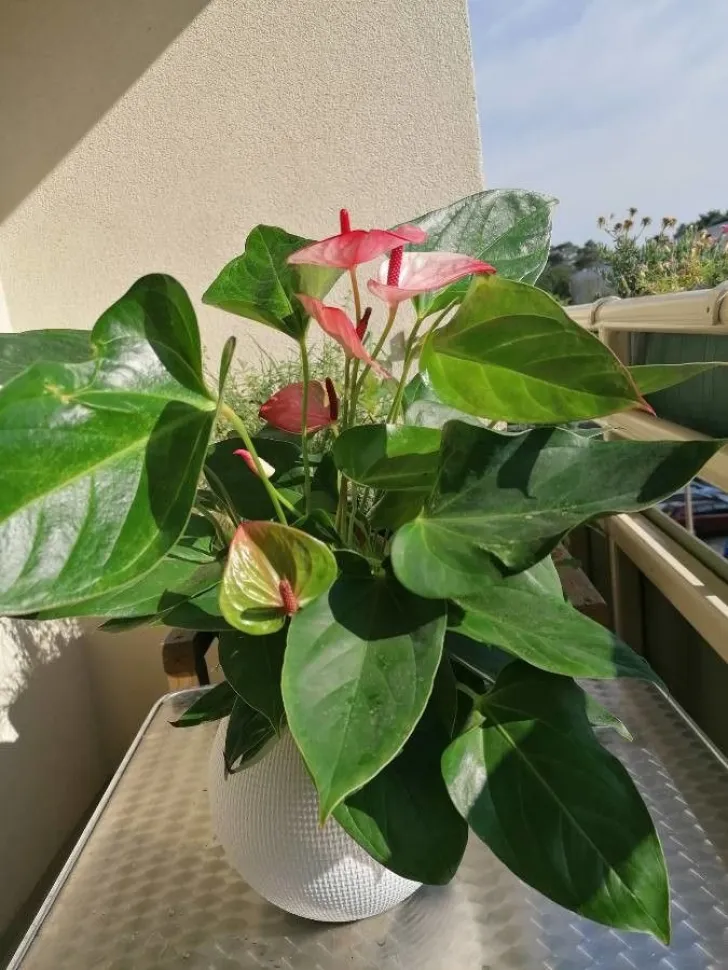
If your pot allows it, you can take your Anthurium outside in summer. Photo Pl@ntnet /plantnet
Anthuriums, whether flowering or with decorative foliage, require a light substrate and plenty of humidity. Growing them in hydro or semi-hydro meets both these requirements. If you're new to hydroponics, however, we recommend choosing a hardy, undemanding variety, such as anthurium andreanum.
Fertilizer is not enough to meet all Anthurium's requirements. The plant also needs light. In winter, place it behind a window screened by a curtain. In summer, it will thrive in full sun (without direct sun to avoid damaging the leaves) or part shade.
#3: Pothos (Epipremnum aureum)
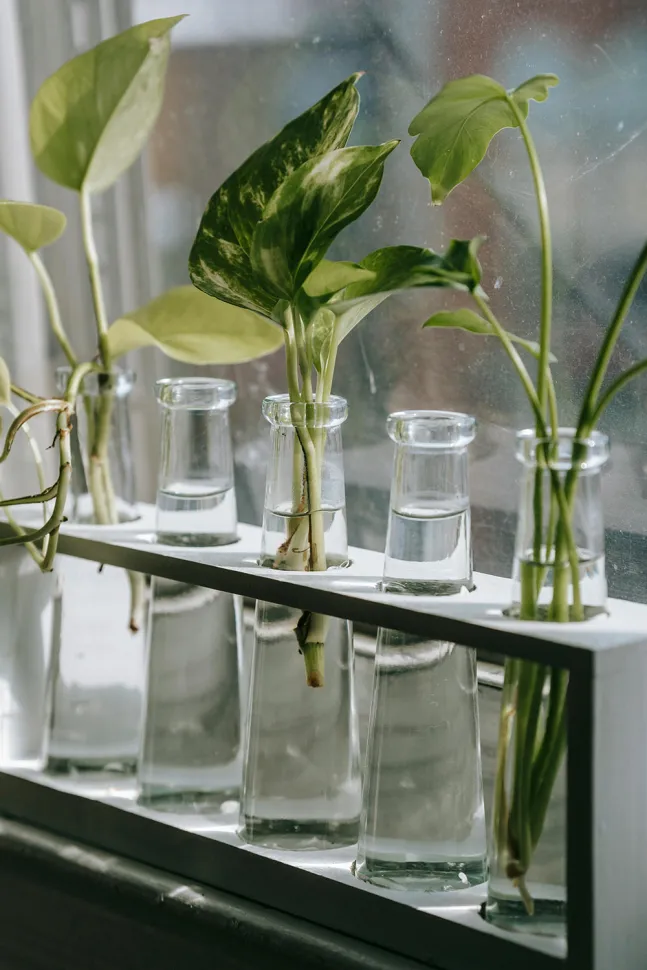
In hydro, your Pothos will quickly develop new roots. Teona Swift / Pexels
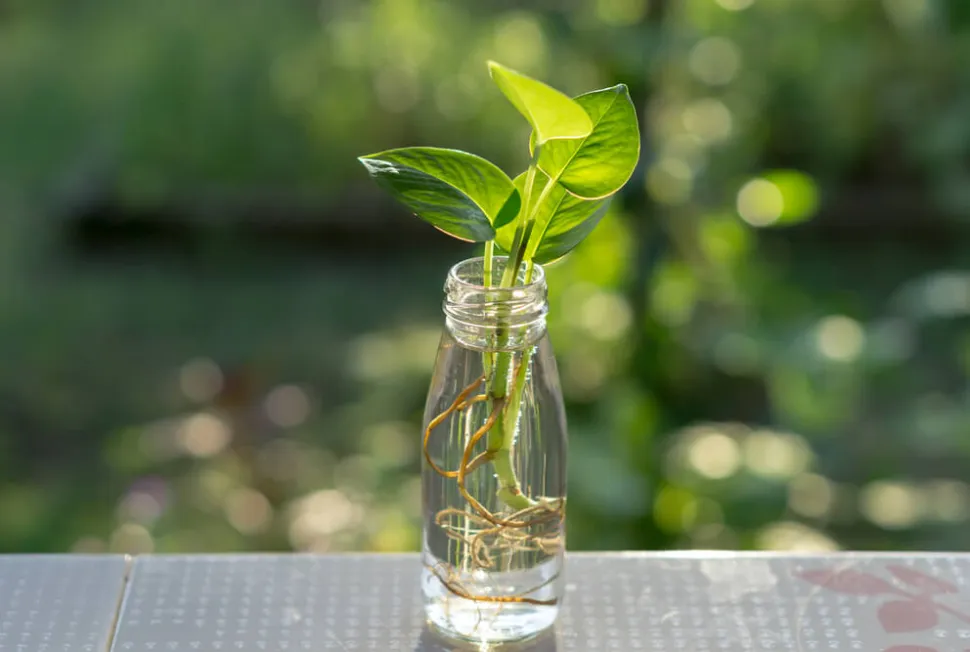
Want to get started with hydroponics, but afraid of failure? Grow a soil-less Pothos! The plant is just as resistant with its feet in water as it is in PON or potting soil. It will develop its heart-shaped, variegated foliage, whatever maintenance mistakes you make.
Although the plant is tolerant, it is not immortal either. If you're growing it in a neutral substrate (LECA, clay balls, pozzolan, etc.), rinse it thoroughly to remove any residues that might interfere with root development. Just rinse with water until the water runs clear. Don't use washing-up liquid or other products!
#4: Basil (Ocimum basilicum)
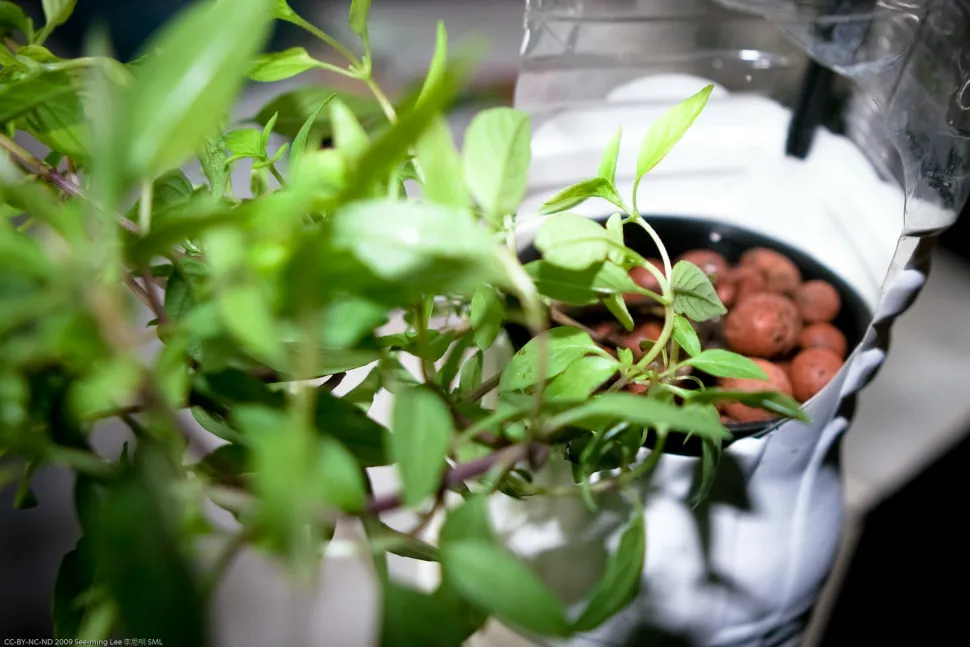
Always have fresh basil on hand thanks to the hydro culutre. Photo by See-ming Lee / Flickr
In the garden or in pots, common Basil (Ocimum basilicum) is a water-hungry plant. Hydro or semi-hydro cultivation will save you money. What's more, in a well-controlled environment and with a regular supply of nutrients, it will grow faster and offer you a more generous harvest than in a pot.
Basil is sensitive to cold. Grow it indoors, in a room with a temperature of around 20°C. Avoid cold water when cleaning roots or changing water. Instead, use lukewarm water, close to room temperature.
#5: Lucky Bamboo (Dracaena sanderiana)
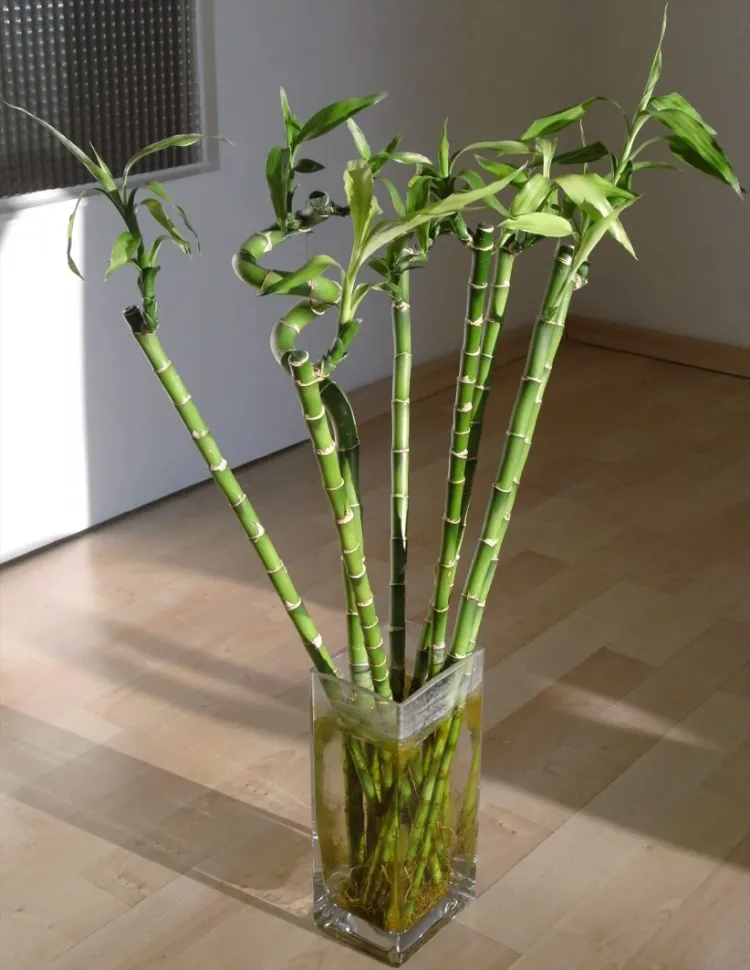
Lucky bamboo is often grown in water. It's said to give a "zen" effect. Photo by Bernard Ladenthin / Wikipedia
A symbol of prosperity, Lucky Bamboo (Dracaena sanderiana) needs no soil to bring good fortune. Its elegant green stems thrive in water or clay balls.
If you want your Lucky Bamboo to flourish, you need to provide it with slightly acidic water, with a pH of around 6. Preferably use filtered water. If you don't have filtered water, tap water is fine. But you'll probably need to correct the pH with specialized products.
#6: Begonia maculata
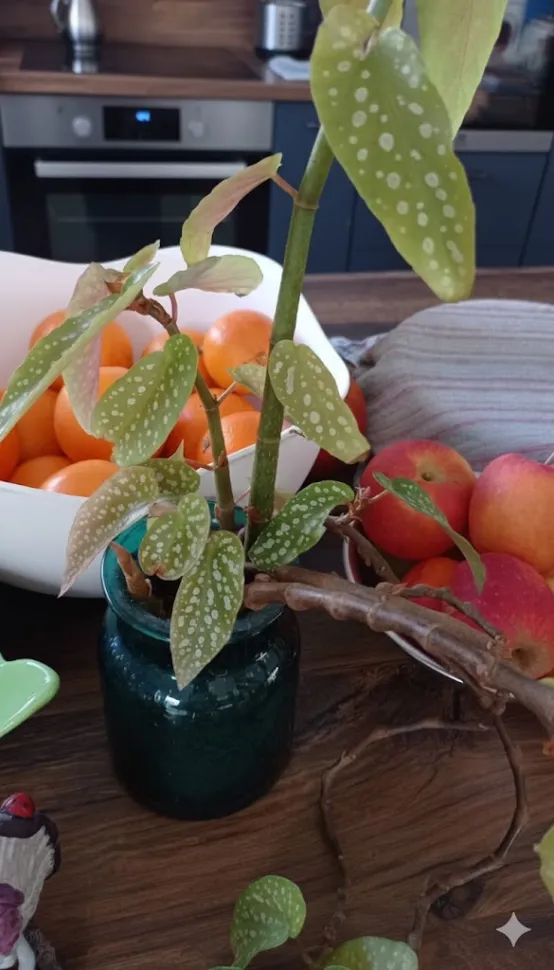
Indoors, Begonia maculata blooms between March and October. Photo by JCA / Plantnet
Begonia maculata is a rhizomatous plant whose roots adapt to hydroponic cultivation. So you can enjoy its polka-dot foliage and delicate blooms without the risk of gnats or mites.
You've chosen a pretty transparent vase and algae has invaded it after a few days? No problem. The combo of light + nutrient solution + water encourages their development. And it's not just unsightly. They can compete with your plant when it comes to absorbing nutrients. Clear water and a sponge (or swab) are all it takes to get rid of them. And if you don't want them to return, opt for opaque pots or colored containers. Algae won't thrive in the dark.
#7: Spider plant (Chlorophytum comosum)
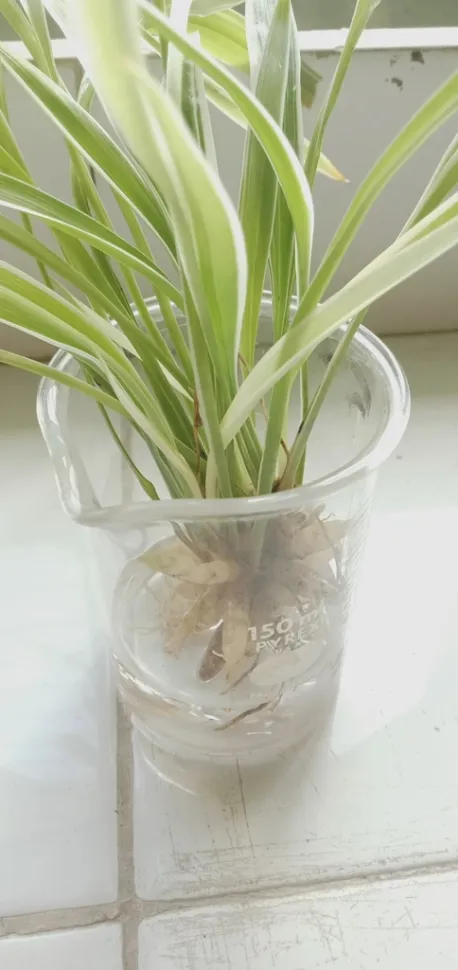
After a few months, your spider plant will produce shoots. Photo by Howard Hontanosas /iNaturalist
Monomon, the water spider imagined by Studio Ghibli, isn't the only arachnid that likes to wade. The spider plant Chlorophytum comosum) grows its rosette of leaves in hydro, semi-hydro or soil.
If you already have a Chlorophytum comosum at home, take a cutting and place it in water, as you would a cutting. Once it has produced its own roots, you can start adding nutrient solution.
#8: Philodendron hederaceum
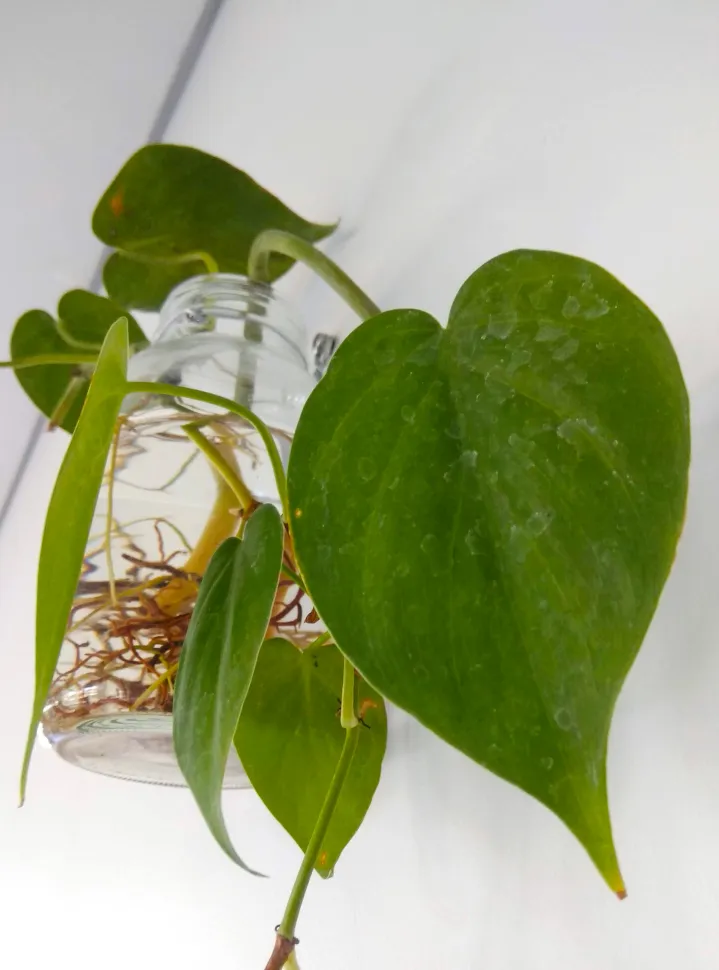
All varieties of Philo hederaceum are suitable for hydroculture. Photo by Aris Riyanto / Wikipedia
Native to the tropical forests of Central America, Philodendron hederaceum appreciates humidity. So it'll be like a fish in water in hydroculture! Whatever the variety. Depending on your tastes, opt for the botanical variety, with its dark green heart-shaped leaves, the Lemon lime version, with its tangy foliage, or the Philo Brasil, with its variegated leaves.
When growing your Philodendron hederaceum in semi-hydro, don't submerge the roots completely so that they can breathe. At least a third should be left in the open air. Infull hydroponics, the water level must be at least three centimetres below the edge of the container to allow oxygen to circulate.
#9: Mother-in-law's tongue (Sansevieria trifasciata)
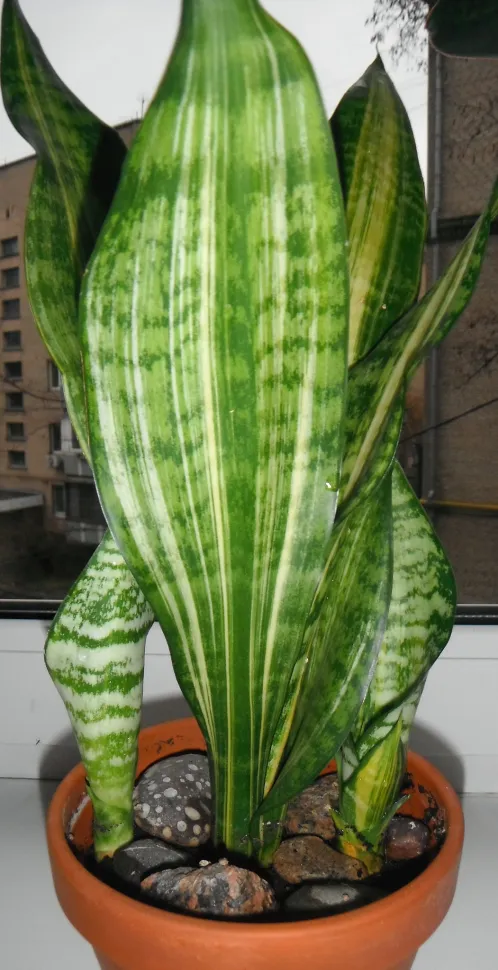
Often considered a shade plant, mother-in-law's tongue grows faster in the light. Indoors, it thrives behind a window. Photo by Irina UA / Flickr
At Monstera, we're the first to tell you that succulents hate having their roots immersed in water. Yet mother-in-law's tongue is one of the plants that can adapt to hydroponics. In fact, succulents are most afraid of heavy, oxygen-free soils and the combination of water and cold.
When you switch your Sansevieria trifasciata to hydroculture or semi-hydro, you need to remove all substrate from the roots. Rinse with lukewarm water until not a single gram of soil remains. Soil can unbalance your environment and bring in bacteria.
#10: Butterfly orchid (Phalaenopsis)
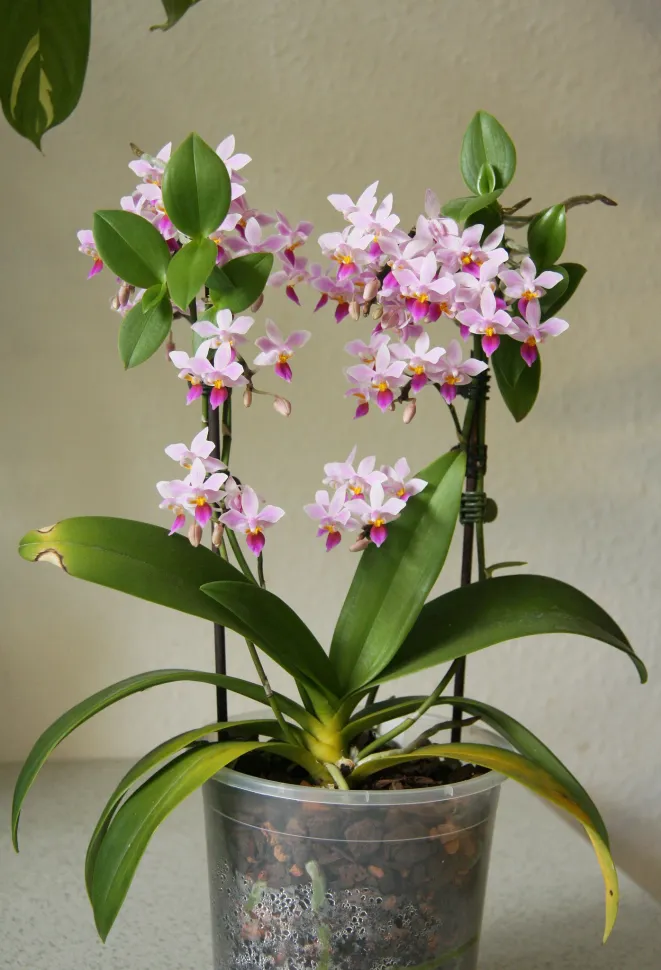
The color of the roots changes when the plant needs water. Green and shiny are fine. When they become dull and gray, you need to renew the water. Photo by Maja Dumat / Flickr
When it comes to water, butterflies behave strangely. Rather than drinking spring water or taking a dip on a summer's evening, they gather on damp, dingy ground and suck up the oozing fluids. They then offer them to the females for mating. Rest assured, your Butterfly orchid will behave normally in water! It will produce colorful, perfectly symmetrical flowers!
The phalaenopsis orchid is an epiphytic plant. In nature, it uses its roots to cling to trees, not to feed itself. You need to take this into account in hydro or semi-hydro cultivation. Pour little water, just to submerge the tips of the roots. You can also leave the roots in the open air for a day every two or three days to let them breathe.
#11: Alocasia
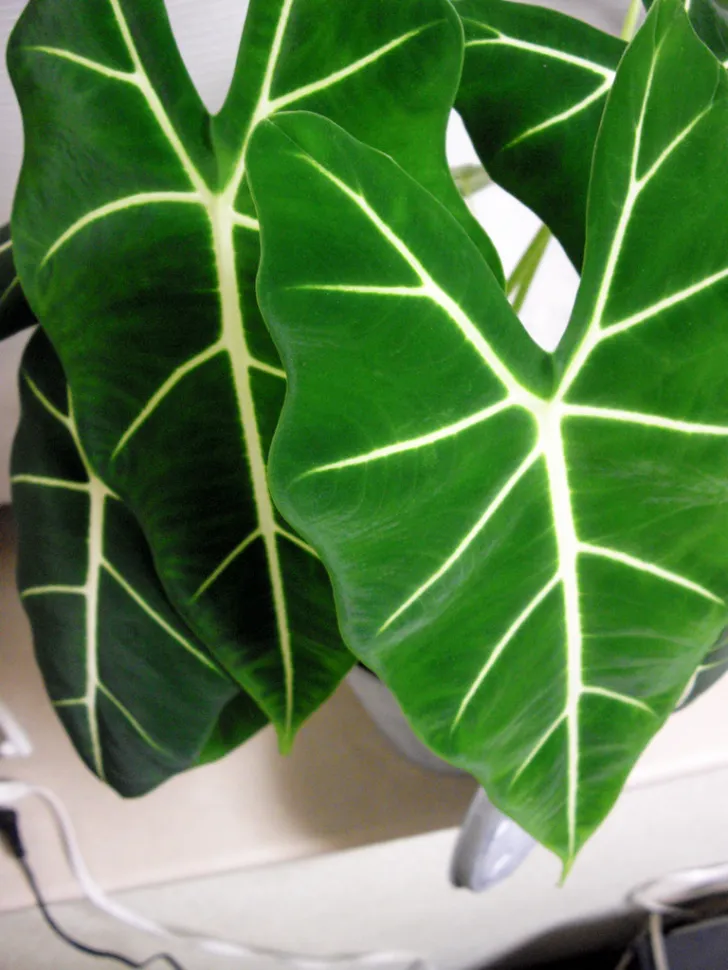
What if hydroponics was THE solution to keeping an Alocasia alive? Photo by Masaaki Komori / Flickr
Famous for their saggy, velvety or variegated leaves, Alocasias are also notoriously difficult to grow. In water, maintenance is almost easier. In hydroculture or hydroponics, your plant no longer risks over-watering. And you can monitor the condition of its roots.
To give yourself the best chance of success, hydroponize your Alocasia in spring. The growing season is more favorable to the development of new roots, so your plant can adapt more easily.
#12: Ficus
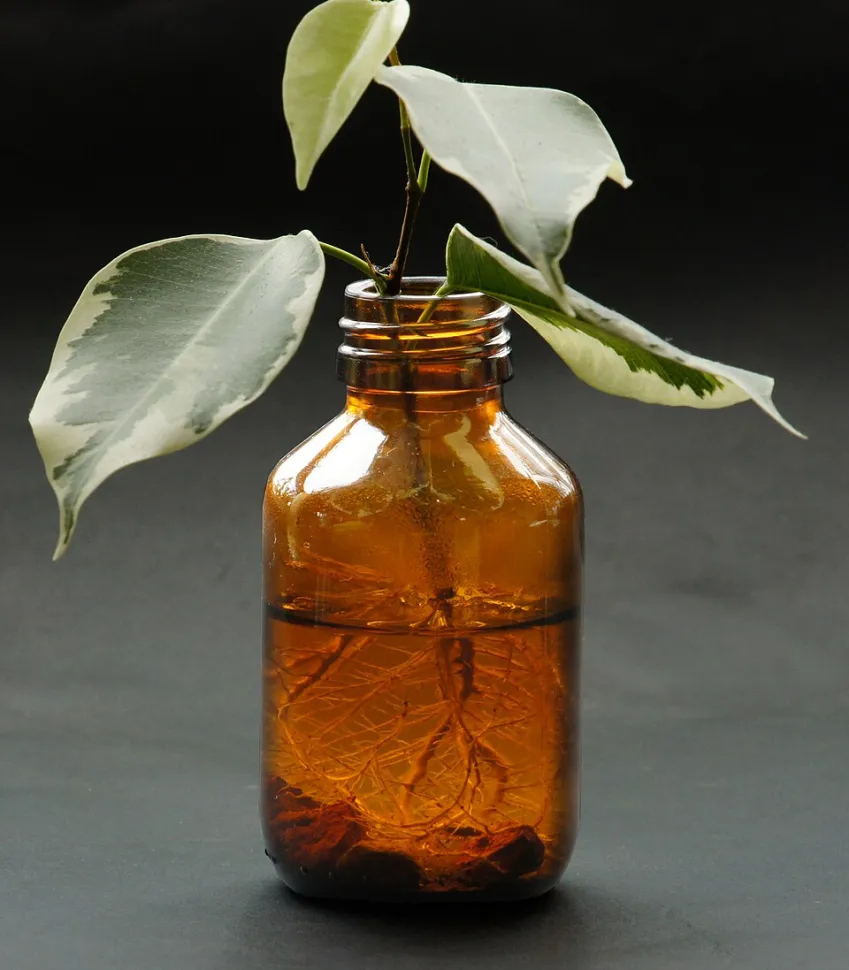
FIcus elastica 'Tineke' happy as a clam in hydroculture. Photo by Biusch / Wikipedia
Ficus, like Ficus elastica or ficus benjamina, hate change. They lose their tough, glossy leaves as soon as you move them a centimetre or two. Paradoxically, however, they tolerate the transition from soil to water quite well.
To ease the transition,remove a few limbs at the base. This will enable your shrub to concentrate on root growth. You can also shorten the roots if they are too numerous.
#13: Avocado (Persea americana)
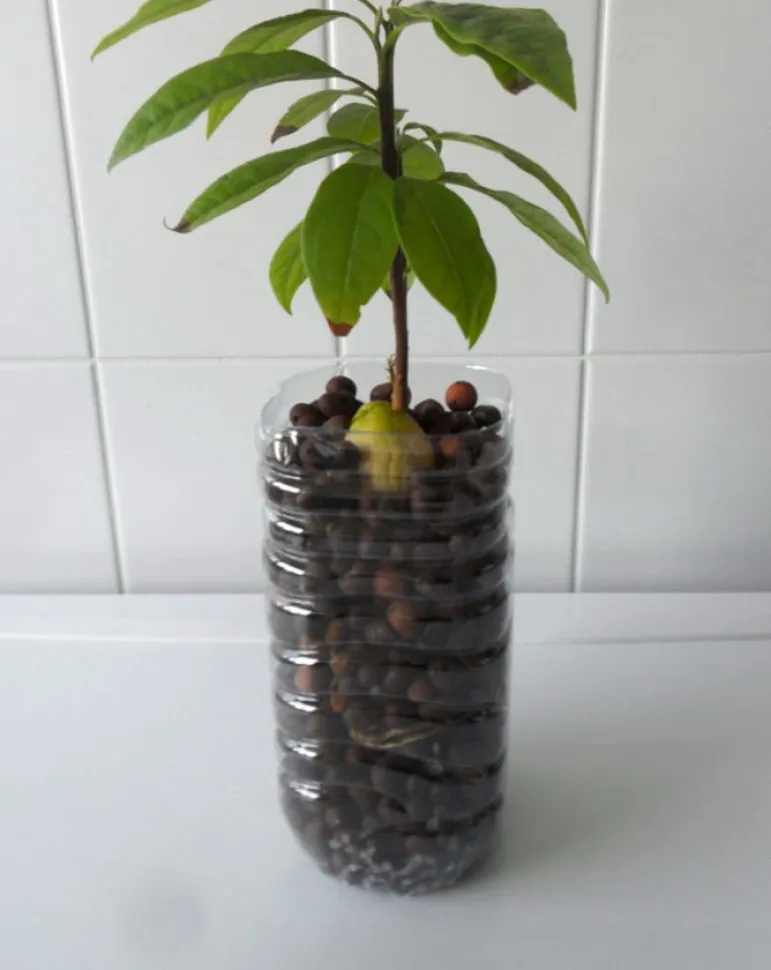
You'll have to wait 6 years before your avocado tree bears its first fruit. Photo by Jungle rebel /Flickr
Almost everyone has tried to sprout an avocado pit in water. But did you know that you don't have to transfer it to potting soil once its ribbed foliage appears? Avocado tree (Persea americana) can continue growing in semi-hydro or full hydroculture.
If you're starting from the kernel, wait a while before adding fertilizer. The seed provides the plant with all the nutrients it needs, at least until it forms its first pair of leaves. When your avocado tree has produced three or four limbs, start adding the nutrient solution to the water.
#14: Clusia rosea
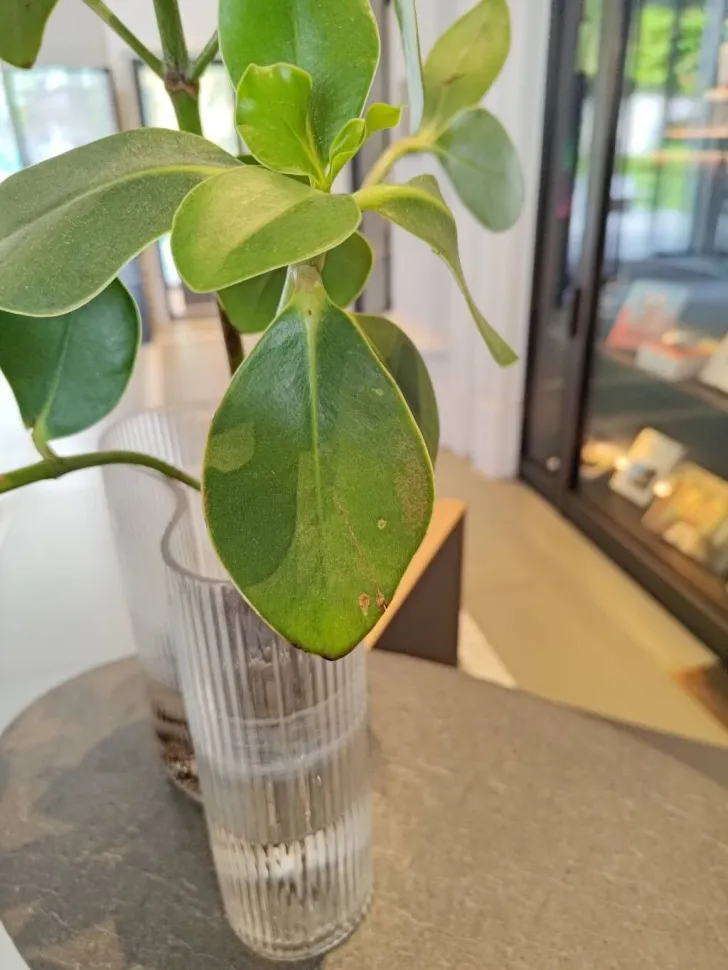
If all goes well, your Clusia rosea will flower. Photo by Nlc17984 / Plantnet
How about growing a tree in water? In hydroculture, your Clusia rosea probably won't reach three meters in height, but this hemiepiphytic plant will unfurl its bright green foliage in your living room without too much trouble.
To increase your chances of success, start with a Clusia rosea cutting. In fact, it's easier to keep a plant that has spent all or most of its life in hydro than to transfer a specimen from soil to water.
#15: Hoyas
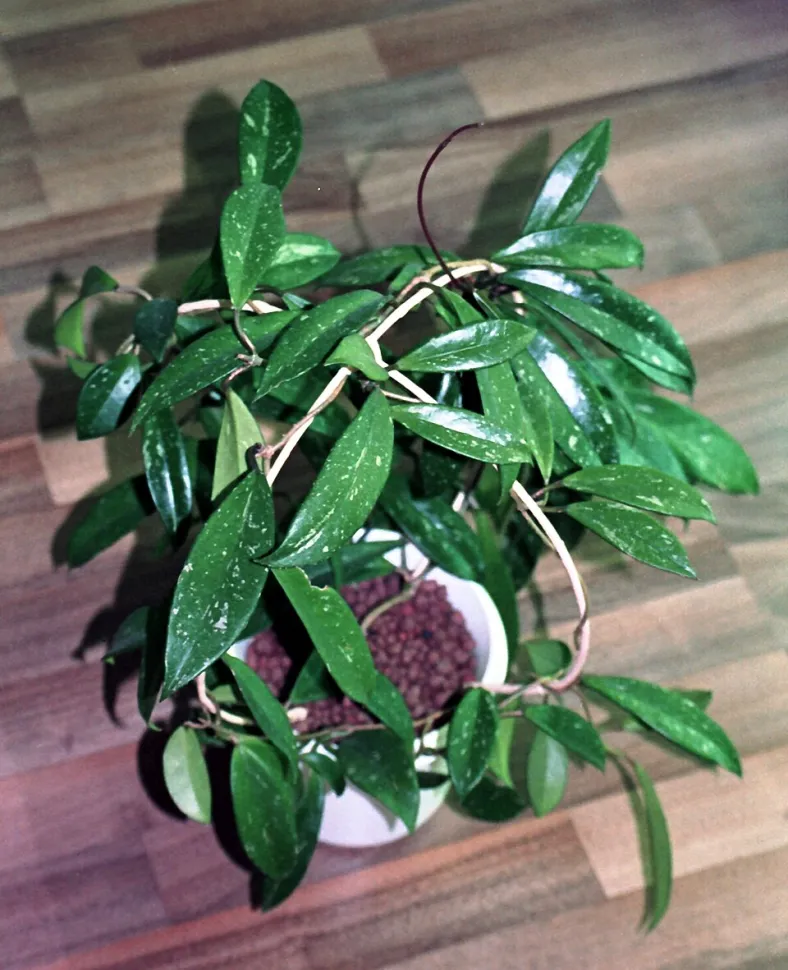
Most Hoyas can be grown hydroponically. Photo by Kor!an /Wikipedia
Hoyas, like Hoya carnosa or hoya kerrii, like well-drained, aerated soil. These plants also like hydroponics and hydroculture, which allow their roots to breathe. With a little water and nutrient solution, you can enjoy their fleshy leaves and hope to see porcelain flowers bloom.
Some gardeners use wicks tohelp the water rise in semi-hydro cultivation. This is not compulsory, but may be recommended if your substrate is too compact or your roots are still too short.
By Servane Nemetz
on 25-03-2026 at 10:05 PM
on 25-03-2026 at 10:05 PM
Indoor plants
 Seaside garden: which spray-resistant plants to plant?
 Vegetable gardening: 10 mistakes that ruin your harvests
 Vegetable garden on a balcony: how to create a productive vegetable garden in the city?