How to get rid of aphids efficiently and naturally?
Article for :All parent plants
Key points to remember
In the event of a light attack, a jet of water, manual crushing or pruning of the infested parts may suffice.
Diluted black soap remains the most effective natural remedy for eliminating aphids over the long term, without damaging the plants.
Auxiliary insects (ladybugs, hoverflies, lacewings) are invaluable allies in the event of a major invasion.
Gardening means having a long list of enemies. Among the most formidable and frequent are aphids. Tiny but voracious, these insects relentlessly attack your plants' sap, weakening stems, leaves and flowers. The good news? There are simple and effective natural solutions to repel them without harming your garden.
What are aphids and why do they invade your garden?
Aphids are biting and sucking insects that feed on plant sap. They belong to the Aphidoidea family. They can be found in every garden. They contribute to biodiversity by attracting certain insects. However, their presence becomes a nuisance when they multiply too rapidly and infest plants.
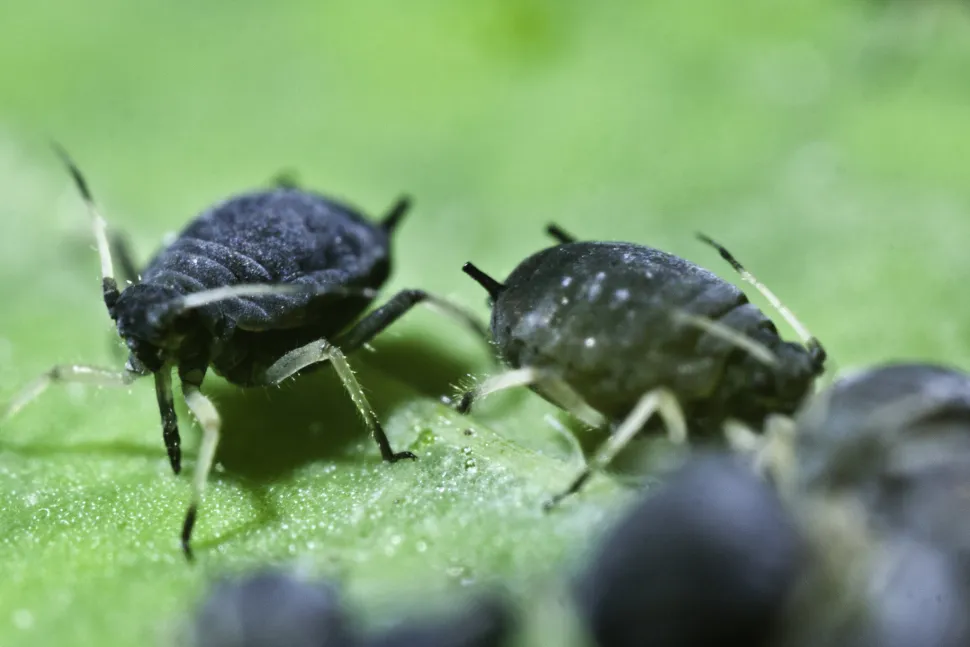
Aphids can measure less than 5mm and do a lot of damage / Photo by Sascha Kohlmann - Flickr
How to recognize aphids?
Aphids are insects visible to the naked eye. They :
- Measure between 1 and 4 millimeters;
- Have a soft, oval or pear-shaped body;
- Are green, black, white, yellow, brown or sometimes pinkish;
- May have wings (winged aphids).
There are over 4,000 species of aphid, 900 of which are found in Europe. Some are specific to one type of plant, while others attack several varieties. The most famous is the green rose aphid, which devours buds.
Which plants are most affected by aphids?
Aphids attack both indoor and outdoor plants.
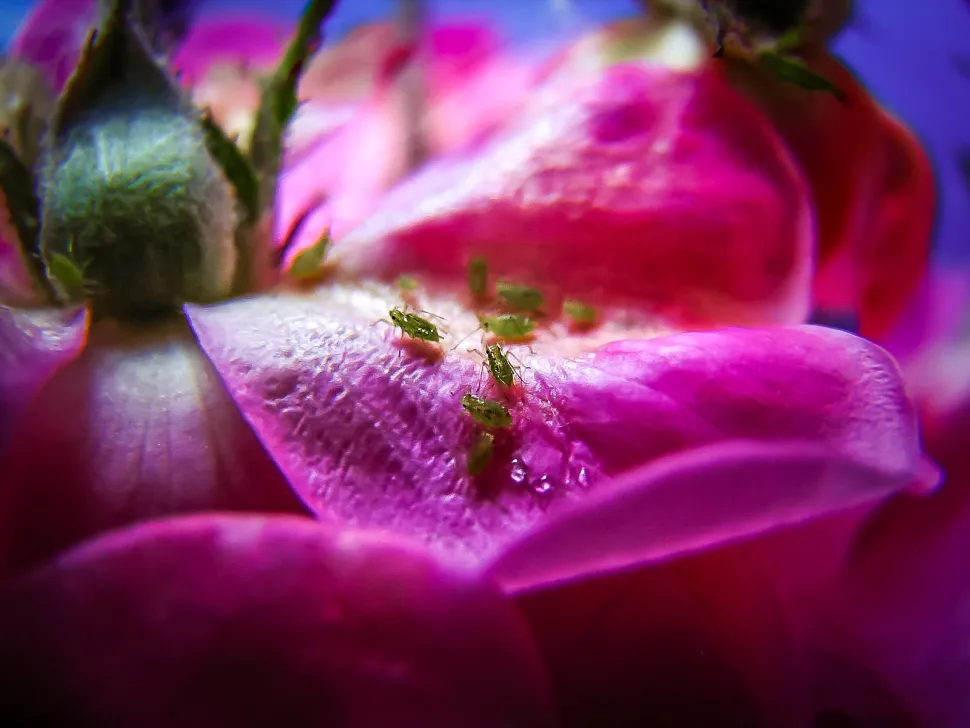
Roses are frequently affected by aphids. Fortunately, there are hybrid varieties that are more resistant / Photo by Dalma Szalontay - Flickr
In the garden, they invade :
- Ornamental plants (roses, hibiscus, geraniums, Oleander);
- Vegetable crops (tomatoes, lettuce, beans Zucchini, peppers);
- Fruit trees (apple, cherry, peach).
Indoors, the aphid is particularly fond of species with tender leaves, such as Calatheas or Alocasias.
Young, tender or weak plants are highly vulnerable to these unwanted hosts.
Why do aphids appear?
A number of factors favor the appearance of aphids:
- Excessive nitrogen:excessive nitrogen fertilization makes plant tissue softer and richer in sap, which attracts aphids.
- Lack of biodiversity:a garden lacking in beneficial insects (ladybugs, hoverflies, etc.) is an ideal breeding ground for aphids and other pests.
- Favorable weather conditions:mild, dry springs are ideal for aphids, which reproduce very quickly (one female aphid produces 30 to 70 larvae, which can reproduce within 15 days).
How can I tell if my plant has aphids?
Aphids, often grouped in very large numbers, can be seen on all parts of the plant:
- The underside of leaves;
- Along tender stems;
- Flower buds;
- Young shoots.
If your plant's leaves are yellowing, curling or turning brown, this may also be a sign of aphid attack.
Aphids also release a sweet substance called honeydew, which makes the leaves sticky.
Finally, the presence of ants can be a clue. They feed on the honeydew secreted by aphids. They protect them and move them to other plants, once they've sucked all the sap from a plant!
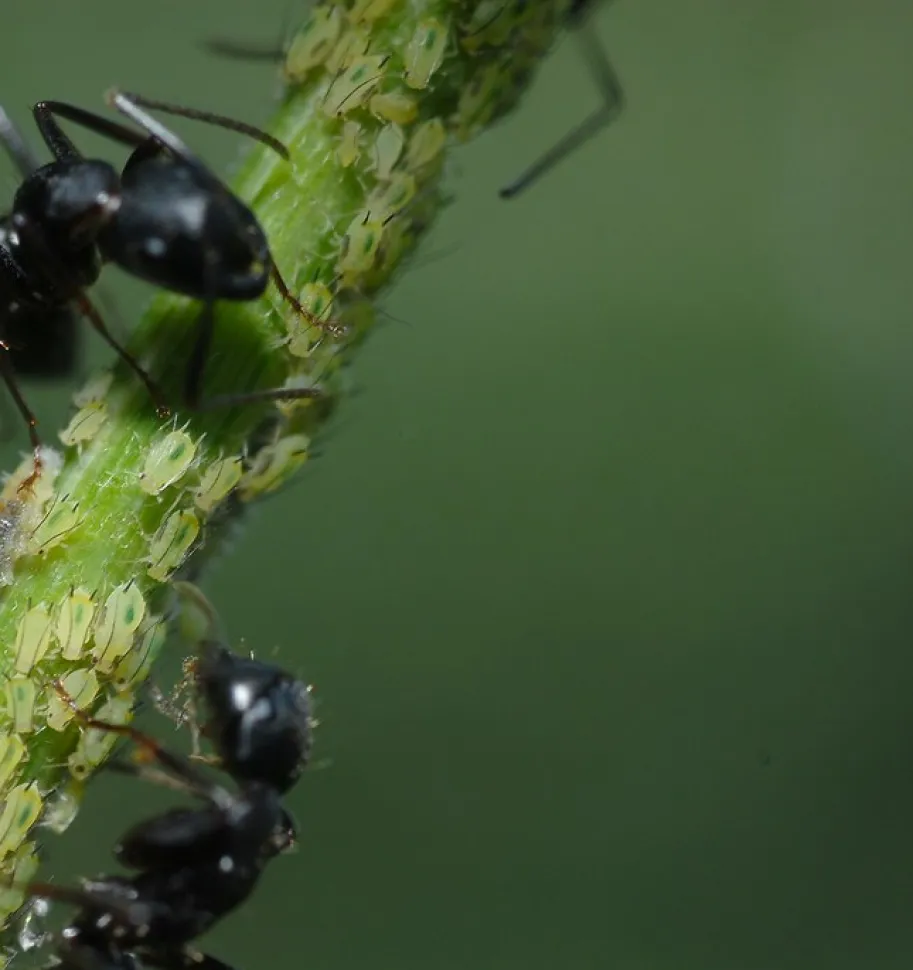
Ants are never far from aphids/ Photo by Frank Starmer - Flickr
What damage do aphids do to plants?
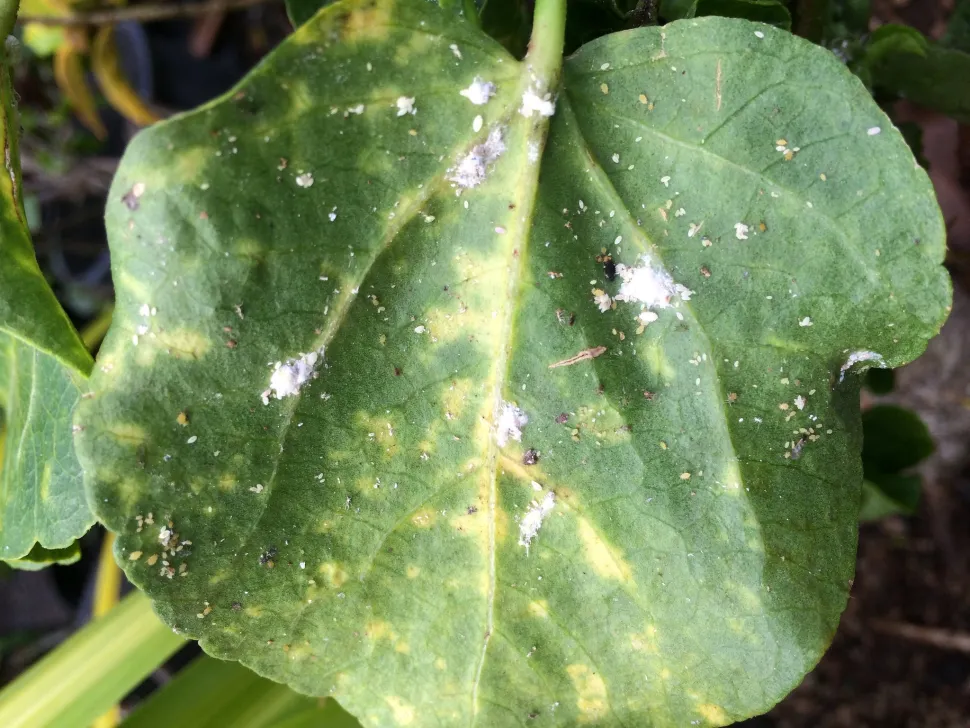
A hibiscus leaf after an aphid attack / Photo by Scot Nelson - Flickr
Aphid damage isn' t just aesthetic. If you do nothing, they weaken the plant and can even kill it. As good sucking, biting insects, aphids feed on plant sap. This leads to :
- Slower growth;
- Falling flowers or fruit;
- Reduced production.
They can also transmit diseases and viruses. A single colony can contaminate several plants.
Finally, honeydew encourages the development of a black fungus called fumagine, which prevents photosynthesis.
Our tips for getting rid of aphids naturally
The earlier you act, the quicker and easier it is to get rid of aphids.
Mechanical control: the first reflex in the event of a light attack
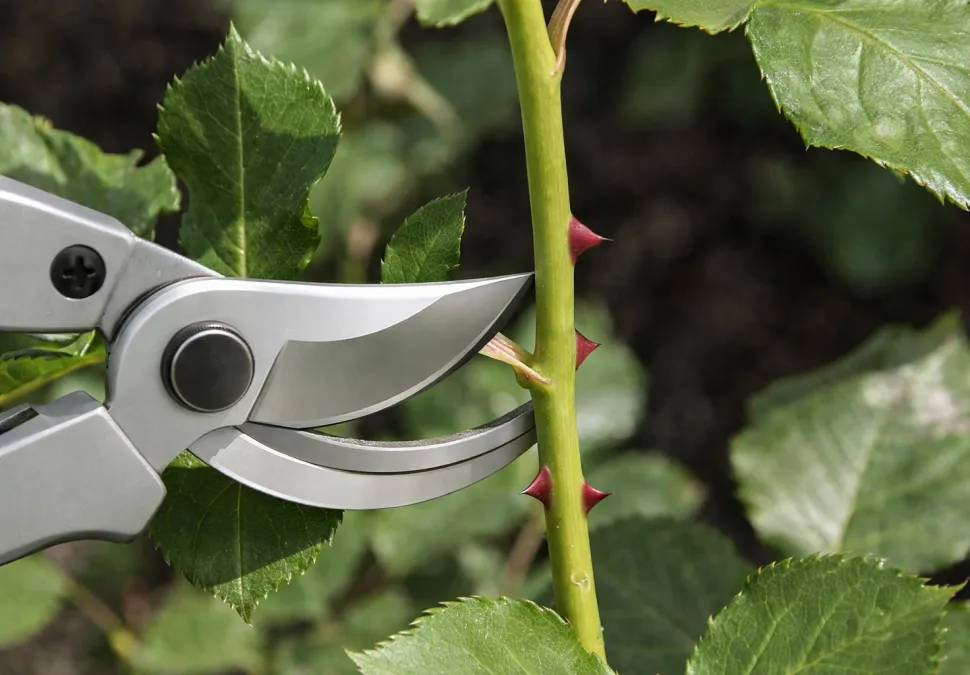
Don't hesitate to prune the most infested areas
When aphids are few in number, simple gestures are enough to eradicate them:
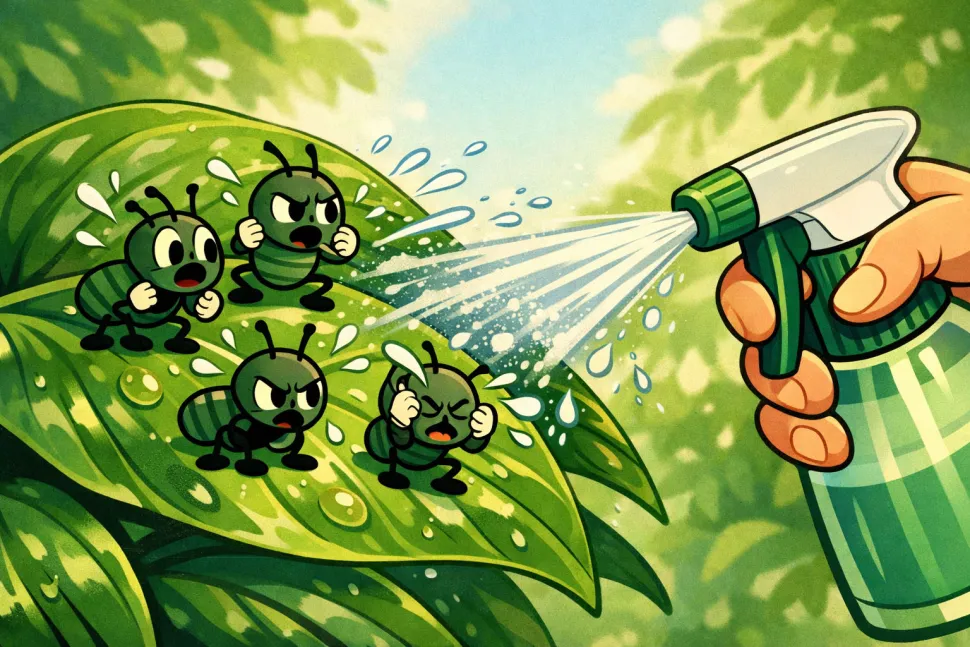
Water spraying: a moderate spray of water will dislodge aphids from leaves and stems. Repeat the operation several days in a row, until the insects have disappeared.
Manual crushing: not very attractive, but effective on small colonies. Don't forget to wear gloves!
Pruning infested areas:remove severely affected areas to limit the invasion.
Manual crushing: not very attractive, but effective on small colonies. Don't forget to wear gloves!
Pruning infested areas:remove severely affected areas to limit the invasion.
Isolateinfested plants if you can. Aphids use their wings to move from one pot to another.
Natural remedies: your weapon against aphids once they've settled in
If it's too late for mechanical control, there are several natural remedies you can use to eliminate aphids and prevent their return.Don't forget to clean the plant to remove all the smoke before treating it.
As is often the case in the garden, black soap is the most effective natural remedy. Mix :
- 5 tablespoons liquid black soap ;
- 1 liter warm water.
Once the mixture has reached room temperature, spray it onto the plants (stems, top and underside of leaves). Repeat until all aphids have disappeared. Apply preferably in the evening or early morning, so that the sun doesn't damage the leaves.
All plants, except those with downy foliage, can undergo this treatment. Avoid spraying aromatic plants, which are very sensitive to black soap.
Garlic decoctions and coffee grounds, on the other hand, have little effect, even in the short term. Mixtures based on bicarbonate of soda or washing-up liquid represent a risk for your plant.
Auxiliary insects: your reinforcements in the event of a massive invasion
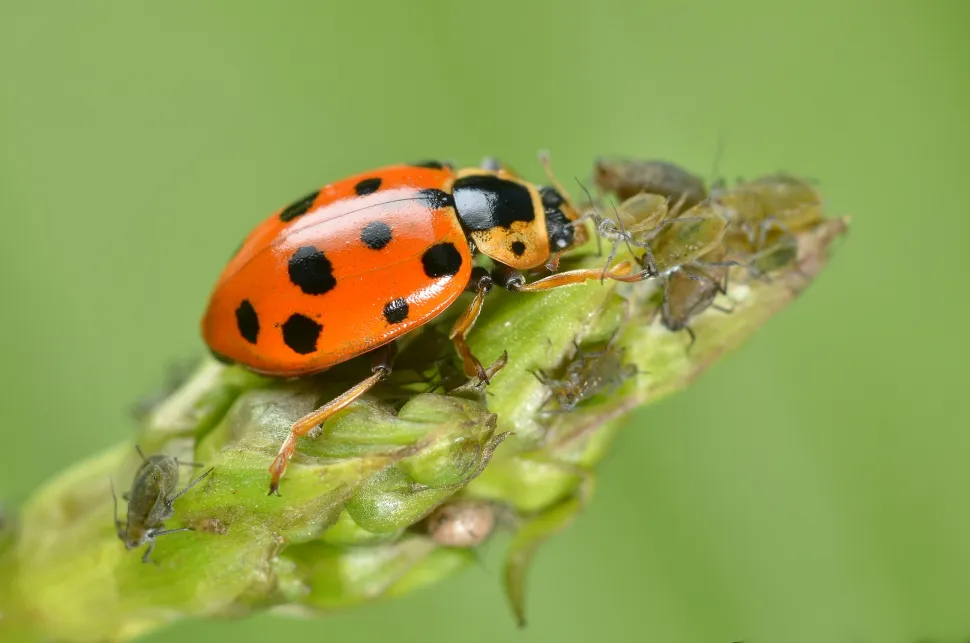
Ladybugs love aphids / Photo by Gilles San Martin - Fflickr
If aphids are wreaking havoc on your roses, it's time to invite some insects into your garden. Ladybugs, hoverflies and lacewings are the natural predators of aphids. One ladybug alone can eat 150 aphids a day!
But aphids generally develop in early spring, before the arrival of ladybugs and other predators. If you don't have any auxiliary insects at home, you can buy hoverfly, ladybug or lacewing larvae online or in specialist stores. Place them on your invaded plants and let nature take its course.
You can also take steps to make your garden or vegetable patch a haven for beneficial insects and a hell for aphids:
- Install insect hotels;
- Plant melliferous flowers.
Is it necessary to use chemicals against aphids?
Effective almost immediately, commercial insecticides eliminate any aphid colony (or almost any colony) from the very first application.
But these products don't distinguish between aphids and useful garden insects such as ladybugs, bees and hoverflies. Their use upsets the natural balance, depletes biodiversity and can, in the long term, make aphids more resistant.
What's more, chemical insecticides can present a health risk, especially in a vegetable garden used for food or in a garden frequented by domestic animals.
They are best used when all other solutions have failed, or in the event of a massive invasion of aphids. To limit the risks, always follow the manufacturer's instructions on dosage and timing.
How can I prevent the appearance of aphids?
Aphids are not inevitable. You can prevent them from taking hold in your home.
Maintain a good soil balance
Avoid excess nitrogen fertilizers, which encourage the production of tender young shoots that aphids love. Instead, use mature compost and balanced organic fertilizers.
Practice crop rotation
In the vegetable garden, changing the location of crops from one year to the next limits the long-term establishment of aphids and reduces the risk of recurrence.
Install repellent plants
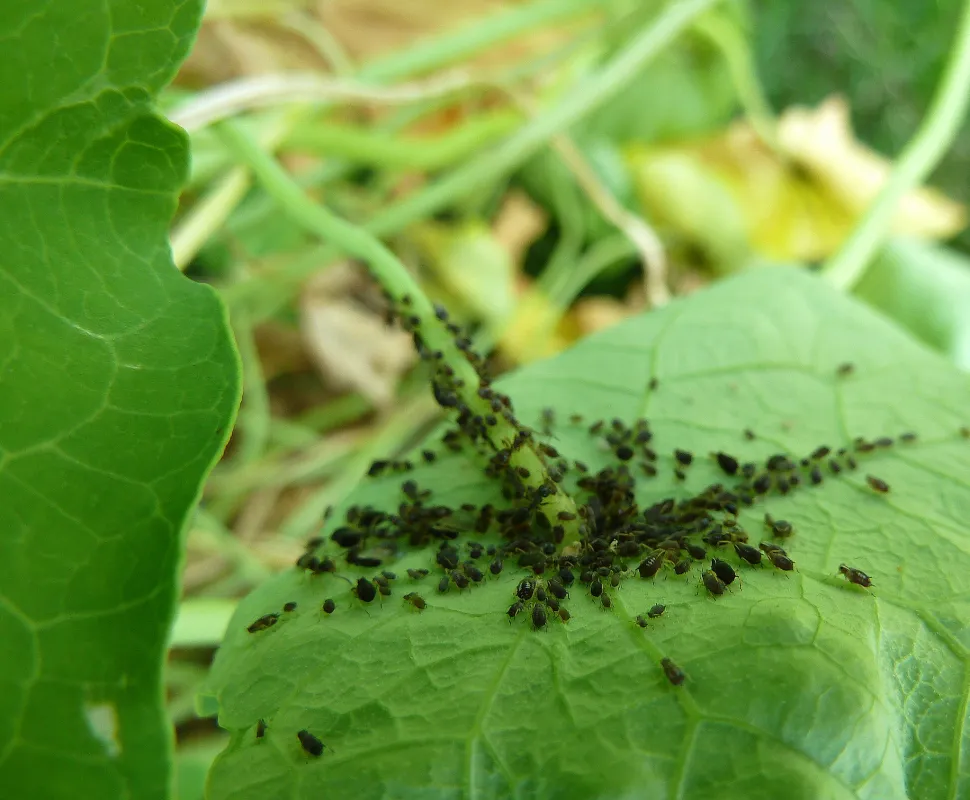
Nasturtiums, always ready to sacrifice themselves for your roses / Photo by F. Delventhal - Flickr
Certain plants, such as lavender, garlic and spearmint(Mentha spicata) have a natural repellent effect. Placed close to sensitive crops, they help limit invasions.
Nasturtium (Tropaeolum majus) can also be sacrificed for the good of your hibiscus or vegetable garden. Aphids will pounce on it, leaving your other plants alone.
Adapt your watering and maintenance schedule
Healthy plants are less susceptible to attack. Water, fertilize and prune your plants regularly to make them invulnerable, or almost invulnerable, to aphid attack.
Don't let aphids take over your plants: Access our detailed growing guides, receive personalized advice and learn how to recognize problems before they take hold.
Use nettle manure
Nettle man ure is a proven preventive treatment. Applied to healthy plants, it :
- Strengthens plants;
- Limits the spread of aphids;
- Improves overall garden resistance.
Frequently asked questions about aphids (FAQ)
How can I get rid of aphids on roses?
Roses are highly susceptible to aphids, especially in spring. The most effective solution is to spray colonies with diluted black soap, paying particular attention to the underside of leaves and young stems. You should also limit the presence of ants, which protect aphids, and encourage ladybugs in the garden.
How to eliminate aphids from houseplants?
Start by isolating the infested plant to avoid contamination. Then clean the leaves with lukewarm water or a damp cloth. For larger infestations, a light spray of black soap is usually sufficient.
How to treat aphids in the vegetable garden (tomatoes, lettuces, beans, etc.)?
Early intervention is essential in the vegetable garden. Regular spraying with water can limit the first colonies. If aphids persist, black soap remains the most reliable natural solution. Encourage the presence ofauxiliary insects andkeep an eye on ants, which are often responsible for the spread of aphids.
Is white vinegar effective against aphids?
Contrary to popular belief, white vinegar is not recommended against aphids. While it can eliminate them, it is also highly aggressive to plants, causing burns and irreversible damage. We therefore strongly advise against its use in the garden and on houseplants.
By Servane Nemetz
the 22-04-2026 à 21h19
the 22-04-2026 à 21h19
Article tags


 In the same category
 Newsletter
Indoor plantsOutdoor plantsVegetable garden
Latest articles
Seaside garden: which spray-resistant plants to plant?
Living in a house with a garden by the sea is like being on vacation all year round. But not for your plants! Between the sea spray that burns the leaves, the wind that blows r...
Living in a house with a garden by the sea is li...
Vegetable gardening: 10 mistakes that ruin your harvests
What if having a profitable vegetable garden wasn't just a question of varieties and the lunar calendar? Whether you have a vegetable garden in your backyard or a few pots on y...
What if having a profitable vegetable garden was...
Vegetable garden on a balcony: how to create a productive vegetable garden in the city?
Apartment gardening isn't just about growing houseplants. If you have a balcony, even if it's only 2 or 3 m², you can turn it into a vegetable garden and harvest your own tomat...
Apartment gardening isn't just about growing hou...
Vegetable gardening: 10 mistakes that ruin your harvests
What if having a profitable vegetable garden wasn't just a question of varieties and the lunar calendar? Whether you have a vegetable garden in your backyard or a few pots on y...
What if having a profitable vegetable garden was...
Vegetable garden on a balcony: how to create a productive vegetable garden in the city?
Apartment gardening isn't just about growing houseplants. If you have a balcony, even if it's only 2 or 3 m², you can turn it into a vegetable garden and harvest your own tomat...
Apartment gardening isn't just about growing hou...
Orchid: secrets for making it bloom again (and mistakes to avoid)
Can an orchid bloom again?Commercially available orchids can all bloom again - Photo by Magda Ehlers / PexelsGood news for all lovers of delicate flowers: orchids can bloom aga...
Can an orchid bloom again?Commercially available...