Chamaedorea elegans, a jungle in miniature
Chamaedorea elegans
- Exposures
- Sun, Half-shade, Shade
- Hardiness (USDA)
- 9a (-6.7°C ≤ T° < -3.9°C)
- Lifecycle
- Perennial
- Foliage
- Evergreen
- Family
- Arecaceae
- Genus
- Chamaedorea
- Species
- Chamaedorea elegans
Chamaedorea elegans, sometimes called the mountain palm, thrives in the rainforests of Mexico and Guatemala. It prefers to grow there in the shade of larger trees. This species, belonging to the Arecaceae family, is grown as a houseplant in temperate climates.
How can you recognize Chamaedorea elegans?
Chamaedorea elegans is a palm with a slender trunk and an upright growth habit. Although it grows slowly, it reaches nearly three meters in height in its natural habitat. When grown in a pot, it rarely exceeds one meter, hence its nickname, the dwarf palm.
Long, pinnate, lanceolate fronds make up its evergreen foliage. The leaves are light green when they first emerge; they later take on a darker hue. Each segment measures between 30 and 60 centimeters long.
In its native habitat, Chamaedorea elegans blooms year-round. Small, yellow, spike-like flowers, similar to those of the mimosa, appear along a 30-centimeter panicle. Flowering also occurs indoors.
Once mature, the flowers develop into yellow, egg-shaped berries five to six millimeters in diameter.
Unlike the fruits of Areca catechu, those of the dwarf palm are toxic if ingested by humans or pets. The leaves, sap, and trunk pose no danger.
Our care tips
Dwarf palms are easy to grow. To avoid killing them, you need to remember two things:
1. Palms need light. Be careful, however, not to expose it to full southern exposure: too much sun will burn its foliage.
2. Indoor palms like humidity, but hate excess water. Over-watering can rot the roots.
 Watering
To know if you need to water, touch the soil. Water only when the surface of the substrate is dry (two to three centimeters). Use non-calcareous water, such as rainwater, at room temperature.
To prevent the roots from suffocating, don't leave standing water in the saucer or planter.
To prevent the roots from suffocating, don't leave standing water in the saucer or planter.
 Misting
Dwarf palms come from tropical regions. They appreciate high humidity. To recreate it, spray the foliage with non-calcareous water at room temperature.
 Repotting
Every year in the spring, repot your Chamaedorea elegans to give it more space.
Obtain a pot two to five centimetres larger than the previous one. It must be pierced to allow excess water to drain out.
Pour a bed of gravel or clay balls in the bottom to optimize drainage, followed by a layer of potting soil for green plants or Mediterranean plants. Plant the palm in the center and add substrate. Press down to remove air bubbles.
 Fertilization
To promote the growth of your Chamaedorea elegans, apply fertilizer in spring and summer.
Supplement watering with a houseplant fertilizer to promote the development of your Chamaedorea elegans.
If you have just repotted, wait six to eight weeks before starting to fertilize.
 Cleaning
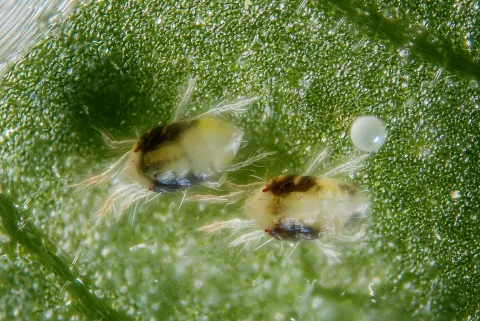
Clean the leaves with a clean wet sponge. This removes dust and improves photosynthesis. It's also a way of preventing mite infestations.
 Prune
You can remove dead palms, i.e. Those that are dry and yellowed. To do this, use pruning shears and cut at the base of the leaf.
 Planting
When the risk of frost has passed, it's time to plant.
Soak the rootball while working the soil. Choose a sunny spot sheltered from the wind.
Dig a hole 50 cm deep and 60 cm wide. Place gravel, pebbles or pozzolan at the bottom for drainage. Pour in a layer of substrate, made up of garden soil, universal potting soil and sand. Plant your Dwarf fan palm in the center, making sure that the rootball is level with the soil. If necessary, loosen the root ball.
Fill in the soil with a mixture of potting soil and garden soil and water for the first time. You can mulch the base with bark, pozzolan or gravel to retain moisture.
 Sowing
Once the risk of frost has passed, you can sow your Chamaedorea elegans seeds.
Soak seeds in hot water for 48 to 72 hours. Don't hesitate to change the water if it becomes cloudy.
Prepare a mixture composed of :
- one-third potting soil for green plants ;
- one third heather soil ;
- one third perlite.
Fill a terrine or 1-liter pierced pots with this mixture. Sow the seeds, covering them with a centimetre of potting soil. Water the substrate regularly to keep it moist, and place your seedlings in a well-lit room with a temperature of at least 20 degrees. After a month, the seeds will germinate.
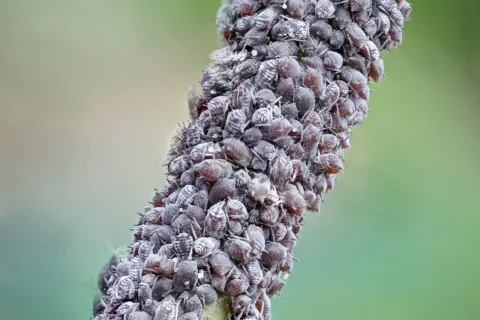
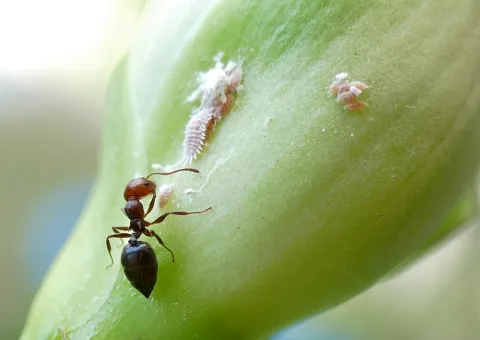
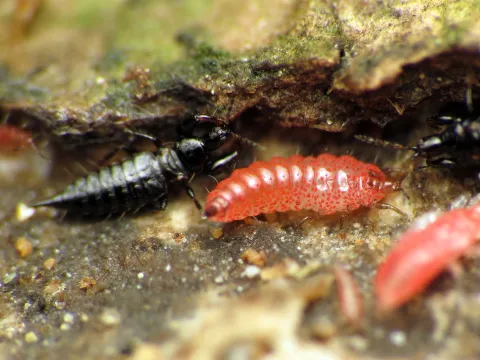
Diseases / Threats
Information
- Lifecycle
- Perennial
- Foliage
- Evergreen
- Exposures
- SunHalf-shadeShade
- Substrates
- Humus soilSandy soil
- Planting methods
- Open groundIn potsIn tubs
- Tag
- Toxic
- Origin
- Central America
- Hardiness (USDA)
- 9a (-6.7°C ≤ T° < -3.9°C)
- Leaf colors
- Dark greenLight green
- Flower color
- Yellow
- Fruit color
- Yellow
Discover plants from the same family
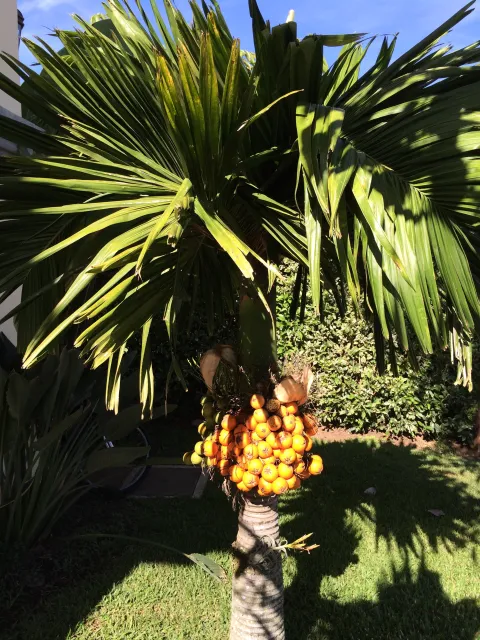
Betel palm
Areca catechu
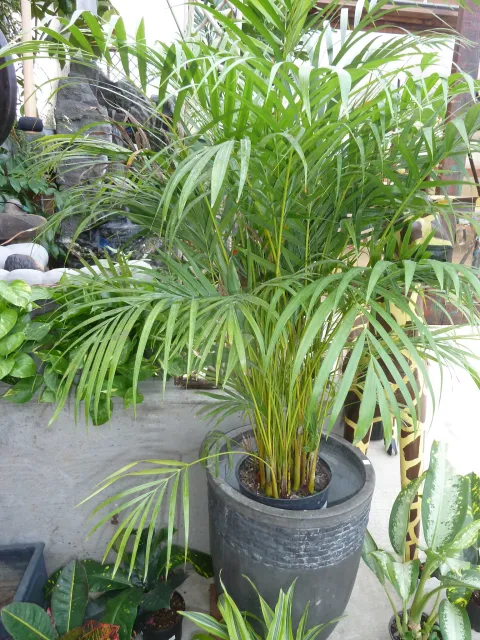
Areca palm
Dypsis lutescens
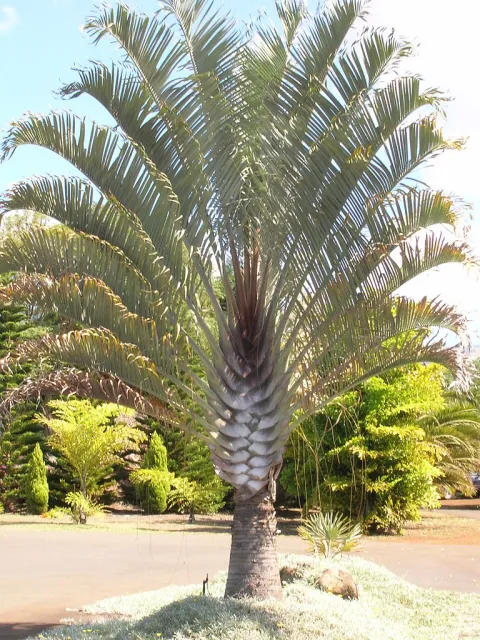
Triangle palm
Dypsis decaryi

Canary palm
Phoenix canariensis
Find out more
- Areca palm
- Kentia
- At Servane's, plants for sunshine and good luck
- Seven tips to avoid killing your houseplants in winter
- Nine tips for maintaining your closed terrarium
- Which plants to choose for a closed terrarium?
- Why do the leaves on my plant have brown tips?
- Non-toxic houseplants for cats, dogs and other pets
- 15 plants for lightless interiors
Find all our tips in the Monstera application