Celosia cristata, cockscomb amaranth
Celosia cristata
- Exposure
- Sun
- Hardiness (USDA)
- 11a (4.4°C ≤ T° < 7.2°C)
- Lifecycle
- Annual
- Foliage
- Evergreen
- Family
- Amaranthaceae
- Genus
- Celosia
- Species
- Celosia argentea
Other name:Celosia argentea cristata
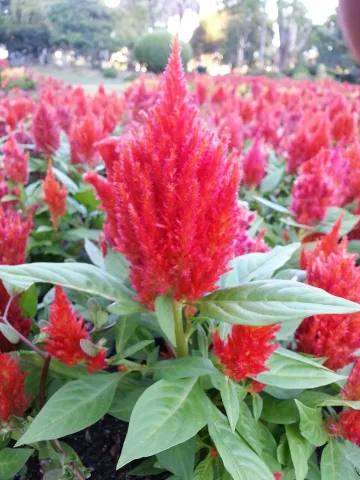
Nature lovers see corals in it. Frankenstein fans see a brain. But one thing is certain: the inflorescence of Celosia cristata sparks the imagination! Including that of gardeners. While some have classified Celosia cristata as a distinct variety, others see no difference between it and Celosia argentea. Botany sides with the latter and considers Celosia cristata a synonym of Celosia argentea.
How can you recognize cockscomb (Celosia cristata)?
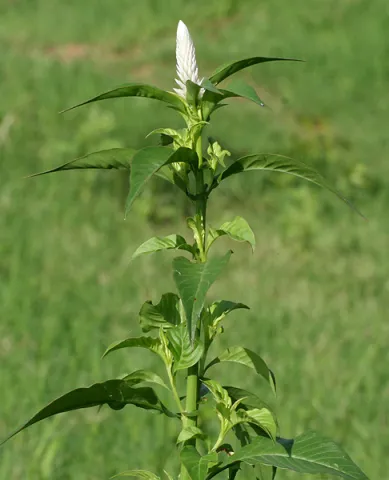
A bushy, upright annual plant, Celosia cristata rarely exceeds 50 centimeters in height and 30 centimeters in spread.
Its lanceolate leaves, with slightly wavy edges, grow in a spiral pattern along a single, ribbed stem. Depending on the variety, their green color can be very vivid or even take on purple or violet hues.
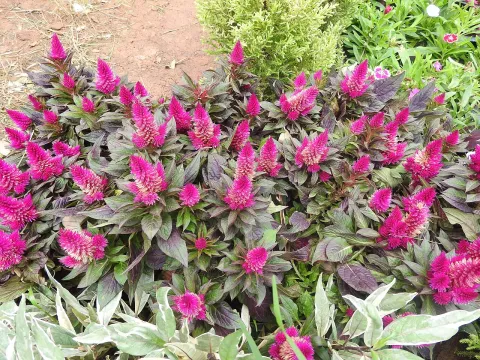
Celosia cristata gets its name from its inflorescence. The small, downy flowers are arranged in a flared crest or fan shape. Their color depends on the cultivar; they can be yellow, pink, red, purple, solid-colored, or bicolored…
Is silver celosia (Celosia argentea) toxic?
Celosias are not toxic. You can plant them in your garden without worry, even if you have children or pets.
Better yet, the plant's foliage is edible. In Africa, it's actually a popular ingredient in cooking: its leaves are eaten cooked, just like spinach.
Our care tips
Celosia cristata are not hardy. Make sure all risk of frost is eliminated before installing your plant outdoors. Outside tropical climates, you'll need to grow it as an annual and replant it every year.
 Watering
Celosia cristata appreciate moderate, regular watering. Between two applications of water, leave the potting soil to dry out by two or three centimetres. Check this simply by touching the soil.
Always use water at room temperature to avoid thermal shock, which can damage the roots.
Be sure to remove any standing water in the saucer or planter.
 Fertilization
You can stimulate the growth of your plant during its growth phase, in spring and summer, with fertilizer.
Celosia cristata are heavy feeders. Use a flowering plant fertilizer to stimulate growth.
 Prune
You can remove wilted flowers as they appear.
 Pulling out
Gently remove the plant by pulling at the base of the stem. Then remove the remaining roots to aerate the soil and prevent disease.
 Planting
Once the last spring frosts have passed, you can plant.
Dig a hole slightly larger than the root ball. If planting several plants, space them at least 30 cm apart.
Plant your Celosia cristata. The top of the rootball should be level with the ground and the collar should not be buried. Fill in with a mixture of garden soil, potting soil and sand.
Water to encourage rooting.
 Sowing
You can start seedlings indoors when the days get longer.
Fill pots with a light, well-draining potting mix, such as seed-starting and planting mix. Plant 2 to 3 seeds per pot and press them 2 cm deep. Water lightly.
Place your seedlings under cover, indoors or in a greenhouse. Ideal conditions? A temperature of 18 to 22 °C and bright exposure.
Water regularly to keep the soil moist, but not soggy. You can also take your seedlings outside for a few hours a day, when temperatures allow, to acclimate them to the outdoors.
Frequently asked questions
Is celosia cristata perennial?
Celosia cristata is an annual plant. It has a short life cycle, generally lasting less than a year. This is even truer outside its natural environment. In fact, the plant cannot tolerate temperatures below 10°C and dies as soon as the first frost appears. However, in tropical climates, when conditions are optimal, celosia cristata can live for several years.
Can celosia be grown in pots?
Yes, you can grow celosia in a pot, tub or window box. Choose a perforated container to ensure good drainage and nutrient-rich soil. Adapt the size of your pot to the size of your plant (or vice versa) to give your Celosia cristata room to grow.
Is celosia cristata a houseplant?
No. Celosia cristata is an outdoor plant. It doesn't do well in apartments, which are too dry and dark. Its indoor life is often limited. If you still want to give it a try, be sure to give it plenty of light andprotect it from draughts.
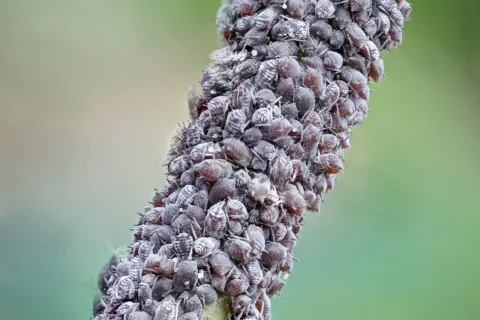
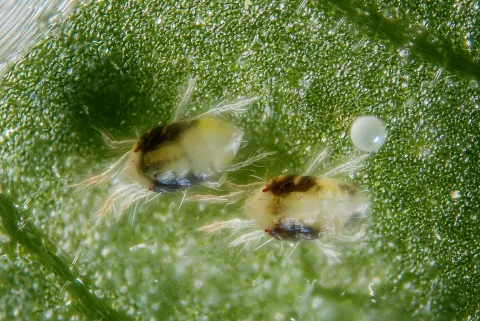
Diseases / Threats
Information
- Lifecycle
- Annual
- Foliage
- Evergreen
- Exposure
- Sun
- Substrate
- Humus soil
- Planting methods
- Open groundIn potsIn tubsPlanter
- Categories
- HerbaceousFlowery
- Tags
- BeginnerFloweryCold-sensitive
- Origins
- West AfricaEast AfricaCentral Africa
- Hardiness (USDA)
- 11a (4.4°C ≤ T° < 7.2°C)
- Leaf color
- Light green
- Flower colors
- RedRoseYellowOrangeFuchsiaVioletPale pinkPurpleLilac
Discover plants from the same family
Find out more
Find all our tips in the Monstera application








