Iresine diffusa f. herbstii, Herbst's Iresine
Iresine diffusa f. herbstii
- Exposures
- Sun, Half-shade
- Hardiness (USDA)
- 10b (1.7°C ≤ T° < 4.4°C)
- Lifecycle
- Perennial
- Foliage
- Evergreen
- Family
- Amaranthaceae
- Genus
- Iresine
- Species
- Herbst Iresine Iresine diffusa f. herbstii
Other names:Iresine herbstii, Iresine diffusa
Chicken gizzard, bloodleaf, or beefsteak plant…English speakers have no shortage of vivid and gory terms to rename Iresine diffusa f. Herbstii. In French, it was decided that the scarlet foliage spoke for itself, so they chose not to add to it. This plant from the Amaranthaceae family, native to Peru, has been simply nicknamed Herbst's Iresine.
How can you identify Herbst's Iresine, Iresine diffusa f. Herbstii?
Herbst's Iresine is a perennial herbaceous plant with an upright, bushy growth habit. In the wild, it reaches two meters in height. When cultivated, it does not exceed 60 centimeters in height and spreads 45 centimeters.
The red stems are covered with cilia at the nodes. Fleshy and branched, they can be erect or trailing.
The heart-shaped or oblong leaves are two to six centimeters long. They have prominent veins that are glossy and lighter in color than the rest of the foliage. Their color varies by variety. In Iresine diffusa f. Herbstii, the leaf blades are purple. Iresine herbstii 'Purple Lady' and iresine herbstii 'Acuminata' range in color from purple to raspberry. Only iresine herbstii 'Aureoreticulata' has green leaves.
Pale yellow or greenish-white flowers bloom in summer. They are arranged in panicles and measure up to 1.5 centimeters.
Herbst's Iresine then produces fruit. The fruit resembles membranous capsules.
Iresine diffusa f. Herbstii is not toxic. That's good news for gardeners who need to keep plants and pets together!
Our care tips
There's a simple trick to finding out if your Bloodleaf is thirsty. Look at its foliage. If the plant sags and looks limp, it needs water. Once watered, it will regain its upright habit.
 Watering
Wait until the surface of the soil has dried by two or three centimetres before watering again.
Pour in water at room temperature. The substrate should be moist but not soggy. Drain any water that collects in the cup or planter.
 Misting
Spraying foliage with non-calcareous water (e.g. Mineral water or rainwater) helps to maintain humidity levels.
 Repotting
Every year in the spring, repot your Iresine diffusa f. Herbstii to give it more space.
Obtain a pierced pot with a slightly larger diameter than the previous one (two centimetres larger, for example). You can line the bottom with a bed of clay balls to optimize drainage.
Herbst Iresines need a rich, aerated substrate. Mix perlite (approx. 10%) with potting soil for green plants. Pour in a layer of soil.
Plant your Bloodleaf in the center of the pot. Add potting soil and tamp lightly. Water with room-temperature water to encourage rooting and remove air bubbles.
 Fertilization
To promote the growth of your Iresine diffusa f. Herbstii, apply fertilizer in spring and summer.
Apply a special green plant fertilizer every three weeks to stimulate foliage growth.
 Prune
Pruning before wintering helps the plant regenerate.
Do a winter pruning to force the plant into dormancy. Shorten stems with clean, sharp pruning shears. Remove about half the year's growth.
 Pinch
Pinch your Iresine diffusa f. Herbstii during its growing season.
Use your fingers to pinch the tips of the branches. This forces the plant to create new branches and helps maintain a compact habit.
 Planting
When the risk of frost has passed, it's time to plant.
Plant your Bloodleaf in partial shade or full sun. However, make sure the plant is not facing due south. The midday sun's rays may scorch its foliage.
Dig a hole slightly larger than the root ball. Place a little compost at the bottom. Plant your shrub. Mix your garden soil with heather soil and use this mixture to backfill the hole.
Apply a layer of organic mulch at least five centimeters thick. This will help keep the soil cool and reduce the need for watering during the summer.
 Taking cuttings
Propagation by cuttings is carried out during the strong growth phase, generally in spring and early summer.
Using your pre-cleaned scissors, remove a ten- to fifteen-centimeter stem (about three nodes). Remove the leaf at the base of your cutting.
Pour potting soil into a bucket. Plant your cutting in the center.
Cover with a transparent bag or place in a mini greenhouse. Propagation works best under cover. Set up in a bright room with a temperature of at least 20°.
Mist the substrate to keep it moist, and aerate for a few minutes a day.
Diseases / Threats
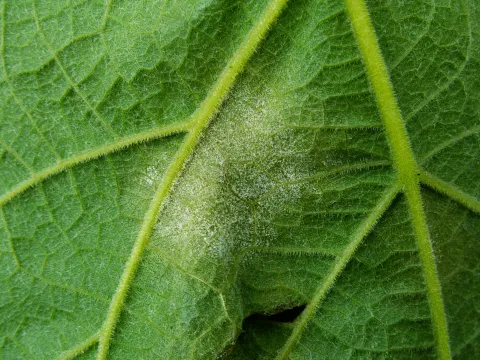
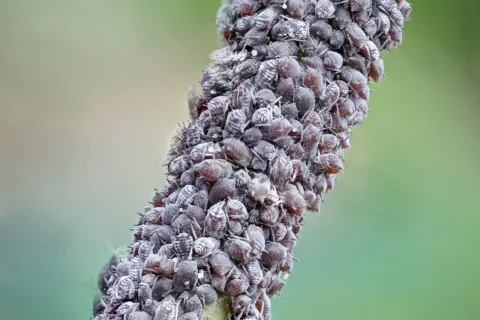
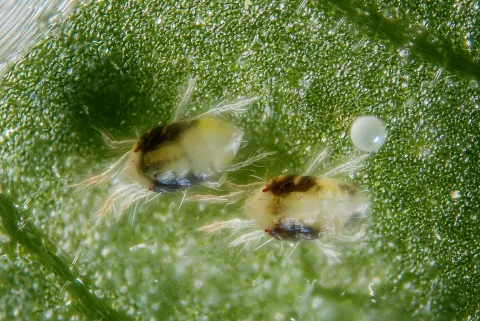
Information
- Lifecycle
- Perennial
- Foliage
- Evergreen
- Exposures
- SunHalf-shade
- Substrate
- Humus soil
- Planting methods
- Open groundIn potsIn tubsPlanter
- Categories
- IndoorHerbaceous
- Tags
- Cold-sensitiveThirsty
- Origin
- South America
- Hardiness (USDA)
- 10b (1.7°C ≤ T° < 4.4°C)
- Leaf color
- Purple
- Flower colors
- WhitePale green
Discover plants from the same family
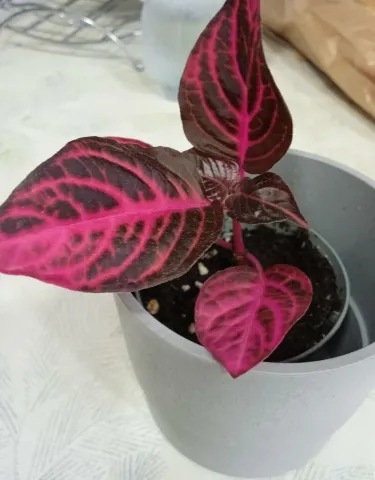

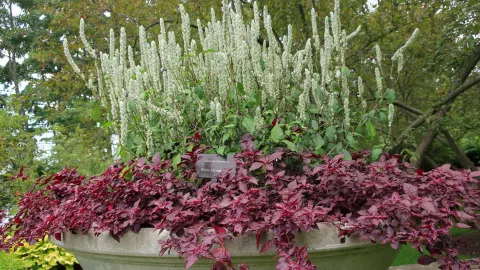
Iresine 'Purple Lady'
Iresine herbstii ‘Purple Lady’
Find all our tips in the Monstera application








