Our growing guides


309
Results
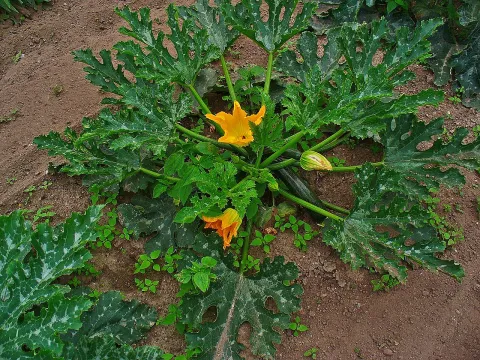
Zucchini
Cucurbita pepo
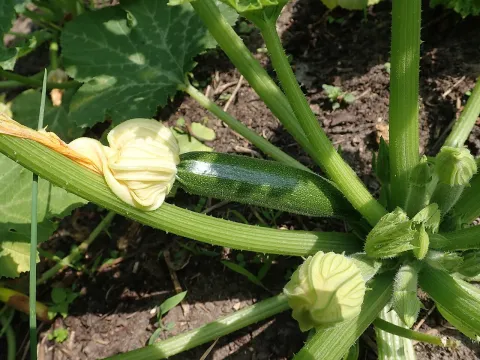
Non-running zucchini
Cucurbita pepo
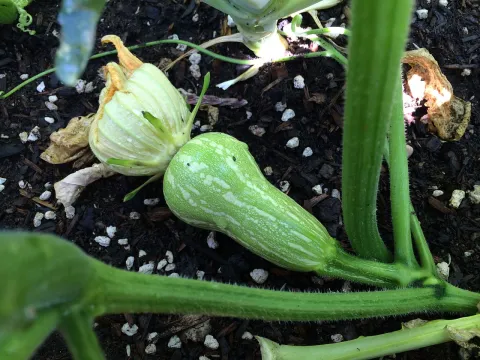
Zucchini coureuse
Cucurbita pepo

False papyrus
Cyperus alternifolius

Papyrus
Cyperus papyrus


Squirrel's foot fern
Davallia trichomanoides


Dieffenbachia 'Green Magic
Dieffenbachia oerstedii

Mute cane
Dieffenbachia seguine

Dieffenbachia 'Camilla
Dieffenbachia seguine 'Camilla'

Dionée attrape-mouche
Dionaea muscipula

Dionée attrape-mouche 'All Green
Dionaea muscipula 'All Green'

Dionée attrape-mouche 'Red Dragon
Dionaea muscipula 'Red Dragon'


Fragrant Dragonwood
Dracaena fragrans

Fragrant Dragonwood 'Lemon lime
Dracaena fragrans 'Lemon lime'

Dragonwood reflexa
Dracaena reflexa

Dragonwood reflexa var. angustifolia
Dracaena reflexa var. angustifolia

Drosera multifida
Drosera bianata var. multifida


Drosera dichotoma
Drosera binata var. dichotoma
Herbaceous
Herbaceous plants do not constitute a botanical category in the strict sense. According to the Académie française, this term encompasses “everything that is of the nature of grass.” In other words, it's a broad category… Yet coleus, the date palm, and the violet do share some common traits.
Characteristics of herbaceous plants
When the “Immortals” refer to the nature of grass, they are referring to three characteristics:
· color: herbaceous plants are generally green (all shades are accepted);
· scent: herbaceous plants give off a fragrance similar to that of grass;
· texture: the above-ground stem of herbaceous plants is flexible, even soft.
Herbaceous plants have flexible stems because they contain very little lignin, unlike the trunks of trees, shrubs, and vine-like plants. Because of this characteristic, banana plants, pineapples, palm trees, and bamboo are giant herbs, not trees. Their pseudostems are stems that contain almost no wood.
Choosing Herbaceous Plants Based on Their Life Cycle
Annual herbaceous plants complete their life cycle in one year and then die. Before doing so, they disperse their seeds to give rise to new plants. The short-lived flowers of the poppy, marigold, morning glory (Convolvulus tricolor), and sunflower brighten up your garden for the duration of a summer. In the vegetable garden, you'll need to replant tomatoes, radishes, peas, and green beans every year. Finally, plants such as parsley, basil, and savory are considered annuals.
The life cycle of biennial plants lasts two years. They grow during the first year and bloom in the second. If you're not in a hurry to see your garden burst into color, you can plant biennial herbaceous plants such as foxglove, snapdragon, pansy, hollyhock, or primrose. You'll also have to wait two years before harvesting beets, wild carrots, cabbage, spinach, broccoli, and fennel.
Varieties that live longer than two years are called perennials. If you don't want to sow seeds every year, opt for sedum, St. John's wort, periwinkle, angel's hair, thyme, chives, houseleek, and ferns. Cardoon, spinach sorrel, and wild garlic will provide you with a harvest every year.
Our houseplants, such as alocasias, Monstera, calatheas, and pothos, are tropical perennial species. They are not very hardy, and when planted in the ground, they cannot withstand the harsh winter conditions. They behave like annuals. When grown indoors, they can live for several years. Offshoots, layering, and cuttings can help extend the plant's lifespan.








