Running zucchini: creeping or climbing varieties
Cucurbita pepo
- Exposure
- Sun
- Hardiness (USDA)
- 10b (1.7°C ≤ T° < 4.4°C)
- Lifecycle
- Annual
- Foliage
- Deciduous
- Family
- Cucurbitaceae
- Genus
- Cucurbita
- Species
- Squash Cucurbita pepo
Among the many zucchini varieties available, some stand out for their spectacular growth: these are the running zucchini. Although they require more space, they offer generous production and a harvest that lasts several weeks. Ideal for large vegetable gardens... Or vertical cultivation.
How to recognize a zucchini (Cucurbita pepo)?
Like zucchinis (Cucurbita pepo), running varieties are native to Mexico. They are cultigens, plants resulting from selections made by man over the centuries.
Running zucchini have a creeping or climbing habit. The plant rarely exceeds one metre in height. However, its stems can extend from 2 to 10 meters, crawling along the ground or clinging to a support (trellis, stake, fence).
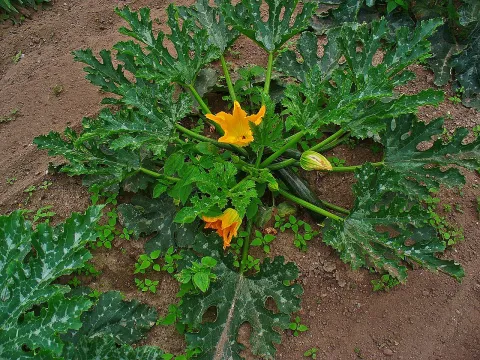
The dense, dark-green foliage is covered with a light down. Leaves are broad, cut into five to seven irregular, more or less pronounced lobes.
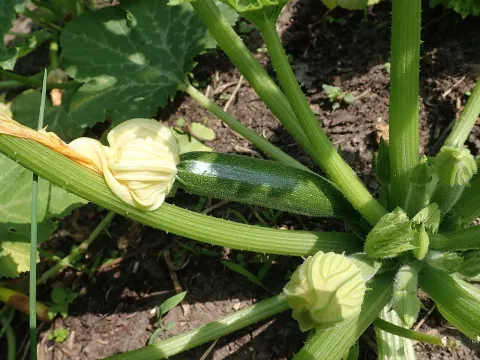
The orange-yellow flowers have five petals and are funnel-shaped. Each zucchini plant bears both :
- Male flowers, growing on a long, slender stem;
- Female flowers, swollen at the base.
Only the female flowers give rise to the fruit, also known as zucchini.
In running zucchini, the fruit is elongated or round, measuring up to 50 centimetres long or just 10 centimetres in diameter. Color also depends on the variety. The vegetable can be green, yellow, white, plain or striped..
Inside the fruit are oval, flattened, white seeds with a protruding edge.
What varieties of zucchini are there?
Of the more than 230 varieties of zucchini on the market, many are runners. They can be grown in the ground, without support, space permitting. However, in small gardens or on balconies, they can be trained to climb vertically.
Among running zucchini, we distinguish :
Early zucchini, which can be harvested 50 days after sowing;
Early zucchinis, which are harvested between 70 and 90 days after sowing.
Early zucchinis, which are harvested between 70 and 90 days after sowing.
Here are the most common zucchini varieties:
- 'Shooting Star': elongated yellow fruit, ideal for climbing;
- zephyr': thin, bicolored yellow and green, slightly swollen;
- Longue de Nice: a late variety with green or ochre fruits that can reach a meter;
- tromba d'Albenga': elongated, green to ochre fruits;
- black Forest': climbing variety with long, dark-green zucchini;
- coucourouzelle': dark-green fruit with light-green stripes.
Is zucchini toxic?
Zucchini fruits and flowers are edible and can be used in many recipes. However, some squash and zucchini become toxic when they contain a high concentration of cucurbitacin.
This naturally bitter substance causes digestive disorders (nausea, vomiting) in humans and animals. Wild varieties are the most affected, but accidental hybridization with a cultivated plant can render a zucchini unfit for consumption. Before cooking your vegetables, taste a small piece of raw zucchini. If it tastes bitter, don't eat it.
Our care tips
Non-running zucchinis produce fruit from April to November. Greedy for water and nutrients, they need to be watered and fertilized regularly.
 Watering
The floor should always be kept slightly damp. Don't let it dry out more than a centimeter.
Water at the base, taking care not to wet the foliage. Make two passes at five or ten-minute intervals to make sure your plant has had enough to drink.
 Fertilization
Non-running zucchinis are greedy plants. Fertilize them to obtain an abundant harvest. You can use :
- A liquid fertilizer for vegetable plants;
- A natural fertilizer such as compost, nettle purin or manure.
 Prune
Prune
Prune your Cucurbita pepo as it grows to boost production.
Remove wilted and damaged leaves. Cut flush with the stem using clean, sharp pruning shears.
Prune stems that bear neither flowers nor fruit at the base. This allows the plant to concentrate on the others.
 Planting
Your plant needs space. Don't wait to plant it! Do it as soon as you get it.
Non-running zucchinis need space. Plant only one foot per square meter. Make sure you also grow several plants next to each other, to guarantee pollination and the appearance of flowers and fruit!
Work the soil deeply. Spade at least 45 cm and remove weeds, roots and stones.
Dig a hole three times as deep as the root ball. Place a layer of compost or manure at the bottom. Fill the hole with garden soil or potting compost. The roots of your Zucchini coureuse must not come into direct contact with the fertilizer. They could burn.
Soak the root ball of your Zucchini coureuse and place it in the ground. Bury the plant up to the base of the first leaves.
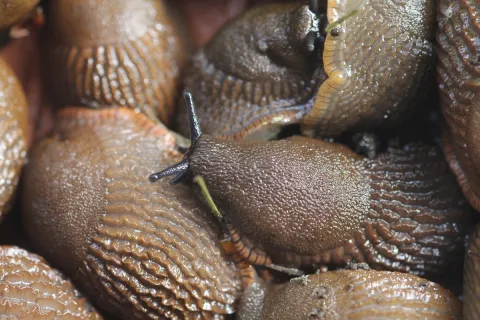
Water generously and mulch the soil to conserve water and protect against slugs.
 Sowing
Once the risk of frost has passed, you can sow your Cucurbita pepo seeds.
Let one or two fruits ripen. Open them to harvest the seeds.
Please note that only seeds from non-F1 varieties will produce new plants. F1 varieties are sterile.
Fill pots with potting soil. Place a seed from zucchini coureuse in each pot. Cover with one or two centimetres of soil and water.
Non-running zucchinis are light and frost-hardy. Keep them in a sheltered, bright place.
Frequently asked questions
What is a climbing zucchini?
Climbing zucchini is a vertically-grown running zucchini. It doesn't climb naturally like a traditional climbing plant, but can be trained on a trellis, wire mesh or solid stake.
This technique saves space in the vegetable garden, improves aeration of the foliage and limits contact of the fruit with the soil, thus reducing the risk of disease and rot. Growing high up also makes harvesting and plant observation easier.
What is a running zucchini?
A running zucchini is a variety of zucchini whose stems grow longer and spread out over the ground, sometimes for several meters. Unlike non-running zucchini, it does not form a compact plant, but develops long, creeping branches. This type of zucchini is appreciated in spacious vegetable gardens, as it offers abundant production spread over time. On the other hand, it requires more space.
What are the best companions for running zucchini in the vegetable garden?
Runner zucchini appreciate the company of plants that promote biodiversity and limit pests and diseases. Good companions include :
- Legumes (beans, peas), which enrich the soil with nitrogen;
- Aromatic plants such as basil and dill, which repel certain insects;
- Flowers, such as nasturtiums or marigolds, which attract pollinators and beneficial insects;
- Root vegetables, such as radishes or beet, which occupy other soil levels.
On the other hand, it is advisable to avoid planting zucchinis in close proximity to potatoes, peas, fennel or other cucurbits, to limit competition and the spread of disease.
Diseases / Threats
Information
- Lifecycle
- Annual
- Foliage
- Deciduous
- Exposure
- Sun
- Substrate
- Humus soil
- Planting methods
- Open groundIn potsIn tubs
- Categories
- VegetableHerbaceous
- Tags
- BeginnerFritillaryEdible flowerEdible vegetable
- Origin
- North America
- Hardiness (USDA)
- 10b (1.7°C ≤ T° < 4.4°C)
- Leaf color
- Dark green
- Flower colors
- YellowOrange
- Fruit colors
- Dark greenLight greenWhiteYellowPale yellowGreen-gray
Discover plants from the same family
Zucchini
Cucurbita pepo
Non-running zucchini
Cucurbita pepo
Pumpkin
Cucurbita maxima
Pumpkin
Cucurbita maxima
Find out more
Find all our tips in the Monstera application