Oxalis triangularis, a plant full of surprises
Oxalis triangularis
- Exposures
- Sun, Half-shade
- Hardiness (USDA)
- 9a (-6.7°C ≤ T° < -3.9°C)
- Lifecycle
- Perennial
- Foliage
- Deciduous
- Family
- Oxalidaceae
- Genus
- Oxalis
- Species
- Triangular Oxalis Oxalis triangularis
Other name:Oxalis papilionacea
In the wild, Oxalis triangularis thrives in the wetlands of Paraguay, Argentina, Bolivia, and Brazil. It covers the banks of waterways and carpets the marshes. In our part of the world, this false clover from the Oxalidaceae family is grown for its foliage and its anise-like flavor.
How can you identify the false clover, Oxalis triangularis?
Oxalis triangularis is a spreading herb. It grows to 30 centimeters tall and 50 centimeters wide. The plant develops from tuberous roots covered with scales.
False clover has no above-ground stem. The leaves grow in a rosette from the rhizomes. They are supported by long, white, soft petioles.
The green leaf blades consist of three triangular leaflets with their tips pointing downward. Some see a heart in them, others a butterfly. If you observe your plant closely, you'll notice that the foliage of your triangular oxalis changes throughout the day. When night falls, the temperature cools, or a storm is brewing, the leaf blades fold up like umbrellas. When the sun returns, they unfurl once more.
Oxalis triangularis blooms from spring through fall. The umbel-shaped inflorescence bears up to nine pale pink flowers. Each flower consists of a corolla with five rounded lobes and ten stamens.
The false clover is edible. Its leaves, tubers, and flowers can be eaten by humans. But be careful not to overindulge! Oxalis triangularis, like oxalis triangularis 'Atropurpurea' and oxalis tetraphylla, contains oxalic acid. In excessive amounts, this substance can cause calcium deficiency, digestive disorders, and kidney problems. The plant is considered toxic to animals. Ingestion causes vomiting.
Our care tips
The Oxalis triangularis are easy-going plants. They only need regular watering, except during the wintering period.
 Watering
Water your Purple Shamrock when the soil is dry on the surface, using non-calcareous water. The soil should remain slightly moist and fresh, especially in summer. But it must not be waterlogged, otherwise the roots may rot.
 Misting
Mist foliage to increase humidity and repel pests. Always spray with rainwater. Tap water is too hard and leaves white marks on the leaves.
 Repotting
In spring, transfer your Oxalis triangularis to a larger pot, so that it can continue to grow.
The Oxalis triangularis are fast-growing plants. They need to be repotted every year.
Choose a pierced pot one size larger than the previous one. Fill the bottom with clay balls or gravel to promote drainage.
Then pour in potting soil for green plants. To make it lighter, you can mix it with sand or perlite.
Plant your Purple Shamrock. Fill with substrate and tamp to remove air bubbles. Water for the first time straight away.
 Fertilization
You can stimulate the development of your plant during its growth phase, in spring and summer, with fertilizer.
Supplement watering with a houseplant fertilizer to promote the development of your Oxalis triangularis.
If you have just repotted, wait six to eight weeks before starting to fertilize.
 Prune
Cut dead leaves with a sharp, clean tool.
Pruning before wintering helps the plant regenerate.
Cut stems flush with the ground using pruning shears or scissors. Remember to clean your tools before use to prevent the spread of disease.
 Planting
Once the last spring frosts have passed, you can plant.
Work the soil with a spade to a depth of about fifteen centimetres. You can enrich the soil with compost to encourage growth.
Plant the pseudobulbs five to eight centimetres underground. If you're planting several plants, space them ten centimetres apart.
Tamp to eliminate air bubbles and water for the first time to help the plants take root.
 Taking cuttings
Propagation by cuttings is carried out during the strong growth phase, generally in spring and early summer.
Carefully dig up your Purple Shamrock. Locate a rhizome with at least two or three shoots. Separate it from the mother plant with a clean, sharp knife or pruning shears. Remove leaves, a rhizome and roots.
You can multiply your Purple Shamrock by taking stem cuttings. Place your stem in a glass of water at room temperature. Change the water regularly to keep it clear.
Whena bulb and roots appear on the immersed end, repot your graft.
Propagation by cuttings is carried out during the strong growth phase, generally in spring and early summer.
Carefully dig up your Purple Shamrock. Locate a rhizome with at least two or three shoots. Separate it from the mother plant with a clean, sharp knife or pruning shears. Remove leaves, a rhizome and roots.
Prepare a perforated pot lined with a drainage layer, such as gravel or clay balls. Then fill it with potting soil for green plants.
Plant your bulb in the center. Bury it at a depth of twice its size. Pay attention to the direction! The tip should face upwards and the rhizomes downwards.
 Wintering
The Oxalis triangularis are naturally at rest. When you notice that your plant is wilting and no longer producing new leaves, you can help it to go into dormancy.
Install your Purple Shamrock in a dark room with a temperature between 5 and 12 degrees. A cellar or garage is ideal. Stop watering and fertilizing until the end of the wintering period.
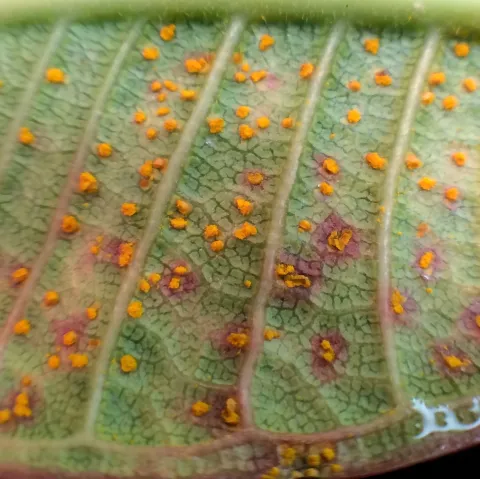
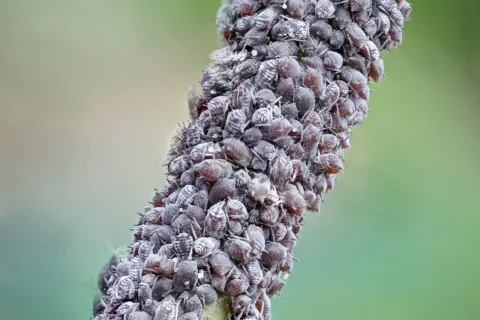
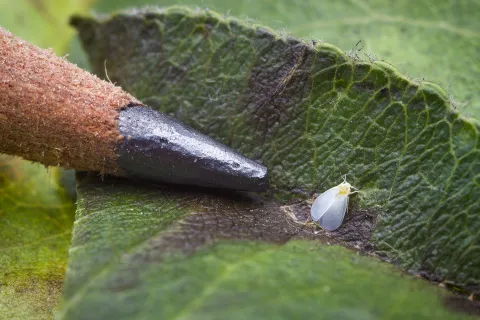
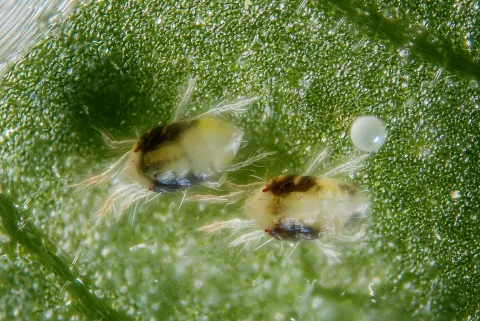
Diseases / Threats
Information
- Lifecycle
- Perennial
- Foliage
- Deciduous
- Exposures
- SunHalf-shade
- Planting methods
- Open groundIn potsIn tubsPlanter
- Tags
- FloweryToxicEdible flower
- Origin
- Central America
- Hardiness (USDA)
- 9a (-6.7°C ≤ T° < -3.9°C)
- Leaf color
- Light green
- Flower color
- Pale pink
Discover plants from the same family

Purple shamrock
Oxalis triangularis 'Atropurpurea'

Four-leaved Oxalis
Oxalis tetraphylla
Find out more
Find all our tips in the Monstera application








