Philodendron pastazanum 'Silver', a philo worth its weight in gold
Philodendron pastazanum 'Silver'
- Exposures
- Sun, Half-shade
- Hardiness (USDA)
- 11b (7.2°C ≤ T° < 10°C)
- Lifecycle
- Perennial
- Foliage
- Evergreen
- Family
- Araceae
- Genus
- Philodendron
- Species
- Philodendron pastazanum
Other names:Philodendron peltatum, Philodendron ser. Rupicola “Silver Pastazanum”
The silvery leaves of Philodendron pastazanum have captured your heart and you'd like to add this specimen to your collection? Be prepared to make a few sacrifices. In addition to being hard to find, this variety of Philodendron pastazanum is also more expensive than its big brother.
How to recognize Philodendron pastazanum 'Silver'?
Philodendron pastazanum 'Silver' is a creeping perennial. Smaller than philodendron 'Ring of Fire, it doesn't grow more than a metre high, and is just as spreading when fully grown.
The thick, cordate leaves measure up to 45 centimetres in all directions. Bright green, with silver veins and pronounced veins. They are supported by a long, flat, winged petiole – which can be as long as the leaf.
Is Philodendron pastazanum 'Silver' toxic?
Philodendron pastazanum 'Silver' is toxic to humans and animals.
All parts (stem, leaves, petioles, roots) contain calcium oxalate crystals. This substance causes digestive problems if ingested, and skin and mucous membrane irritation on contact.
Our care tips
Philodendron pastazanum 'Silver are easy to care for. The plant requires a little attention, a suitable pot and light to develop its decorative foliage.
 Watering
Philodendron pastazanum 'Silver are the enemy of excess water. Before giving your specimen a drink, always make sure the soil is at least five centimetres dry.
Like many plants, the plant prefers rainwater. But it's fine with tap water. Just make sure it's at room temperature.
Remove any water stagnating in the cup under the pot. It can rot the roots.
 Misting
In addition to regular watering, misting prevents the plant from drying out due to heat in summer and heating in winter.
Philodendron pastazanum 'Silver do not like hard water. Preferrainwater or filtered water.
 Repotting
In spring, transfer your Philodendron pastazanum 'Silver' to a larger pot, so that it can continue to grow.
Your Philodendron pastazanum 'Silver' is a creeping plant with shallow roots. It will thrive best in a wide, shallow pierced pot, such as a window box.
Fill the container with potting soil for green plants. To improve drainage, you can incorporate around 20% perlite.
Install your Philodendron pastazanum 'Silver' at the end of the pot. The terminal bud should face forward and have enough space to continue growing. Bury only the roots; the rhizomes should simply rest on the surface of the substrate.
Finish by watering to promote good contact between roots and soil.
 Fertilization
You can stimulate the development of your plant during its growth phase, in spring and summer, with fertilizer.
To promote the growth of your Philodendron pastazanum 'Silver', use a green plant fertilizer.
 Cleaning
Over time, dust accumulates on the leaves. It interferes with photosynthesis and slows plant growth. You can remove it with a clean, damp cloth.
Contact with the plant may cause irritation. Wear gloves and wash your hands when handling the plant.
Contact with the plant may cause irritation. Wear gloves and wash your hands when handling the plant.
 Taking cuttings
Cutting is carried out during the strong growth phase, generally in spring and early summer.
Remove a portion of stem with at least two knots, using a clean, sharp tool. You can use pruning shears or scissors, for example.
Once you have obtained your cutting, place it in a vase or glass filledwith water at room temperature. Make sure the node is completely submerged.
Place your cutting in a bright spot, but out of direct sunlight. Change the water regularly to keep it clear.
Place your cutting in a bright spot, but out of direct sunlight. Change the water regularly to keep it clear.
Frequently asked questions
Where to place Philodendron pastazanum 'Silver'?
Philodendron pastazanum 'Silver' prefers bright, indirect light. Ideally, place it near an east- or west-facing window, protected from direct sunlight which could burn its silvery foliage. If your window faces south, screen it with a curtain or move the plant back. Conversely, a lack of light reduces the intensity of the silvery reflections.
This variety also appreciates :
- A stable temperature of between 18 and 26°C: grow it in a heated interior;
- High humidity (60% or more if possible): grow it close to other plants;
- A bright, draught-free space: avoid entrances and rooms that are frequently ventilated.
Can Philodendron pastazanum 'Silver' be grown as a climber?
Philodendron pastazanum 'Silver' is not a climber. Unlike many philodendrons, it has a crawling habit: its stem grows horizontally along the substrate. It is therefore preferable to grow it in a wide rather than a deep pot.
It can, however, be guided towards a support, but will not develop as vigorous a climbing habit as the truly epiphytic varieties.
Is Philodendron pastazanum 'Silver' rare?
Yes, Philodendron pastazanum 'Silver' is considered relatively rare on the market.
It is a form selected for its silvery foliage, less common than the classic Philodendron pastazanum. Its availability depends on specialized growers and imports, making it a rare (and expensive) plant.
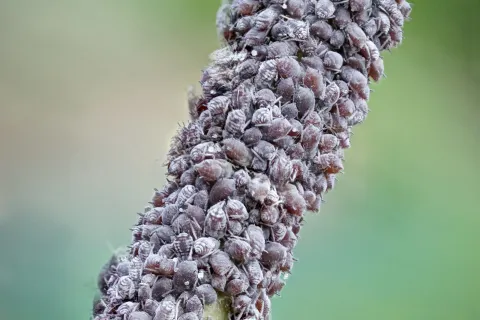
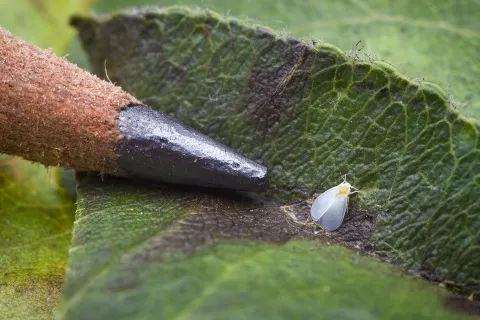
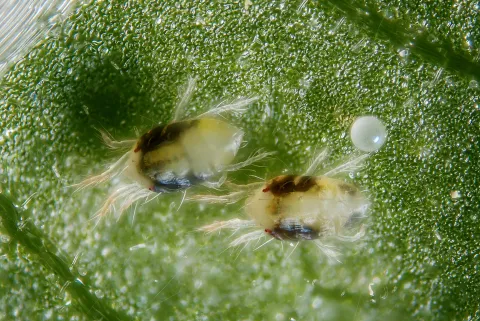
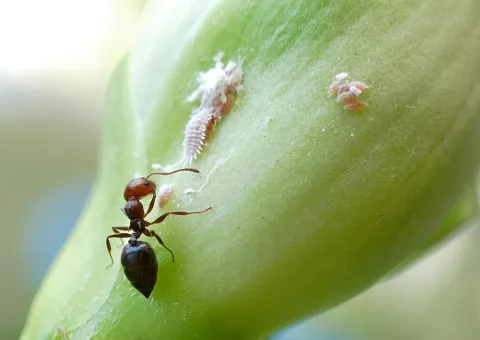
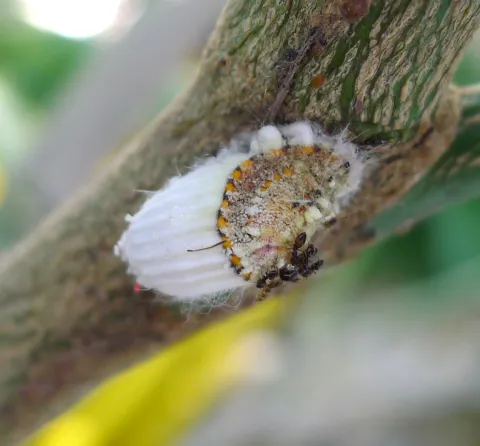
Diseases / Threats
Information
- Lifecycle
- Perennial
- Foliage
- Evergreen
- Exposures
- SunHalf-shade
- Substrate
- Humus soil
- Planting method
- Planter
- Categories
- IndoorRhizomeHerbaceous
- Tags
- Cold-sensitiveLarge potToxic
- Origin
- South America
- Hardiness (USDA)
- 11b (7.2°C ≤ T° < 10°C)
- Leaf colors
- Light greenSilver
Discover plants from the same family
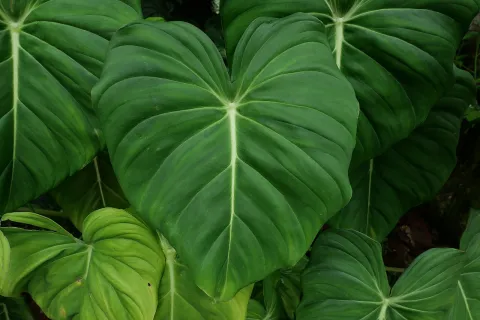
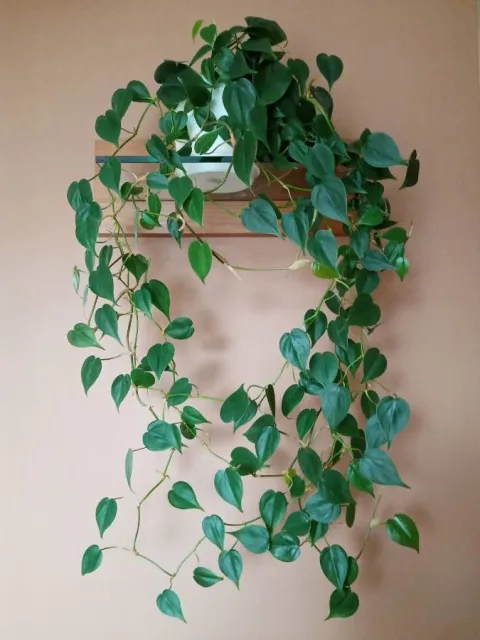
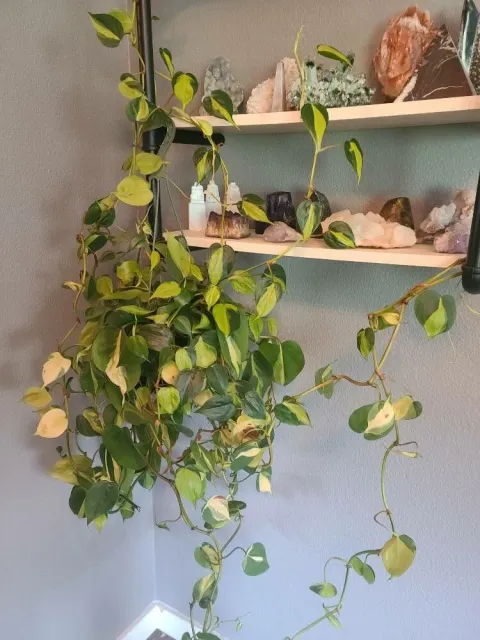
Philodendron Brasil
Philodendron hederaceum 'Brasil'
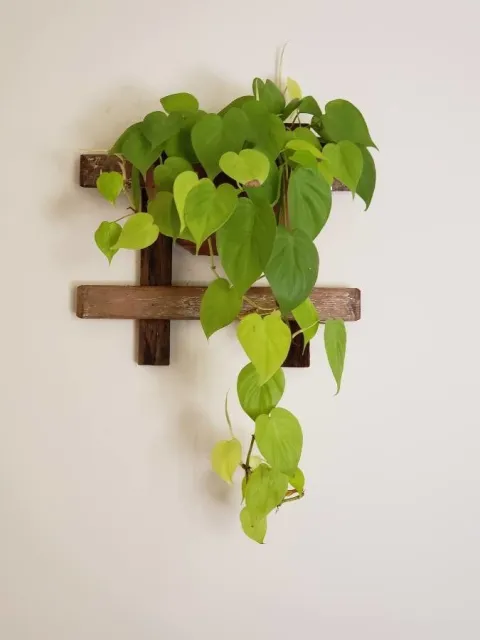
Philodendron Lemon Lime
Philodendron hederaceum 'Lemon Lime'
Find all our tips in the Monstera application