Philodendron 'Ring of Fire', the Philo you can't wait to add to your collection
Philodendron 'Ring of Fire'
- Exposures
- Sun, Half-shade
- Hardiness (USDA)
- 11b (7.2°C ≤ T° < 10°C)
- Lifecycle
- Perennial
- Foliage
- Evergreen
- Family
- Araceae
- Genus
- Philodendron
- Species
- Philodendron wendlandii × tortum
With its pink young shoots and variegations that make each leaf unique, Philodendron 'Ring of Fire' turns collectors' heads. While its beauty is universally acclaimed, its origins remain uncertain. This member of the Araceae family is thought to be a hybrid between Philodendron wendlandii and Philodendron tortum.
How to recognize Philodendron 'Ring of Fire'?
Philodendron 'Ring of Fire' is a perennial plant. It reaches a height of two meters and a spread of 70 cm. If you offer it a stake, it will adopt a climbing habit. But you can also grow it unsupported. In this case, its growth habit is bushy and dense.
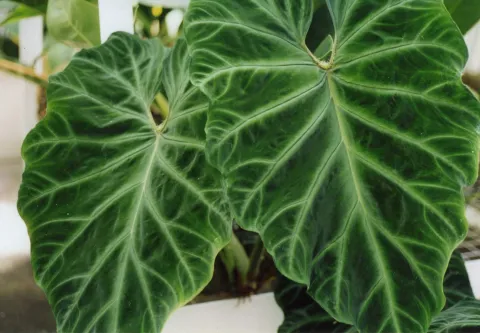
Its leaves are narrow, lanceolate, deeply serrated and pointed. Their distinctive feature: no two are alike. The bright green foliage is variegated with cream, white or yellow, in irregular patterns that make each specimen unique.
Is Philodendron 'Ring of Fire' toxic?
Yes, Philodendron 'Ring of Fire' is toxic. It contains calcium oxalate crystals in all its parts. If ingested, this substance can cause :
- Mouth irritation;
- Mucous membrane burns;
- Digestive disorders.
Contact with the sap may also cause skin irritation in sensitive individuals.
It is therefore recommended to :
- Keep the plant out of the reach of young children and pets;
- Wear gloves when repotting or pruning;
- Wash hands thoroughly after handling.
Our care tips
Ring of Fire' Philodendrons are not difficult to care for. Regular watering, a little moisture, a pot optimized for drainage and a little fertilizer are all that's needed.
 Watering
To find out if your plant is thirsty, stick your finger in the soil. When the surface is dry (about three centimetres), then you need to water your Philodendron 'Ring of Fire'. Ring of Fire' Philodendrons like moisture, but not stagnant water. Make sure that the potting soil remains moist, but that the rootlets are not drowned.
If you can, use non-calcareous water such as rainwater or filtered water.
Also make sure that water doesn't stagnate in the saucer or planter.
If you can, use non-calcareous water such as rainwater or filtered water.
Also make sure that water doesn't stagnate in the saucer or planter.
 Misting
Fogging helps to increase humidity and prevent pest invasion. Spray the foliage with fresh water, such as rainwater. Avoid tap water. Too hard, it leaves white marks on the leaves.
 Repotting
Every year in the spring, repot your Philodendron 'Ring of Fire' to give it more space.
Philodendron 'Ring of Fire likes to be cramped. Re-pot only when the roots begin to emerge from the pot.
In a pierced terracotta pot, pour a layer of clay balls. Add a mixture of houseplant potting soil and perlite.
Clean the root ball of your Philodendron 'Ring of Fire' by removing the remains of the previous substrate. Place your specimen in the center of the pot and cover with potting soil. To allow the roots to breathe, pack gently as you go along.
Philodendron 'Ring of Fire if you like stakes for hanging, don't hesitate to supply one.
 Fertilization
To promote the growth of your Philodendron 'Ring of Fire', apply fertilizer in spring and summer.
If you want to speed up your plant's growth, feed your Philodendron 'Ring of Fire' with a green plant fertilizer.
 Cleaning
The dust that accumulates on foliage hinders photosynthesis and the growth of your Philodendron 'Ring of Fire. You can remove it with a damp cloth or clean sponge.
 Pinch
Pinch
Pinch your Philodendron 'Ring of Fire' during its growing season.
Ring of Fire' Philodendrons These are not plants that are pruned. If your plant grows larger than your living room, you can pinch off the tip of the stem. The plant will stop growing upward and produce new leaves at its base.
Remember that the sap and leaves can cause irritation! Be sure to wear gloves when handling your plant.
Remember that the sap and leaves can cause irritation! Be sure to wear gloves when handling your plant.
 Taking cuttings
Cutting is carried out during the strong growth phase, generally in spring and early summer.
Using a clean, sharp tool (pruning shears or scissors, for example), remove a section of stem with at least two nodes. Remove the lower leaves and keep only the upper pair.
Immerse the lower part of your cutting inclear water at room temperature. Make sure the level remains even and the liquid clean.
Protect your cutting from direct sunlight.
Protect your cutting from direct sunlight.
Frequently asked questions
Where should I place my Philodendron 'Ring of Fire'?
Philodendron 'Ring of Fire' likes a bright spot, but away from the hottest rays. Indoors, place it less than a meter from a window, ideally facing east or west. If it faces south, add a curtain or move the plant back so that the sun doesn't damage its foliage.
Is philodendron a houseplant?
Most Philodendrons, such as Philodendron 'Ring of Fire', philodendron 'Birkin and philodendron pastazanum, are houseplants. But there are also moderately hardy species, such as philodendron bipinnatifidum, which can be grown outdoors in oceanic or Mediterranean climates.
Are 'Ring of Fire' philodendrons rare?
At present, 'Ring of Fire' philodendrons are rare. Few stores sell them, and their price is relatively high.
Diseases / Threats
Information
- Lifecycle
- Perennial
- Foliage
- Evergreen
- Exposures
- SunHalf-shade
- Substrates
- Clay soilHumus soilSandy soil
- Planting method
- In pots
- Categories
- ClimberIndoorHerbaceous
- Tags
- Cold-sensitiveToxic
- Origin
- South America
- Hardiness (USDA)
- 11b (7.2°C ≤ T° < 10°C)
- Leaf colors
- Dark greenLight greenCream
Discover plants from the same family
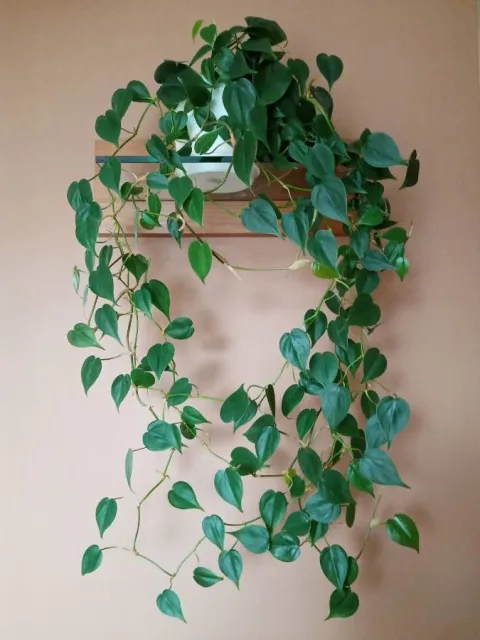
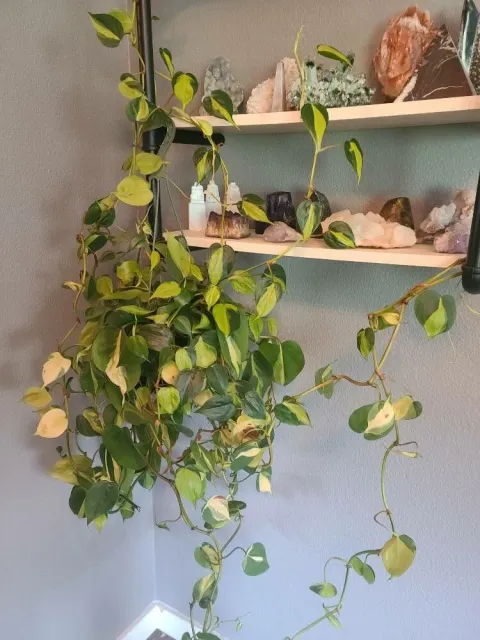
Philodendron Brasil
Philodendron hederaceum 'Brasil'
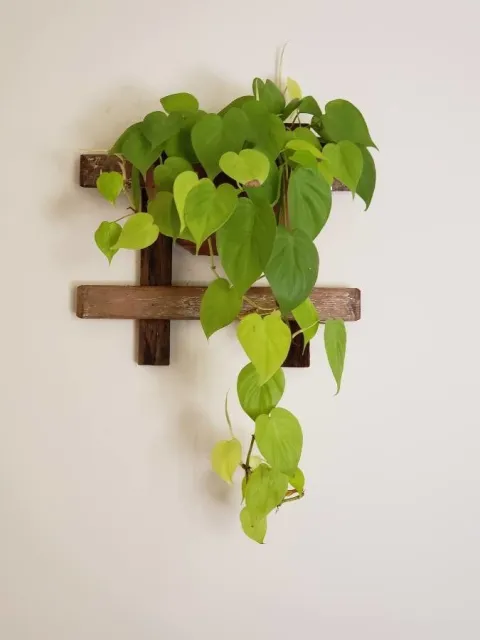
Philodendron Lemon Lime
Philodendron hederaceum 'Lemon Lime'
Find out more
Find all our tips in the Monstera application