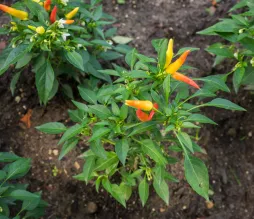
Red pepper Capsicum frutescens

Green pepper Capsicum frutescens

Capsicum frutescens pepper

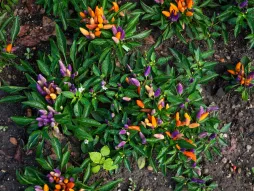
White pepper flowers Capscium frutescens

Capsicum frutescens pepper in the ground
Contents
Find all our tips in the Monstera application


Capsicum frutescens, a hot little pepper
Contents
Find all our tips in the Monstera application
Scientific classification
Family
Solanaceae
Type
Capsicum
Species
Pepper - Capsicum frutescens
Other names:Capsicum annuum var. frutescens, Capsicum indicum, Capsicum indicum var. berberideum
Less volcanic than chilli pepper Capsicum chinense chilli pepper, Capsicum frutescens is no less formidable. It's what gives the famous Tabasco sauce its caliente taste. This pepper, native to an area stretching from southern Mexico to northern Brazil, has been cultivated for centuries for its potency and productivity. It generally scores between 30,000 and 50,000 units on the Scoville scale: a clean, persistent intensity, ideal for spicing up sauces and marinades.
How to recognize Capsicum frutescens?
Capsicum frutescens is a perennial plant with a tropical climate. It is grown in regions subject to frost:
- Indoors as an ornamental pepper;
- In the vegetable garden or outdoors as an annual.
It forms a small, upright bush, reaching around 60 to 80 cm in height with a spread half that.
Its stem lignifies with age and branches abundantly. Each branch bears bright green, glossy, narrow leaves. Oval to elliptical, they have pointed apices.
The star-shaped flowers have petals fused at the base. Creamy white, they have purple anthers. As they are hermaphroditic and self-pollinating, they can all bear fruit.
These elongated, smooth peppers measure 2 to 4 cm. Unlike other species with hanging fruits, they often point upwards. Green when first formed, they turn bright red when ripe.
What are the Capsicum frutescens varieties?
The best-known variety is the Tabasco pepper, used in the eponymous sauce. This species also includes several types of "bird " or pili-pili chillies, which are very popular in West Indian and African cuisine.
Is Capscium frutescens toxic?
The fruit of Capsicum frutescens is edible, but its high capsaicin content means it should be eaten in moderation (it ranks 8th out of 11 on the Scoville scale). Excessive ingestion can cause mouth burns, digestive irritation and temporary discomfort.
When harvesting or preparing the plant, it is advisable to wash hands thoroughly - and even wear gloves - to avoid accidental contact with eyes or mucous membranes.
Leaves, on the other hand, contain solanine and alkaloids in quantities that can be harmful if ingested, particularly by pets.
Our maintenance tips
Peppers are greedy plants. Don't grow them two years in a row in the same spot. Then plant bulbous or root vegetables to rebalance the soil.
They are also sensitive to frost. Wait until all risks have been eliminated before planting them in the ground.
They are also sensitive to frost. Wait until all risks have been eliminated before planting them in the ground.
 Watering
Water your plant generously during the growing season.
Keep the soil cool and moist, but not soggy.
Water, preferably with rainwater, at the foot of your Capsicum frutescens.
Adapt your watering when the days get shorter.
Water the base of your Pepper when the substrate surface is dry. Do not wet the leaves to avoid the development of diseases and fungi. Watering is best done with rainwater at room temperature.
Water moderately to keep the soil fresh. Avoid watering if the ground is frozen to preserve the roots.
 Repotting
Obtain a pierced pot or tub 30 to 60 cm deep and 15 to 25 cm in diameter.
Pour clay balls or gravel at the bottom to make a drainage layer.
Fill your pot with a rich, light substrate. Use vegetable potting soil (80%) with a little perlite (20%).
Plant your Capsicum frutescens. The crown should be level with the soil. Fruits can be large and heavy. Add a stake to prevent stem breakage. Pack gently and water.
You can mulch the base to retain moisture and cover the plant with a tunnel if the nights are still cool.
Pour clay balls or gravel at the bottom to make a drainage layer.
Fill your pot with a rich, light substrate. Use vegetable potting soil (80%) with a little perlite (20%).
Plant your Capsicum frutescens. The crown should be level with the soil. Fruits can be large and heavy. Add a stake to prevent stem breakage. Pack gently and water.
You can mulch the base to retain moisture and cover the plant with a tunnel if the nights are still cool.
 Fertilization
Fertilize until the first fruits appear.
Apply a fertilizer rich in nitrogen and potassium, such as a special tomato fertilizer.
 Harvest
Harvesting begins in summer and lasts until the first frosts.
When the fruit has stopped growing and its skin is shiny, you can harvest it.
You can pick the fruit as soon as it's green, or wait until it changes color. The flavor will then be sweeter and the flesh thicker.
Slice off the stalk with a knife and remove the fruit carefully, so as not to damage your Capsicum frutescens.
 Prune
Prune
Prune after the second wave of fruit appears.
When your plant has formed its first two waves of fruit, shorten the branches one leaf above the last fruit.
If you live in a region with little sunshine, deadhead your plants when they bear around ten fruits. This way, the plant will concentrate its energy on harvesting rather than growing.
 Plantation
When the risk of frost has passed, it's time to plant.
Prepare the soil by adding compost. Make a planting hole slightly larger than the root ball.
Plant your Pepper. The collar should be level with the ground and not buried. Add a stake to support the stems: fruit can become heavy and cause them to break. Pack and water.
If planting several specimens, space them at least 50 cm apart.
Mulch the base to retain moisture. You can also install a tunnel to protect your young plants from cool nights.
Plant your Pepper. The collar should be level with the ground and not buried. Add a stake to support the stems: fruit can become heavy and cause them to break. Pack and water.
If planting several specimens, space them at least 50 cm apart.
Mulch the base to retain moisture. You can also install a tunnel to protect your young plants from cool nights.
 Seedling
Peppers seedlings need a temperature of at least 20°C to germinate(ideally 24°C). Grow your seedlings indoors, using a heated mini-greenhouse or heat mat if necessary.
Pour a drainage layer into cups or a terrine, followed by potting soil for seedlings and plantations. Water: the substrate should be moist, but not soggy.
Plant your seeds. You can plant them in rows in your seed tray, or arrange three seeds per cup. Cover the seeds with a thin layer of potting soil (about 5 mm).
Water regularly to keep the soil fresh and aerate your mini-greenhouse to prevent rotting.
Pour a drainage layer into cups or a terrine, followed by potting soil for seedlings and plantations. Water: the substrate should be moist, but not soggy.
Plant your seeds. You can plant them in rows in your seed tray, or arrange three seeds per cup. Cover the seeds with a thin layer of potting soil (about 5 mm).
Water regularly to keep the soil fresh and aerate your mini-greenhouse to prevent rotting.
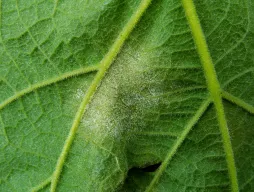
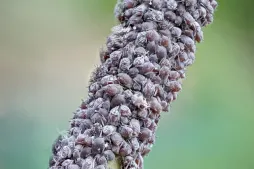
Diseases / Threats
Information
| Lifecycle | Perennial |
| Foliage | Evergreen |
| Exposure | |
| Substrat | |
| Planting methods |
Open ground In pots In tubs Planter |
| Categories |
Vegetable |
| Tags |
Beginner Fritillary Soiffarde Edible vegetable |
| Origins |
Central America South America |
| Hardiness (USDA) | 12a (10°C ≤ T° < 12.8°C) |
| Leaf color |
|
| Flower colors |
|
| Fruit colors |
|
Discover plants from the same family