Ornithogalum thyrsoides, a summer-flowering ornithogale
Ornithogalum thyrsoides
- Exposures
- Sun, Half-shade
- Hardiness (USDA)
- 9b (-3.9°C ≤ T° < -1.1°C)
- Lifecycle
- Perennial
- Foliage
- Deciduous
- Family
- Asparagaceae
- Genus
- Ornithogale Ornithogalum
- Species
- Ornithogalum thyrsoides
Other names:Ornithogalum bicolor, Eliokarmos thyrsoides, Myogalum thyrsoides, Eliokarmos coarctatum, Lomaresis alba, Myogalum coarctatum, Ornithogalum coarctatum
Native to South Africa, Ornithogalum thyrsoides belongs to the Asparagaceae family. Its large white flowers are perfect for attracting bees and making fragrant bouquets.
How to recognize Ornithogalum thyrsoides?
Ornithogalum thyrsoides measures up to 60 centimetres in height and 20 centimetres in spread. It is a bulbous perennial with a bushy, semi-erect habit.
Rolling leaves grow on the lower part of the stem. Light green, they can exceed 20 centimeters. Foliage is deciduous. As with ornithogalum saundersiae, it begins to wilt before flowering.
The flowers are grouped in a thyrse at the top of an erect flowering spike. Each spike can bear more than twenty flowers, which open gradually, starting with those at the base. The star-shaped flowers have six white and yellow stamens and six oval, white tepals with a yellow base. The fragrant bloom lasts all summer and attracts many pollinators.
Once pollinated, the flowers give rise to elongated pods. These fruits contain shiny black seeds.
Ornithogalum thyrsoides is toxic. All parts of the plant, especially the bulb, contain cardiotoxic glycosides. They are dangerous to humans and, above all, animals. If ingested, they cause vomiting, diarrhea, excessive salivation and abdominal pain. In severe cases, they can also cause heart problems (arrhythmia, bradycardia or fibrillation).
Our care tips
The care cycle of Ornithogalum thyrsoides depends on its flowering period. You need to take care of it during the vegetative period and do little or nothing for the rest of the year.
 Watering
Water your plant generously during the growing season.
Water your Ornithogalum thyrsoides when the soil surface is at least three centimetres dry.
Use non-calcareous water at room temperature, such as rainwater.
After 20 minutes, empty the planter or saucer. Stagnant water can rot the roots.
During the rest of the year, adjust the watering of your Ornithogalum thyrsoides.
Sprinkle lightly with non-calcareous water at room temperature. Simplymoisten the substrate to prevent it from drying out completely.
 Repotting
Once the foliage and flowers have faded, you can repot.
Once the flowers and leaves have faded, repot your Ornithogalum thyrsoides in a pierced pot or window box.
Ornithogalum thyrsoides plants that are well drained are happy with a universal substrate. Mix two-thirds potting soil for green or flowering plants with pozzolan or perlite. You can also use garden soil (50%), sand (25%) and universal potting soil (25%).
Place a layer of substrate at the bottom of your pot. Plant your bulbs, pointing upwards, at a depth of five centimetres. Cover with soil and leave the plant in a bright spot.
 Fertilization
Apply a fertilizer for flowering plants or green plants diluted with water.
 Planting
Once the last spring frosts have passed, you can plant.
Choose a sunny or semi-shady location. Hoe the soil to a depth of about 20 centimetres. Remove stones, weeds and roots.
Plant your bulbs, pointing upwards, at a depth of five centimetres. When planting several bulbs, space them at least fifteen centimetres apart. If your soil is very compact or clayey, add a handful of sand to the hole.
 Taking cuttings
Cutting is carried out during the strong growth phase, generally in spring and early summer.
Dig up bulbs after the leaves have wilted. If they have given rise to bulblets, separate them.
Find a location in sun or half-shade. Work the soil to a depth of 20 centimetres to aerate it. Remove weeds, stones and roots.
Plant your bulbs pointing upwards. They should be about five centimetres underground. If you're planting several ornithogalum thyrsoides, space them at least fifteen centimetres apart.
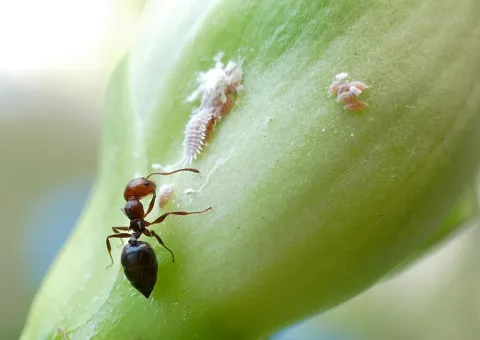
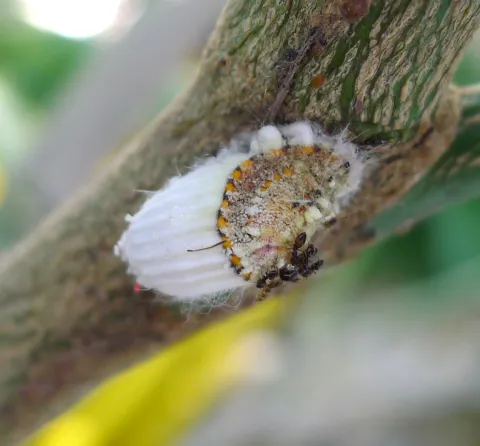
Diseases / Threats
Information
- Lifecycle
- Perennial
- Foliage
- Deciduous
- Exposures
- SunHalf-shade
- Substrates
- Calcareous earthHumus soilSandy soil
- Planting methods
- Open groundIn potsPlanter
- Categories
- BulbFlowery
- Tags
- FloweryToxic
- Origin
- South Africa
- Hardiness (USDA)
- 9b (-3.9°C ≤ T° < -1.1°C)
- Leaf color
- Light green
- Flower color
- White
Discover plants from the same family
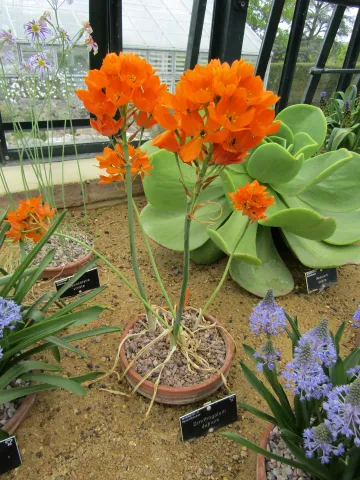
Ornithogale douteux
Ornithogalum dubium
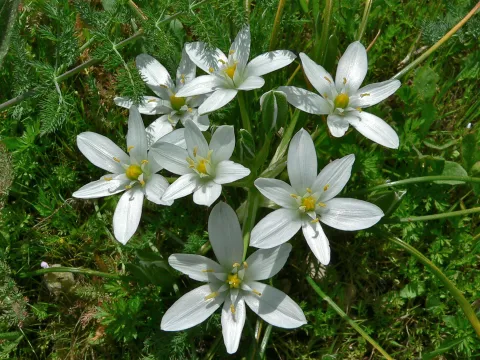
Eleven o'clock beauty
Ornithogalum umbellatum
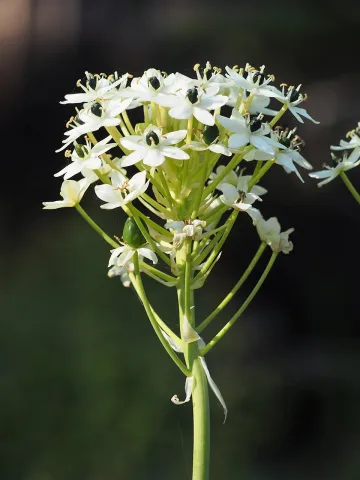
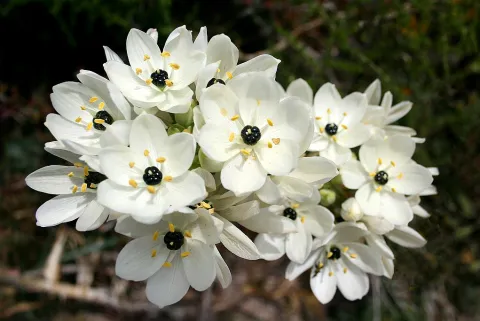
Star of Bethlehem
Ornithogalum arabicum
Find out more
Find all our tips in the Monstera application