Ornithogalum dubium, the orange-flowered ornithogale
Ornithogalum dubium
- Exposures
- Sun, Half-shade
- Hardiness (USDA)
- 9a (-6.7°C ≤ T° < -3.9°C)
- Lifecycle
- Perennial
- Foliage
- Deciduous
- Family
- Asparagaceae
- Genus
- Ornithogale Ornithogalum
- Species
- Ornithogale douteux Ornithogalum dubium
Other names:Ornithogalum flavescens, Eliokarmos dubius, Myogalum flavescens, Ornithogalum alticola, Ornithogalum aureum, Ornithogalum brownleei, Ornithogalum citrinum, Ornithogalum fergusoniae
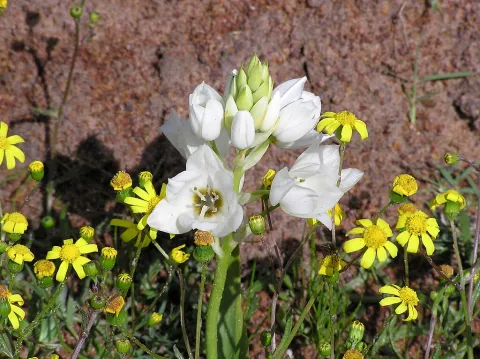
Ornithogalum dubium, sometimes called dubious ornithogale, owes its nickname to its unusual appearance. Unlike other species in the genus with white flowers, such as ornithogalum arabicum (Ornithogalum arabicum), it is distinguished by its bright, colorful, often orange bloom.
How to recognize Ornithogalum dubium?
Ornithogalum dubium is a flowering bulbous perennial. It can reach 50 centimetres in height.
Foliage forms a rosette of three to eight upright, ribboned green leaves. They form a tuft at the base of the stem. The leaves are deciduous and disappear after the flowering period, once the bulb has built up its reserves.
Each bulb produces several pruinose flower stalks up to 25 centimetres long. These bear cylindrical inflorescences, housing between five and twenty-five flowers. The star-shaped flowers have orange petals and a brown heart. In its native South Africa, Ornithogalum dubium blooms in winter. In the northern hemisphere, it blooms between December and March when grown indoors, and in summer when planted outdoors.
After flowering, the dubious ornithogale produces a round fruit containing shiny black seeds,
Like many bulbous plants, Ornithogalum dubium is toxic to animals and humans. All parts are affected, but the toxins are particularly concentrated in the bulb. If ingested, Ornithogalum dubium causes digestive disorders (diarrhea, vomiting), nausea and cardiac symptoms (arrhythmia, bradycardia or fibrillation).
Our care tips
The care cycle of Ornithogalum dubium depends on its flowering period. You need to take care of it during the vegetative period and do little or nothing for the rest of the year.
 Watering
Water your Ornithogalum dubium regularly during the growing season.
To know if you need to water, touch the soil. Water only when the surface of the substrate is dry (two to three centimeters). Use non-calcareous water, such as rainwater, at room temperature.
To prevent the roots from suffocating, don't leave standing water in the saucer or planter.
To prevent the roots from suffocating, don't leave standing water in the saucer or planter.
During the rest of the year, adjust the watering of your Ornithogalum dubium.
Sprinkle lightly with non-calcareous water at room temperature. Simplymoisten the substrate to prevent it from drying out completely.
 Repotting
Once the foliage and flowers have faded, you can repot.
Once the flowers and leaves have faded, repot your Ornithogale douteux in a pierced pot or window box.
Ornithogalum dubium plants that are well drained are happy with a universal substrate. Mix two-thirds potting soil for green or flowering plants with pozzolan or perlite. You can also use garden soil (50%), sand (25%) and universal potting soil (25%).
Place a layer of substrate at the bottom of your pot. Plant your bulbs, pointing upwards, at a depth of five centimetres. Cover with soil and leave the plant in a bright spot.
 Fertilization
Apply a fertilizer for flowering plants or green plants diluted with water.
 Prune
Prune
To make your Ornithogale douteux bloom again, prune the plant after it has finished flowering.
Prune the flowering stem flush after flowering. Use a clean, sharp tool, such as secateurs.
Keep the leaves as long as they are green. They allow the bulb to replenish its reserves. Once the foliage has turned yellow, cut off the leaves.
 Planting
Choose a sunny or semi-shady location. Hoe the soil to a depth of about 20 centimetres. Remove stones, weeds and roots.
Plant your bulbs, pointing upwards, at a depth of five centimetres. When planting several bulbs, space them at least fifteen centimetres apart. If your soil is very compact or clayey, add a handful of sand to the hole.
 Taking cuttings
The best time to take cuttings is after your Ornithogalum dubium has bloomed.
Dig up bulbs after the leaves have wilted. If they have given rise to bulblets, separate them.
Re-pot your bulb in a pierced pot or window box.
You'll need a substrate that's not very rich, but well drained. For example, you can mix potting soil (25%), sand (25%) and garden soil (50%). You can also make a mixture of potting soil for green or flowering plants (75%) and pozzolan or perlite (25%).
Fill your pot with substrate. Plant your bulbs, pointing upwards, at a depth of five centimetres. Then place your cuttings in a bright spot.
Diseases / Threats
Information
- Lifecycle
- Perennial
- Foliage
- Deciduous
- Exposures
- SunHalf-shade
- Substrates
- Calcareous earthHumus soilSandy soil
- Planting methods
- Open groundIn potsPlanter
- Tags
- FloweryToxic
- Origin
- South Africa
- Hardiness (USDA)
- 9a (-6.7°C ≤ T° < -3.9°C)
- Leaf color
- Light green
- Flower color
- Orange
Discover plants from the same family
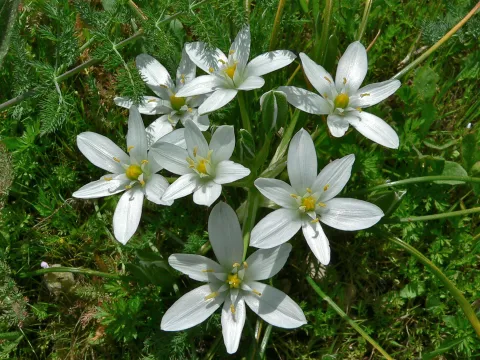
Eleven o'clock beauty
Ornithogalum umbellatum
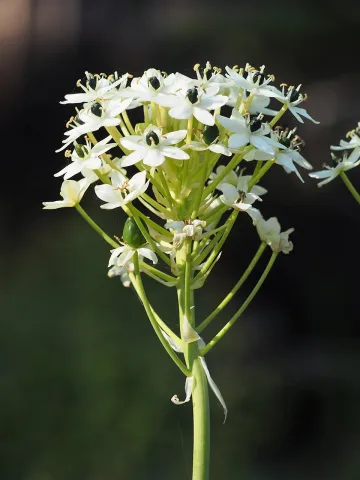
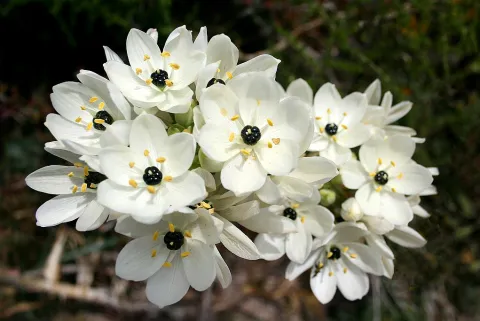
Star of Bethlehem
Ornithogalum arabicum
Find out more
Find all our tips in the Monstera application