Colocasia esculenta, a giant and colorful plant
Colocasia esculenta
- Exposures
- Sun, Half-shade
- Hardiness (USDA)
- 9a (-6.7°C ≤ T° < -3.9°C)
- Lifecycle
- Perennial
- Foliage
- Semi-evergreen
- Family
- Araceae
- Genus
- Colocasia
- Species
- Colocasia esculenta
Other names:Arum esculentum, Caladium esculentum, Colocasia esculenta var. typica, Leucocasia esculenta, Colocasia antiquorum var. esculenta
Nicknamed “elephant ear,” “taro,” or “Caribbean cabbage,” Colocasia esculenta grows wild from India to China. Its giant, colorful leaves make it a striking plant for our gardens and homes.
How can you identify Colocasia esculenta?
Colocasia esculenta can reach two meters in height and nearly the same span. Depending on the hybrid and cultivar, the plant may have an upright, trailing, bushy, or compact growth habit.
Colocasia esculenta is a perennial tuberous plant in its natural habitat. In other regions—whether in the garden or indoors—it is grown as an annual, overwintered during the cold season so it can regrow in the spring.
The plant grows from cylindrical tubers called corms. Their beige, scaly outer layer encloses white or pink flesh. The largest corms weigh up to four kilograms.
The spongy stem can reach two meters in height. Its color—green, purple, or even red—varies depending on the variety.
The leaves unfurl in a spiral pattern. The entire, heart-shaped, and sometimes arrow-shaped leaf blades can exceed 80 cm in length and 60 cm in width. The botanical variety has green foliage. However, the leaves:
- Have purple veins and highlights in colocasia 'Madeira';
- Have a white center in colocasia 'White Lava';
- Are an almost black purple in colocasia 'Black Magic'Colocasia esculenta rarely flowers outside its natural habitat. The flower takes the form of a trumpet-shaped spathe, surrounding a spadix. The spadix bears 1-centimeter-long flowers that are white, pink, cream, or yellow.The fruits, on the other hand, are barely 5 mm in size. The orange berries contain two to five seeds.
Is Colocasia esculenta toxic?
Colocasia esculenta belongs to the Araceae family. Its sap contains calcium oxalate crystals, which can cause irritation and digestive problems. You should keep it out of reach of pets and wear gloves when handling it.However, the plant is toxic only when eaten raw. Its leaves and tuberous roots can be eaten when cooked. In fact, they are used in Asian cuisine.
Our care tips
Colocasia esculenta are demanding plants. They thrive in humidity but cannot tolerate standing water. They like light but not direct sunlight. And above all, they are sensitive to cold and drafts.
Grown as houseplants, colocasia esculenta can also be planted outdoors as annuals.
 Watering
Colocasia esculenta likes its feet in water. Its root ball must always remain moist. Water before the soil dries on the surface, using water at room temperature. Preferably use rainwater.
To limit the risk of water stress, plant your Colocasia esculenta in a container with a water reserve. Don't have one? Place the pot on a saucer filled with water. This way, your plant will be able to drink by capillary action.
 Misting
Mist the foliage with non-calcareous water at room temperature. This will temporarily increase humidity and prevent pest attacks.
 Repotting
Every year in the spring, repot your Colocasia esculenta to give it more space.
Get a pot with drainage holes that is about 20 cm in diameter. Preferably choose one made of plastic. This material retains moisture better.
Prepare a rich, well-draining substrate. Mix equal parts of:
- Potting soil for houseplants;
- Perlite or vermiculite.
Fill your pot with the substrate and plant your Colocasia esculenta. Cover it with 5 cm of soil. Water generously.
 Fertilization
Add green plant fertilizer to watering water.
To promote the growth of your Colocasia esculenta, apply fertilizer in spring and summer.
Add green plant fertilizer to watering water.
 Prune
To encourage the growth of your Colocasia esculenta, prune regularly.
You don 't need to prune colocasia esculenta. Old leaves fall off naturally, leaving the leaf scars on the false trunk.
However, if you find the yellow leaf blades unsightly, you can remove them with clean pruning shears. Cut off the petiole two centimeters from the stem. It will fall off after a few days.
If you're growing your Colocasia esculenta for its foliage, remove the flowers as soon as they appear. Flowering requires a lot of energy and comes at the expense of new leaf growth. Prune the flower cluster at the base with clean pruning shears.
Remove dry leaves to prevent the spread of disease.
Warning! The plant is toxic. Wear gloves when pruning to protect yourself.
 Planting
Work the soil deeply to loosen it. If your soil is poor, mix in compost to enrich it.
If you're planting a tuber, dig a hole about 5 to 10 cm deep. Plant it with the buds facing upward. Cover it with five centimeters of fine soil. Don't pack the soil down too tightly to help the young shoots emerge.
If you 're planting a mature Colocasia esculenta, soak its root ball to rehydrate it. Dig a hole the size of the root ball, place your plant in it, and gently firm the soil around it. Water generously to encourage root establishment.
When the risk of frost has passed, it's time to plant.
Choose a spot in partial shade, sheltered from the wind. Colocasia esculenta like slightly acid soil. To please them, add a little heather soil to your garden soil.
Look at your tuber. Locate the rounded part, the eye. It should point upwards. The flatter surface, which gives rise to the roots, should point downwards.
Dig a hole five centimeters deep and plant your bulb. Cover with a layer of soil. If you're planting several colocasia esculenta, space them out by fifteen centimeters.
 Taking cuttings
Propagation by cuttings is carried out during the strong growth phase, generally in spring and early summer.
Identify the young tubers that have formed around the main bulb and check that each one has at least one bud and a few roots. Gently detach them from the mother plant by separating them by hand or using a sharp, pre-disinfected tool, such as a knife.
Your young shoots will grow quickly. Prepare a pot with drainage holes that is at least 20 cm in diameter. Fill it with a well-draining mix, such as equal parts potting soil for houseplants and perlite or vermiculite.
Plant your Colocasia esculenta. Firm the soil and water to encourage root growth.
 Wintering
Colocasia esculenta naturally go dormant. When you notice that your plant is becoming etiolated and no longer producing new leaves, you can help it to go into dormancy.
Colocasia esculenta need a period of rest. When all the leaves have faded, cut the stems back to ground level and dig up the bulbs.
Place the tubers in sand or newspaper. Store them in a dry, dark place, such as your garage or cellar.
During the wintering period, your plant's needs are different.
When the leaves start to turn yellow and temperatures cool down, it's time to prepare your Colocasia esculenta
Dig up the tubers. Cut the petioles flush with a clean, sharp tool, such as a knife or pruning shears.
Let the tubers air dry for 48 to 72 hours. Then store them in a kraft envelope or wrap them in newspaper.
Store the tubers in a cool room (below 15 °C) away from light.
Frequently asked questions
Is Colocasia esculenta an evergreen plant?
Colocasia esculenta is a perennial plant, but its foliage is evergreen only in tropical or subtropical climates. Elsewhere, it is generally deciduous: the leaves fall in the fall when temperatures drop. The tuber, however, survives in the ground in milder regions or if it is protected from frost.
Is Colocasia esculenta an indoor or outdoor plant?
Colocasia esculenta is mainly planted outdoors, in water features, in the ground, or in pots. It can also be grown indoors, provided it receives enough light.
Is Colocasia esculenta invasive?
Colocasia esculenta is classified as an invasive plant in certain regions. Indeed, it can spread rapidly through the production of tubers and suckers, especially in moist soil and warm climates. However, it remains easy to control when grown in pots or in regions with cold winters.
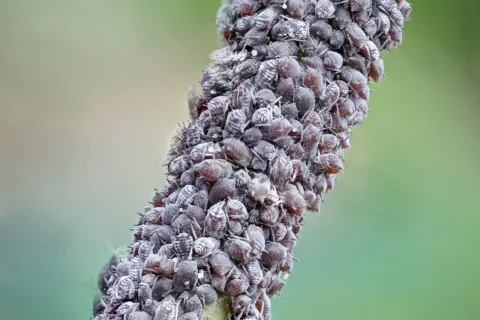
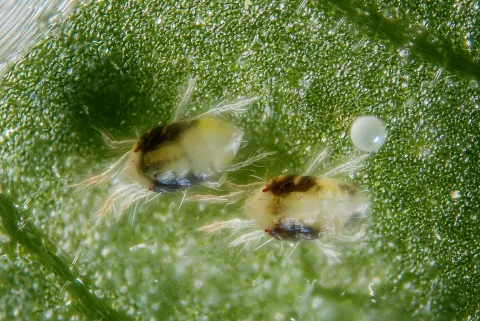
Diseases / Threats
Information
- Lifecycle
- Perennial
- Foliage
- Semi-evergreen
- Exposures
- SunHalf-shade
- Substrate
- Humus soil
- Planting methods
- Open groundIn potsIn tubsPlanter
- Categories
- HerbaceousAquatic
- Tags
- Large potThirstyToxic
- Origin
- Southeast Asia
- Hardiness (USDA)
- 9a (-6.7°C ≤ T° < -3.9°C)
- Leaf colors
- Dark greenLight greenWhiteDark green
- Flower color
- Yellow
Discover plants from the same family
Monstera variegata
Monstera deliciosa variegata
Monstera 'Thai Constellation'
Monstera deliciosa ‘Thai Constellation’
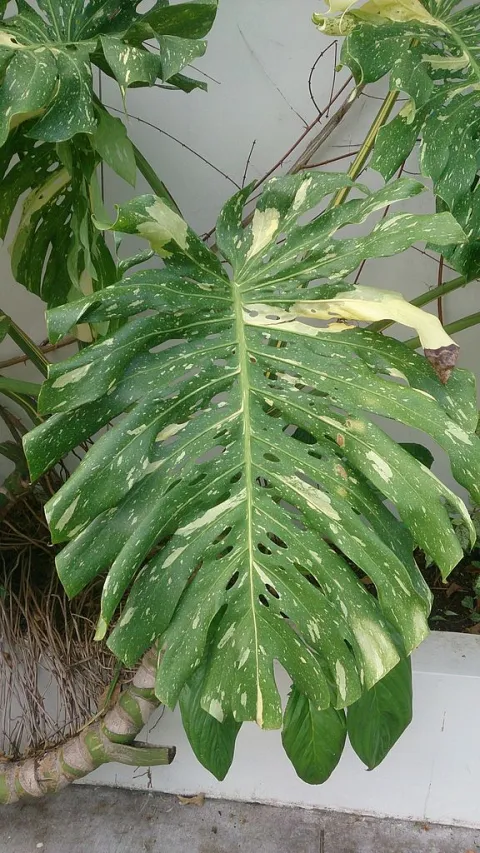
Monstera albo variegata
Monstera deliciosa albo variegata
Find all our tips in the Monstera application