Begonia amphioxus, red and green foliage full of mystery
Begonia amphioxus
- Exposure
- Sun
- Hardiness (USDA)
- 11b (7.2°C ≤ T° < 10°C)
- Lifecycle
- Perennial
- Foliage
- Evergreen
- Family
- Begonias Begoniaceae
- Genus
- Begonia
- Species
- Begonia amphioxus
Its name sounds like a magic formula straight out of one of Professor Filius Flitwick's spells. Its narrow, red-stained leaves are more reminiscent of the plants in Professor Chourave's botany class. But there's no need to look for Begonia amphioxus at Hogwarts! This member of the Begoniaceae family is native to Borneo.
How to recognize Begonia amphioxus?
A bushy perennial, Begonia amphioxus reaches a height of 45 cm and a spread of 40 cm.
The narrow, elongated leaves are borne on slender green stems. They measure up to 5 cm long and 2 or 3 cm wide. Light green, they are dotted with red spots.
Flowering is rarer than with begonia × lucerna. However, two or three times a year, small white or violet flowers may bloom in the middle of the foliage.
Is Begonia amphioxus toxic?
Begonia amphioxus is toxic. Its sap contains a substance that is irritating to the skin and if swallowed. It can cause vomiting and diarrhea if eaten.
Keep your plant out of the reach of young children and pets.
Our care tips
Your Begonia amphioxus likes humidity. It requires a high level of humidity, which is rarely achieved indoors. Plant it in a terrarium or grow it under cloche to meet its needs.
 Watering
Begonia amphioxus can withstand neither drought nor excess water.
Before watering, check the condition of the potting soil. The surface must be at least one centimeter dry.
Before watering, check the condition of the potting soil. The surface must be at least one centimeter dry.
 Misting
In nature, begonia amphioxus benefits from high humidity. Indoors, the air is too dry for them. To remedy this, spray the foliage with rainwater at room temperature.
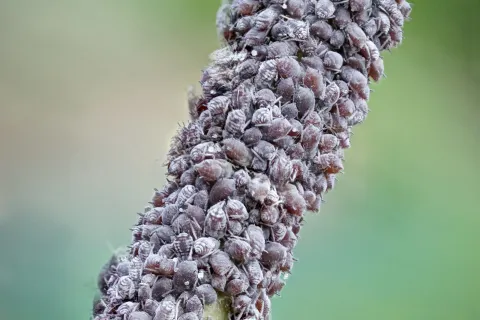
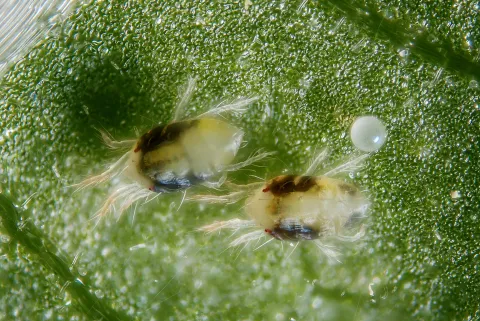
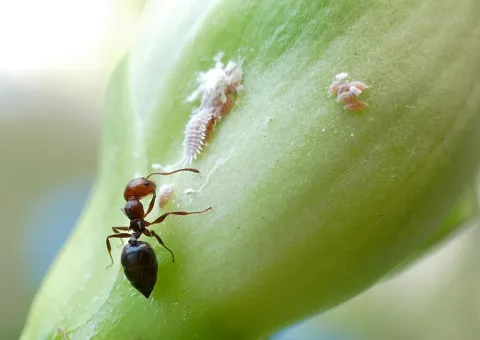
Fogging also combats attacks by mites and red spiders.
 Repotting
Every year in the spring, repot your Begonia amphioxus to give it more space.
Pour gravel into the bottom of your terrarium to form a drainage layer.
Then add substrate. Your Begonia amphioxus requires a well-draining mixture such as potting soil for green plants, enhanced with peat and perlite. Plant your Begonia amphioxus. Tamp and water.
 Fertilization
To promote the growth of your Begonia amphioxus, apply fertilizer in spring and summer.
Fertilize with a green plant fertilizer to stimulate growth. Your Begonia amphioxus is not very greedy. Divide the dose prescribed by the manufacturer by two to avoid damaging its foliage and roots.
 Prune
Prune
To encourage the growth of your Begonia amphioxus, prune regularly.
Remove wilted leaves usinga clean, sharp tool.
 Taking cuttings
Cutting is carried out during the strong growth phase, generally in spring and early summer.
Take branches about fifteen centimeters long. Remove leaves and flowers from the lower half of the stem.
To propagate cuttings, plant the seedling in a pot with a fine potting soil, such as potting soil for cuttings and seedlings, or a substrate that you have previously sieved.
Mist and cover with an empty bottle. Aerate your mini-greenhouse for a few minutes a day and spray two or three times a day.
Mist and cover with an empty bottle. Aerate your mini-greenhouse for a few minutes a day and spray two or three times a day.
Diseases / Threats
Information
- Lifecycle
- Perennial
- Foliage
- Evergreen
- Exposure
- Sun
- Substrate
- Humus soil
- Planting method
- In pots
- Category
- Indoor
- Tags
- Cold-sensitiveThirstyToxic
- Origin
- Southeast Asia
- Hardiness (USDA)
- 11b (7.2°C ≤ T° < 10°C)
- Leaf colors
- Light greenRed
- Flower colors
- WhiteViolet
Discover plants from the same family
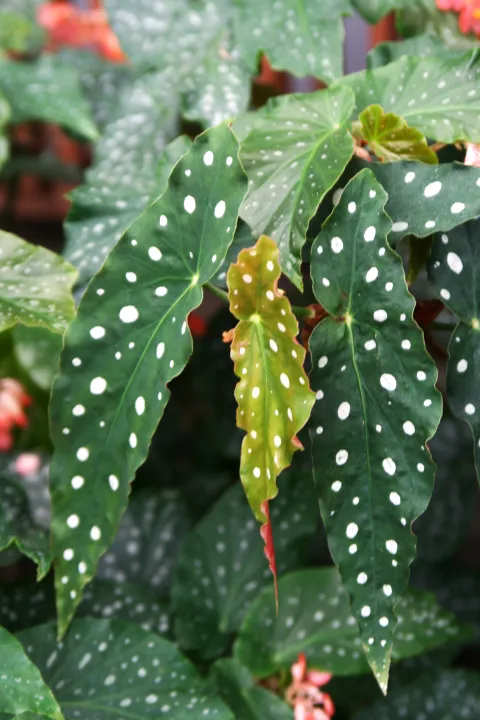
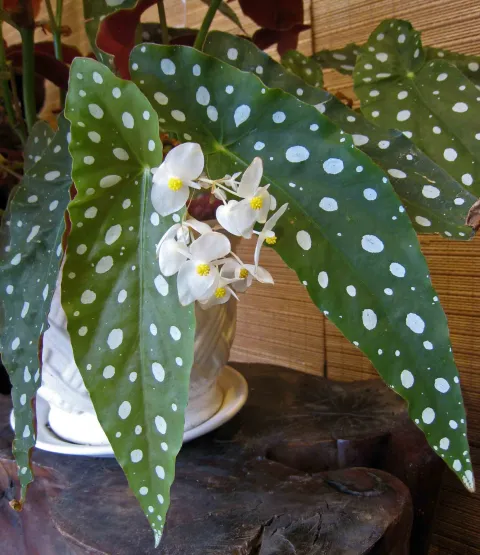
Begonia maculata 'Wightii'
Begonia maculata ‘Wightii’
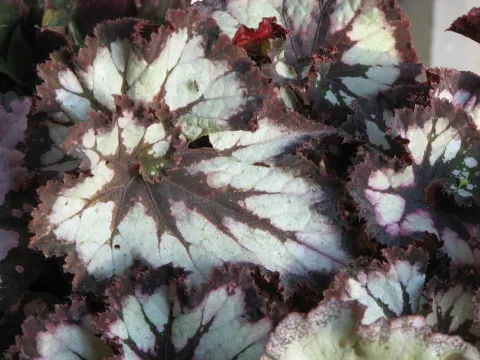
Royal Begonia
Begonia rex
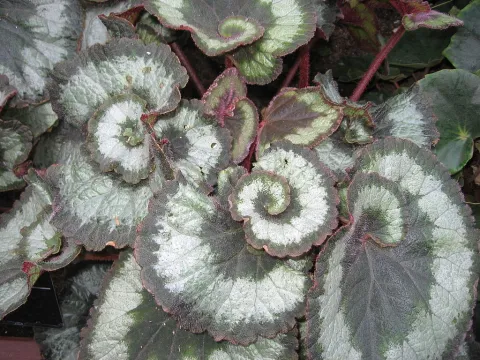
Begonia 'Escargot
Begonia rex 'Escargot'
Find out more
Find all our tips in the Monstera application