Begonia x elatior, a flowering begonia
Begonia hiemalis
- Exposures
- Sun, Half-shade
- Hardiness (USDA)
- 12a (10°C ≤ T° < 12.8°C)
- Lifecycle
- Perennial
- Foliage
- Evergreen
- Family
- Begonias Begoniaceae
- Genus
- Begonia
- Species
- Begonia x elatior Begonia hiemalis
While some begonias, such as begonia maculata, are grown for their foliage, Begonia x elatior (real name Begonia hiemalis) is prized for its colorful blooms. This hybrid, a cross between Begonia socotrana and Begonia × tuberhybrida, blooms all year round.
How to recognize Begonia x elatior (Begonia hiemalis)?
A perennial with a compact habit, Begonia x elatior grows to no more than 50 cm in height and 30 cm in spread.
Its fleshy, cordate or triangular leaves have toothed margins. The dark-green leaf blade is sharply veined.
Unlike Begonia amphioxus, which is grown for its foliage, Begonia x elatior is grown for its flowers. This often takes place in autumn, but can in fact occur at any time of the year. The shell-shaped flowers come in pink, yellow, red, white and orange, and can be single or double.
Is Begonia x elatior (Begonia hiemalis) toxic?
Begonias, including Begonia x elatior, are toxic if ingested, especially by animals (dogs and cats). They cause vomiting and burning of the mucous membranes.
Keep your plant out of the reach of your four-legged friends, and wash your hands after handling it.
Our care tips
Proper watering, regular fertilization and plenty of light are all you need to make your Begonia hiemalis bloom. The plant also needs shorter days. But there's no need to lock it away in the dark. The natural rhythm of the seasons induces flowering!
 Watering
Begonia x elatior likes humidity, but not at root level. Water only when the rootball has dried to a depth of two or three centimeters.
Use non-calcareous water, such as rainwater, at room temperature. If you've placed your houseplant on a dish, empty the stagnant water each time it appears.
 Misting
Your Begonia x elatior is a tropical plant. It appreciates humidity. Spray its foliage with water at room temperature.
Avoid calcareous water, which leaves white marks on the leaves. Prefer rainwater or filtered water.
 Repotting
Every year in the spring, repot your Begonia hiemalis to give it more space.
Obtain a pierced pot with a slightly larger diameter than the previous one (two centimetres larger, for example). You can line the bottom with a bed of clay balls to optimize drainage.
Begonia x elatior need a rich, aerated substrate. Mix perlite (approx. 10%) with potting soil for green plants. Pour in a layer of soil.
Plant your Begonia x elatior in the center of the pot. Add potting soil and tamp lightly. Water with room-temperature water to encourage rooting and remove air bubbles.
 Fertilization
To promote the growth of your Begonia hiemalis, apply fertilizer in spring and summer.
Apply a liquid fertilizer for green plants to stimulate growth.
 Prune
Prune
To encourage the growth of your Begonia x elatior, prune regularly.
Remove wilted stems, leaves and flowers. They can rot your Begonia x elatior.
 Taking cuttings
Cutting is carried out during the strong growth phase, generally in spring and early summer.
Locate a healthy leaf. Remove it, with part of its petiole. Use a clean, sharp tool to avoid spreading disease.
Pour a rich, well-draining substrate, such as potting soil for cuttings and seedlings, into a perforated pot. Mist the soil to moisten it.
Make a pilot hole and plant the petiole. Make sure the leaf is in contact with the soil.
Cuttings grow best smothered. Cover the pot with a translucent lid. Aerate for a few minutes a day to prevent rotting, and check that the soil remains moist. You can spray the soil, without wetting the leaves, to increase humidity.
Frequently asked questions
Where should I place my Begonia x elatior?
Begonia x elatior requires sunny exposure, but away from strong direct sunlight. Place it behind a window, ideally facing west. In summer, use a curtain to filter the light.
Is Begonia x elatior an indoor or outdoor plant?
Begonia x elatior is not a hardy plant. It cannot tolerate temperatures below 10°C. Outside tropical climates, it should be grown indoors. However, you can take it outside on sunny days, when temperatures permit, to let in more light.
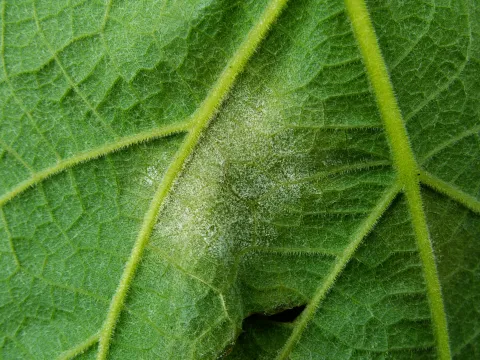
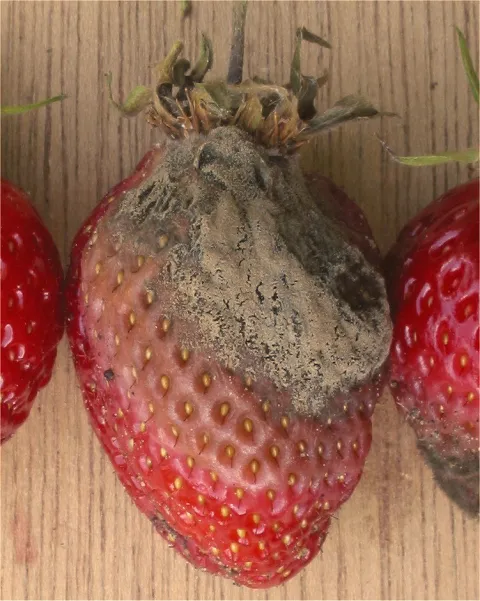
Diseases / Threats
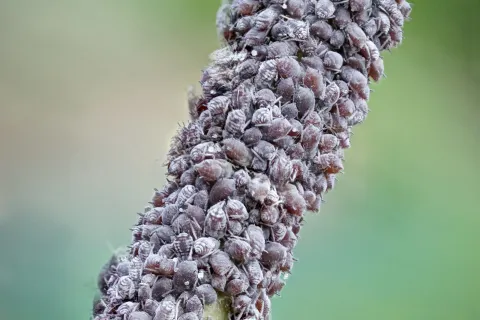
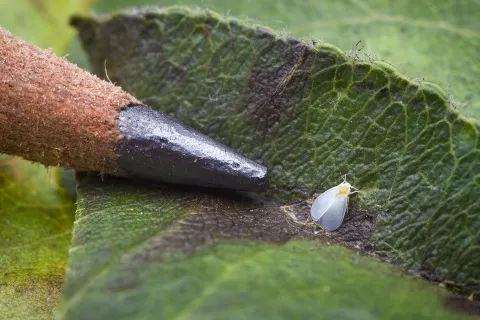
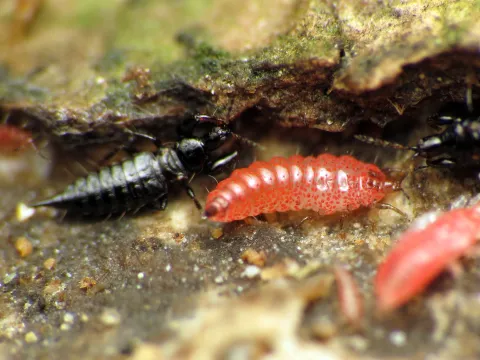
Information
- Lifecycle
- Perennial
- Foliage
- Evergreen
- Exposures
- SunHalf-shade
- Substrate
- Humus soil
- Planting method
- In pots
- Tags
- FloweryCold-sensitive
- Hardiness (USDA)
- 12a (10°C ≤ T° < 12.8°C)
- Leaf color
- Dark green
- Flower colors
- WhiteRedRoseYellowOrange
Discover plants from the same family
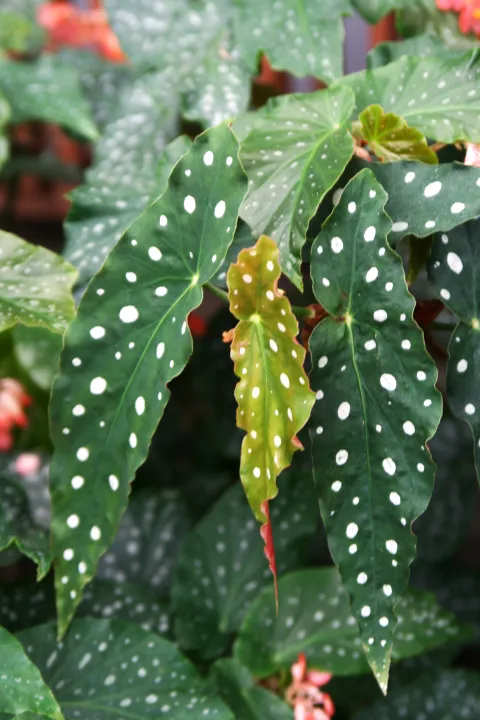
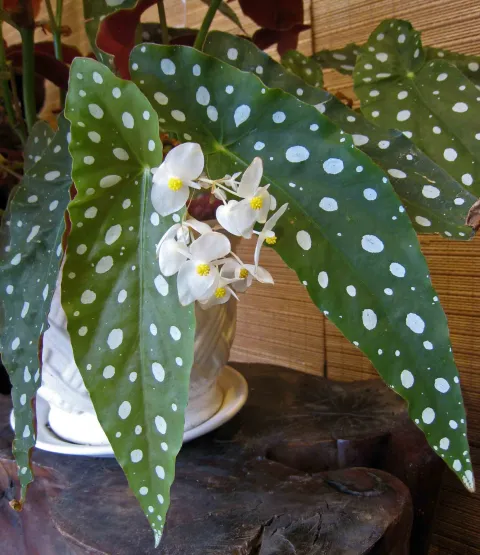
Begonia maculata 'Wightii'
Begonia maculata ‘Wightii’
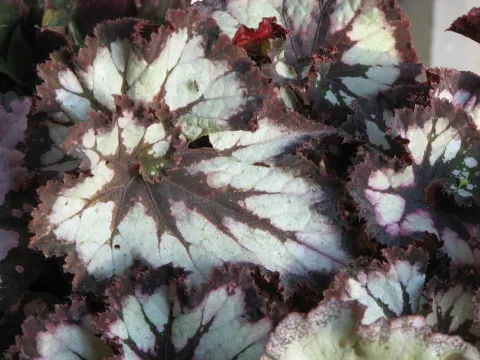
Royal Begonia
Begonia rex
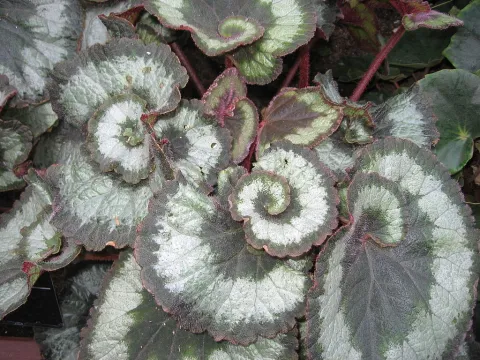
Begonia 'Escargot
Begonia rex 'Escargot'
Find all our tips in the Monstera application