Vitelotte, a purple potato
Solanum tuberosum 'Vitelotte'
- Exposure
- Sun
- Hardiness (USDA)
- 10b (1.7°C ≤ T° < 4.4°C)
- Lifecycle
- Annual
- Foliage
- Deciduous
- Family
- Solanaceae
- Genus
- Solanum
- Species
- Potato Solanum tuberosum
The writer Alexandre Dumas had a favorite Potato: vitelotte. For him, this variety of Solanum tuberosum with its purple flesh and skin was the best potato in the world. Since then, many more productive and equally colorful hybrids have stolen its thunder, but it remains a sure bet, appreciated by gourmets and gardeners alike.
How to recognize a yam potato?
The vitelotte potato (Solanum tubersosum) is a perennial plant that is grown in the vegetable garden as an annual. It grows upright, up to a metre high and 50 cm wide.
Stems are tinted purple. They support dark-green leaves, sometimes with colored veins. Pennate, they are composed of smaller leaflets than in modern varieties.
The five-petal flowers are star-shaped. They too are purple, with a yellow heart. They are grouped in bunches at the ends of the stems. They can give rise to round berries.
Cylindrical to elongated tubers weigh an average of 50 g and measure less than 10 cm when ripe. Irregular and bumpy, they are covered by a thick, purplish-black skin and numerous deep buds. The dark purple flesh is sometimes marbled with lighter areas.
Is the yolk potato toxic?
Despite its unusual color, the yolk potato is not toxic. The tubers are edible, and can be eaten fried, crisped or mashed. The aerial parts, on the other hand, contain a high concentration of solanine, a toxic substance. They should not be eaten.
Our care tips
The winter before planting, work the soil to a depth of 20 cm to loosen it. Add a potassium-rich fertilizer to enrich it.
 Watering
Water without wetting the foliage, either at the base of your Vitelotte potato, or between the rows.
Adapt the amount of water to the development of the plant. Your watering should be more copious during the flowering period, without soaking the soil. Reduce the volume when the foliage starts to turn yellow.
 Planting
Once the last spring frosts have passed, you can plant.
Work the soil to a depth of 20 centimetres. Add a potassium-rich fertilizer.
Dig furrows 8 to 10 centimetres deep. If you're planting several rows, space them at least 50 centimetres apart.
Plant your tubers, sprout side up. Leave 30 centimetres between plants. Cover with soil and form a mound about 15 cm high to prevent the tuber from catching the light.
 Hilling
Plug your plants regularly to encourage production.
Weed around the base of your Solanum tuberosum 'Vitelotte'. After that, it will be too late: ridging will bury weeds under the soil.
Scrape the soil between the rows to loosen it. Using your hoe or ridger, pull the soil from each side of the row towards the stem. Form a mound about 15 to 20 cm high. Only the top 5 to 10 cm of foliage should remain visible.
Frequently asked questions
How do yams taste?
The vitelotte potato is distinguished by its firm purple flesh and slightly sweet taste with hints of hazelnut.
What to plant with the vitelotte potato?
Vitelotte goes well with companion plants such as beans, cabbage or spinach, which promote good growth.
On the other hand, it is advisable to avoid proximity with other plants in the same family, such as tomatoes or eggplants, to limit common diseases and competition for nutrients.
How to store the vitelotte potato?
Vitelotte should be kept in a cool, dry, dark, well-ventilated place. Avoid the fridge and exposure to light. Properly stored, it can be kept for several weeks, even months, while preserving its taste qualities.
What should I use to plant potatoes?
Potatoes benefit from association with garlic, onions, beans, peas, cabbage and corn.
Avoid proximity to tomatoes and eggplants. They belong to the same family. They consume the same nutrients and suffer from the same diseases.
Don't forget to rotate your crops. After your harvest, wait four years before planting potatoes again in the same spot.
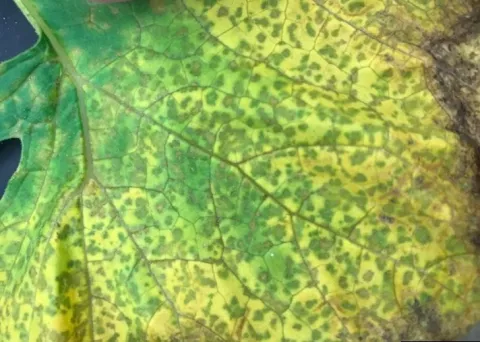
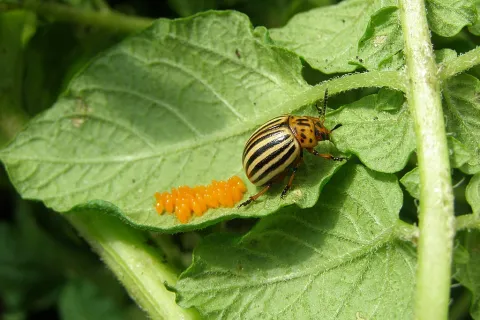
Diseases / Threats
Information
- Lifecycle
- Annual
- Foliage
- Deciduous
- Exposure
- Sun
- Substrates
- Loamy soilSandy soil
- Planting methods
- Open groundIn potsIn tubs
- Category
- Vegetable
- Tags
- BeginnerLarge pot
- Origin
- South America
- Hardiness (USDA)
- 10b (1.7°C ≤ T° < 4.4°C)
- Leaf colors
- Dark greenViolet
- Flower colors
- WhiteViolet
- Fruit colors
- YellowPale green
Discover plants from the same family
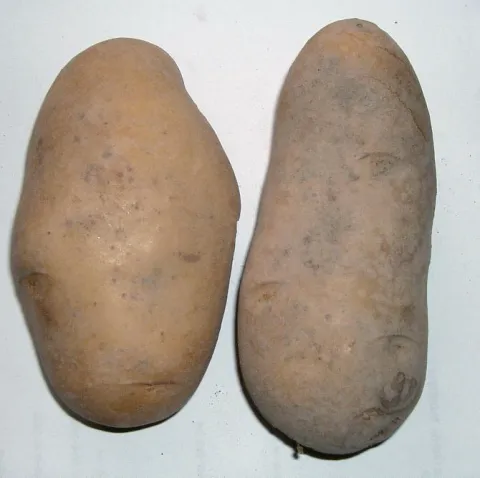
Potato
Solanum tuberosum
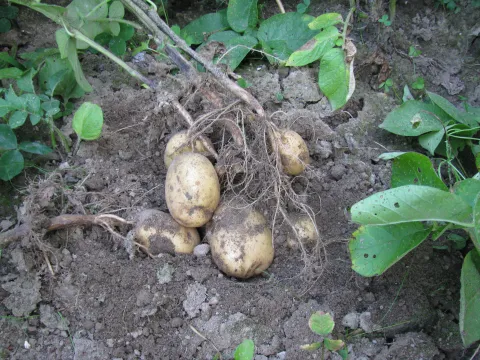
Bintje potato
Solanum tuberosum 'Bintje'
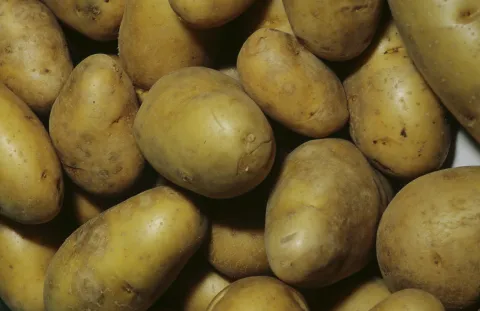
Charlotte potato
Solanum tuberosum 'Charlotte'
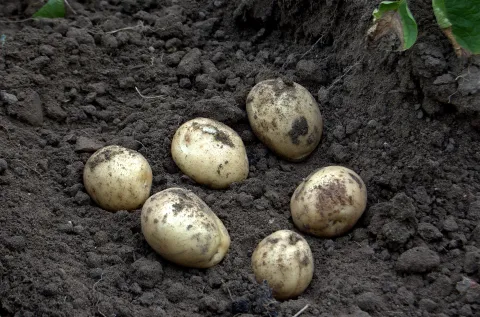
Early potato
Solanum tuberosum
Find out more
Find all our tips in the Monstera application