Trachelospermum jasminoides 'Star of Venice', the jasmine with white and yellow flowers
Trachelospermum jasminoides ‘Star of Venice’
- Exposures
- Sun, Half-shade
- Hardiness (USDA)
- 8b (-9.4°C ≤ T° < -6.7°C)
- Lifecycle
- Perennial
- Foliage
- Evergreen
- Family
- Apocynaceae
- Genus
- Trachelospermum
- Species
- Star jasmine Trachelospermum jasminoides
Trachelospermum jasminoides 'Star of Venice' and its white and yellow flowers did not originate on the shores of the Adriatic Sea, between St. Mark's Square and the Bridge of Sighs. This variety was developed in a greenhouse in the Netherlands by modifying star Jasmine botanical star jasmine (Trachelospermum jasminoides).
How can you identify Star of Venice Star Jasmine, Trachelospermum jasminoides 'Star of Venice'?
A spreading climber, the Star of Venice star jasmine reaches three meters in height and two meters in spread.
The woody, twining stems coil around their support. However, when the shoots come into contact with soil or a damp surface, they produce aerial roots.
The oval leaves with pointed tips are leathery and thick. They measure up to fourteen centimeters long by four wide. Light green or bright green in color, they turn reddish when temperatures drop or water becomes scarce.
With their five narrow lobes, the flowers are shaped like a propeller. White in color, they stand out from other jasmine flowers due to their yellow throat. The fragrant blooming season lasts from May through September.
Fruits rarely appear in our latitudes. In the wild, star jasmine produces curved pods that contain seeds and their tufts.
The sap of Trachelospermum jasminoides 'Star of Venice' contains alkaloids, a substance that is harmful to humans. It causes skin irritation upon contact. Be sure to protect yourself when pruning or repotting the plant. The plant is also toxic to animals. If ingested, it causes digestive problems.
Our care tips
Star Jasmine are easy-care plants. Drought-resistant, they nevertheless need regular watering in pots and during the first few years.
 Watering
Star Jasmine They like to keep the potting mix moist, but not soggy. Water when the soil is dry on the surface (about two to three centimeters deep).
Water the substrate with non-hard water—such as rainwater—at room temperature.
Let the water drain out through the drainage holes before returning the plant to its place. Empty any standing water from the saucer or planter. It may cause the roots to rot.
 Repotting
Your Star of Venice' star jasmine is developing deep roots. Choose a pierced pot high enough (around 60 centimetres) to accommodate them.
Prepare a rich, light substrate. You can use commercially available potting soil for Mediterranean plants, or mix garden soil (2/3) with heather soil (1/3).
Pour the potting soil into your planter. If you have provided a support (trellis or stake), install it in your pot.
Then plant your Star of Venice' star jasmine. Fill the pot with potting soil. Make sure you stop a few centimetres short of the rim to avoid water overflowing when watering.
Water generously to encourage rooting, using water at room temperature.
The plant clings naturally to its support. But you'll need to give it a little help at the start. Wrap the branches around your pergola or trellis.
 Fertilization
You can stimulate the growth of your plant during its growth phase, in spring and summer, with fertilizer.
Bury a handful of compost at the foot of your Star of Venice' star jasmine.
You can stimulate the development of your plant during its growth phase, in spring and summer, with fertilizer.
Apply fertilizer for flowering plants or Mediterranean plants.
 Prune
Cut back dry, damaged branches using clean, sharp pruning shears.
Star Jasmine have sap that can cause skin irritation. Remember to wear gloves for protection!
 Planting
Once the last spring frosts have passed, you can plant.
Soak the rootball of your Star of Venice' star jasmine in water at room temperature.
Find a sunny spot sheltered from the wind. Dig a planting hole as wide as it is high. Place gravel and compost at the bottom to optimize drainage.
Plant your Star of Venice' star jasmine and fill in with a mixture of universal potting soil, garden soil and compost. Form a watering basin and water copiously to encourage rooting.
Planning to climb your plant on a pergola or trellis? Wrap the first branches around the support to show them the way.
 Taking cuttings
Cutting is carried out during the strong growth phase, generally in spring and early summer.
Take a branch about fifteen centimeters long. The stem should be semi-jointed, i.e. Still flexible and not yet woody. Cut below the node closest to the mother stem.
Remove the leaves at the base, keeping only the upper pairs.
Remove the leaves at the base, keeping only the upper pairs.
Plant your cutting in a mixture of sand and potting soil. Water to moisten the substrate.
The operation is more likely to be successful in a smothered environment. Cover the pot with a bell jar or translucent plastic bag. You can also place it in a clear plastic crate with a lid.
Place your cuttings in semi-shade.
Aerate every day for a minute or two to prevent rotting, and mist the substrate to keep it slightly moist.
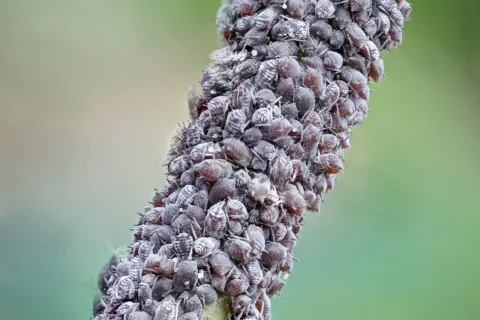
Disease / Threat
Information
- Lifecycle
- Perennial
- Foliage
- Evergreen
- Exposures
- SunHalf-shade
- Substrates
- Calcareous earthHumus soilSandy soil
- Planting methods
- Open groundIn potsIn tubs
- Tags
- BeginnerFloweryToxic
- Origin
- Southeast Asia
- Hardiness (USDA)
- 8b (-9.4°C ≤ T° < -6.7°C)
- Leaf colors
- Light greenChartreuse
- Flower colors
- WhiteYellow
- Fruit color
- Brown
Discover plants from the same family

Star jasmine
Trachelospermum jasminoides


Trachelospermum 'tricolor'
Trachelospermum asiaticum 'tricolor'
Find out more
Find all our tips in the Monstera application








