Ficus pumila, the dwarf, creeping fig
Ficus pumila
- Exposures
- Sun, Half-shade
- Hardiness (USDA)
- 10b (1.7°C ≤ T° < 4.4°C)
- Lifecycle
- Perennial
- Foliage
- Evergreen
- Family
- Moraceae
- Genus
- Ficus
- Species
- Dwarf fig Ficus pumila
Other names:Ficus repens, Ficus hanceana, Ficus longipedicellata, Ficus scandens, Ficus pumila var. lutchuensis, Ficus repens var. lutchuensis, Ficus stipulata, Ficus vestita, Plagiostigma pumila, Plagiostigma stipulata, Tenorea heterophylla, Urostigma scandens
When you see a Ficus pumila, it's hard to believe that this small plant native to East Asia is a cousin of African fig tree imposing African fig tree or the gigantic Ficus elastica. Yet they all belong to the Moraceae family.
How can you recognize Ficus pumila, the creeping fig?
Ficus pumila is a woody plant with a trailing habit. When grown in a pot, it measures one to five meters in all directions. But in the wild, some specimens are anything but miniature. You can find dwarf fig trees with vines over fifteen meters long!
The branches have aerial roots with tendrils at the nodes. These allow the plant to climb or cling to the ground.
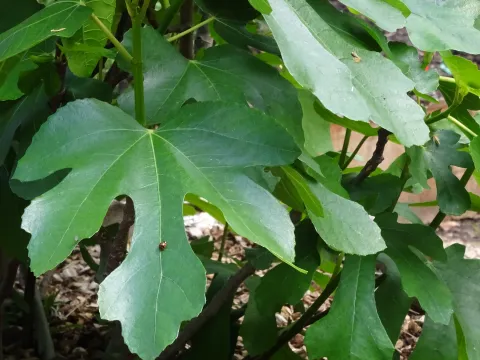
The heart-shaped leaves are arranged in pairs along the stems. They are bumpy, and their color ranges from dark green to bronze. Some cultivars, such as Ficus pumila 'White Sunny' or Ficus pumila Variegata, have white margins. The leaf blades measure between three and six centimeters long by two to five centimeters wide. As they age, they grow larger and become tougher.
Flowers emerge from the leaf axils between May and July. Outdoors, they go unnoticed amid the foliage. Indoors, they rarely appear.
Like other fig trees, Ficus pumila produces figs. The fruit is edible. Its taste, however, does not make it a highly sought-after delicacy. In Taiwan and Singapore, however, a liquid is extracted from the seeds. Once turned into jelly, it is used to make candy.
The fruit is safe, but the rest of the plant is toxic. If you have pets, grow your dwarf fig tree in a hanging pot. That way, it will be out of reach of your dog and cat.
Our care tips
Ficus pumila They don't like change. Once you've placed yours away from drafts, don't move them again. They might lose their leaves.
 Watering
Ficus pumila like to keep feet cool. Keep the substrate moist, especially in summer, watering as soon as the soil dries on the surface (by less than a centimetre).
Always use rainwater at room temperature. It's non-calcareous and provides the plant with the nutrients it needs to thrive.
 Misting
In our homes, heating dries out the air. To remedy this, mist the foliage of your Ficus pumila with soft water at room temperature.
 Repotting
Every year in the spring, repot your Ficus pumila to give it more space.
Choose a pierced pot slightly larger than the previous one. First lay a bed of clay balls or gravel to optimize drainage. Top it off with a special potting soil for green plants. This will provide your shrub with nutrients, at least for a few weeks.
You can place the pot in a saucer filled with moist clay balls. This will improve the hygrometry without risk to the roots.
 Fertilization
To promote the growth of your Ficus pumila, apply fertilizer in spring and summer.
To stimulate the growth of your Creeping fig, use a green plant fertilizer.
 Cleaning
 the leaves with a clean, damp cloth removes dust and limits pest attacks.
 Prune
Trim your Ficus pumila, whatever its size, to make it denser. Use a clean, sharp tool. Shorten each branch by at least five centimetres, cutting above a healthy leaf. Remove dead branches too.
Caution! Sap is toxic. Wear gloves for protection.
 Planting
When the risk of frost has passed, it's time to plant.
Choose a location in the sun and sheltered from the wind. Soak the root ball of your Creeping fig while you prepare the soil.
Dig a hole twice the size of the root ball. Take the opportunity to work the soil. Remove stones, weeds and plant waste.
Plant your plant in the center. The top of the rootball should be level with the ground. Fill in with garden soil. You can add potting soil or compost to enrich the soil. Tamp lightly and water to eliminate air bubbles.
Mulch the soil to retain moisture and reduce evaporation.
 Taking cuttings
Propagation by cuttings is carried out during the strong growth phase, generally in spring and early summer.
Locate a stem with aerial roots. Bury it in the pot at the foot of your mother plant. You can hold it down with a wire or paper clip.
Cut the layer when the roots have grown to three or four centimeters.
Cut the layer when the roots have grown to three or four centimeters.
Place the reject in a pot with holes adapted to its size. Pour a thin layer of gravel or clay balls into the bottom. Add potting soil for seedlings and plantations. Plant your cutting and cover the roots with soil.
Water for the first time to facilitate contact between roots and substrate.
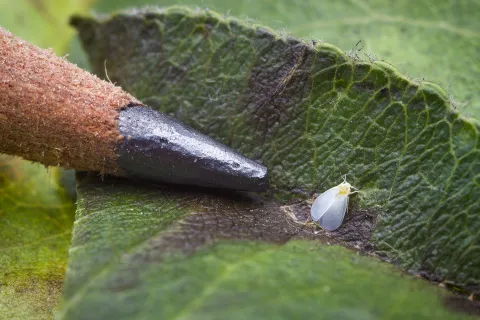
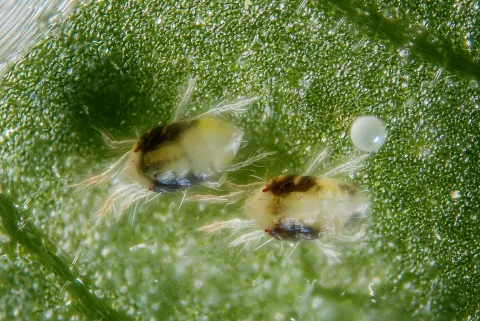
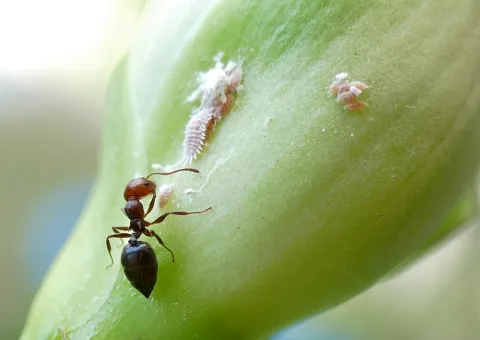
Diseases / Threats
Information
- Lifecycle
- Perennial
- Foliage
- Evergreen
- Exposures
- SunHalf-shade
- Substrates
- Humus soilSandy soil
- Planting methods
- Open groundIn potsIn tubs
- Categories
- ClimberIndoorHerbaceousHanging plants
- Tags
- BeginnerCold-sensitiveToxic
- Origins
- East AsiaSoutheast Asia
- Hardiness (USDA)
- 10b (1.7°C ≤ T° < 4.4°C)
- Leaf colors
- Dark greenLight greenWhite
- Fruit colors
- Dark greenLight green
Discover plants from the same family


Find all our tips in the Monstera application








