Citrus margarita, the oval-fruited kumquat
Citrus margarita
- Exposures
- Sun, Half-shade
- Hardiness (USDA)
- 8b (-9.4°C ≤ T° < -6.7°C)
- Lifecycle
- Perennial
- Foliage
- Evergreen
- Family
- Rutaceae
- Genus
- Citrus
- Species
- Citrus margarita
Other names:Citrus fortunella Nagami, Fortunella margarita
Don't be fooled by its name! Citrus margarita does not come from Italy, but from China. It was introduced to Europe in the late 19th century by the British botanist Charles Fortune. Its classification within the Rutaceae family has not always been universally accepted. However, the kumquat, like lemon tree, is cultivated as a fruit tree and as an ornamental shrub.
How can you recognize the kumquat (Citrus margarita)?
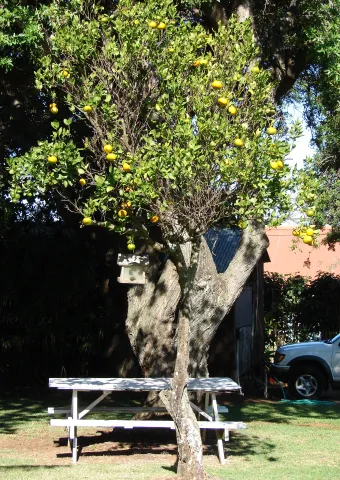
Citrus margarita is an evergreen shrub with a compact, dense growth habit. When planted in the ground, it reaches up to three meters in height and 2.5 meters in spread. Potted kumquats are smaller in size and can even be kept indoors.
The leaves, dark green on top and lighter on the underside, are lanceolate and alternate. They give off a sweet citrus scent. Each leaf blade measures four to eight centimeters long. If you look closely, you can see black spots on them. These are oil glands.
From May through July, this dark foliage is brightened by white flowers that appear either singly or in clusters. Highly fragrant, they give off a scent that is a reminder of orange blossoms.
After blooming, the flowers develop into oval fruits of a vivid orange color. Their shape and color distinguish them from the fruit of Citrus japonica.
The fruits of Citrus margarita are not toxic—quite the opposite. They are eaten with their peel: its sweet flavor balances the tartness of the flesh.
Our care tips
Maintaining a Citrus margarita is not difficult. Above all, you need to protect it from frost in winter and provide it with the nutrients it needs to grow. With the right potting soil and regular fertilizing, you'll soon be enjoying your own citrus fruits.
Citrus margarita citrus trees need regular watering all year round. During hot spells, water early in the morning or in the evening. Water evaporates less quickly, and your shrub benefits from it for longer.
 Watering
Keep the soil slightly moist. Water only when the substrate is dry on the surface, for one or two centimeters.
Water with non-calcareous water at room temperature, without soaking the soil.
Thirty minutes after watering, empty any stagnant water from the cup. This will keep the roots dry and prevent them from rotting.
 Repotting
In spring, transfer your Citrus margarita to a larger pot, so that it can continue to grow.
When roots are sticking out of the pot or visible on the surface, it's time to repot!
To prepare your Citrus margarita for repotting, soak the root ball. Then gently loosen the root ball.
Choose a terracotta pot or a wooden planter. Both materials promote water evaporation and reduce the risks associated with excessive watering. Make sure the container has drainage holes to allow water to drain.
Place a layer of clay pellets or gravel at the bottom to aid drainage.
Fill the rest with a rich substrate, such as a special citrus potting mix or general-purpose potting mix. You can make your own mix using:
- one-third potting mix;
- one-third garden soil;
- pozzolan.
Place your shrub in the center. The top of the root ball should be two centimeters below the rim of the pot. Fill in with substrate and firm it down to remove air pockets. When planting, be sure not to bury the root collar.
 Fertilization
You can stimulate the development of your plant during its growth phase, in spring and summer, with fertilizer.
Citrus margarita are greedy plants. They need to be fertilized. Feed yours with a special liquid or granulated citrus fertilizer.
 Cleaning
The dust that accumulates on the leaves prevents photosynthesis. To ensure that your Citrus margarita takes full advantage of the light, clean its foliage with a clean, damp cloth. Then wipe with a soft cloth.
 Harvest
Pick the fruit from the tree when it's ripe.
 Prune
Size is not essential. It only helps to control shape and development and improves fruiting. When pruning, always use clean, sharp pruning shears.
Citrus trees flower and fruit on the year's wood. To maintain the compact, rounded shape of your shrub, remove dead branches and shoots growing along the trunk. You can also aerate the center by removing some shoots that have already borne fruit in previous years.
If you want to improve your harvest, you can also carry out a fruiting pruning operation: one month after the appearance of a new shoot, prune it back to a height of 20 centimetres.
 Pinch
Pinch your Citrus margarita during its growing season.
Pinch stem ends to encourage branching and maintain dense growth.
 Planting
Once the last spring frosts have passed, you can plant.
Find them a place sheltered from the wind and isolated from other plants. Citrus plants have shallow roots and don't like to share their space.
Dig a hole 70 centimetres wide and 1 metre in diameter. While you're at it, soak the root ball.
Plant the plant in the middle, with the top of the rootball level with the ground. Take care not to bury the collar.
Citrus margarita plants thrive in light, well-drained, rich soil. When filling in, add potting soil or citrus soil to your garden soil. Tamp and water.
Diseases / Threats
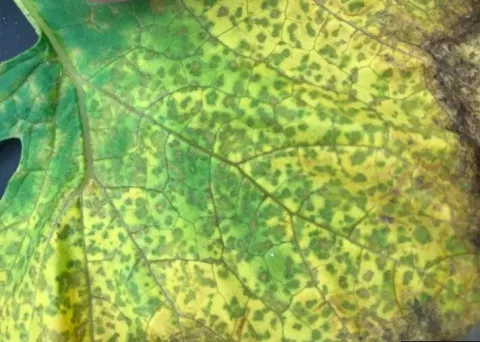

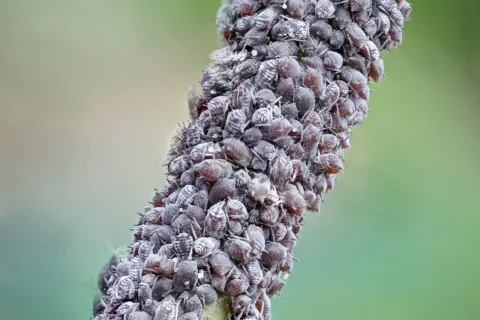
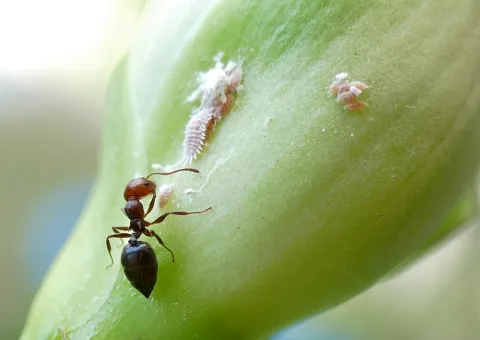
Information
- Lifecycle
- Perennial
- Foliage
- Evergreen
- Exposures
- SunHalf-shade
- Substrate
- Humus soil
- Planting methods
- Open groundIn potsIn tubs
- Categories
- ShrubFruit tree
- Tag
- Edible fruit
- Origin
- East Asia
- Hardiness (USDA)
- 8b (-9.4°C ≤ T° < -6.7°C)
- Leaf color
- Dark green
- Flower color
- White
- Fruit color
- Orange
Discover plants from the same family

Lemon tree
Citrus x limon
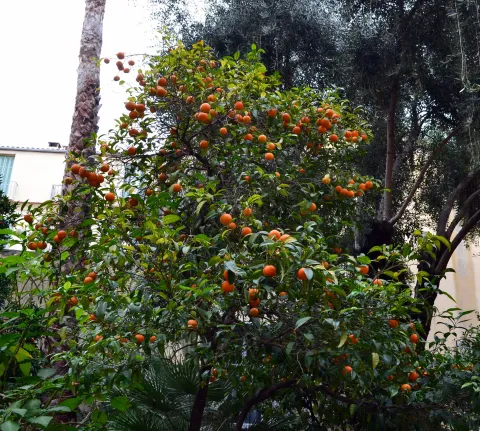
Clementine
Citrus x clementina
Mandarin
Citrus reticulata

Orange
Citrus sinensis
Find out more
Find all our tips in the Monstera application








