Sempervivum ciliosum, ciliated houseleek
Sempervivum ciliosum
- Exposures
- Sun, Half-shade
- Hardiness (USDA)
- 7b (-15°C ≤ T° < -12.2°C)
- Lifecycle
- Perennial
- Foliage
- Evergreen
- Family
- Crassulaceae
- Genus
- Houseleek Sempervivum
- Species
- Ciliated houseleek Sempervivum ciliosum
The Crassulaceae family is found all over the world. They grow in places ranging from the African deserts to the high plateaus of southern China. In Europe, in the Balkan Mountains, Sempervivum ciliosum thrives in the harshest of environments.
How can you identify Sempervivum ciliosum, the ciliate houseleek?
Sempervivum ciliosum is a succulent plant with a creeping, compact growth habit. It does not grow taller than ten centimeters.
Its thick, long roots allow it to survive in the most inhospitable places. They make their way through rocks, into cracks in walls, or along rocky cliffs.
Ciliate houseleek has no stem. Its leaves form a globular rosette one to five centimeters wide. The color of the leaf blades varies depending on the cultivar. In the botanical variety, they are green. However, there are hybrids with purple, crimson, or blue-green foliage. Regardless of their color, the leaves are always covered with fine gray hairs.
Sempervivum ciliosum blooms in the summer. While the flowers of cobweb houseleek and the Mountain Houseleek are pink, those of the ciliate houseleek are yellow. They bloom in a corymb at the top of a 10-centimeter flower stalk. The plant dies after flowering. But before it does, it produces numerous offshoots.
Houseleek is said to have therapeutic properties. It is reportedly used to treat skin problems or burns. However, some scientists consider the plant toxic if ingested. Keep it out of reach of pets and young children.
Our care tips
The Sempervivum ciliosum These are easy-to-care-for outdoor plants. They just need a sunny spot and a well-draining substrate. They can thrive on a rooftop, in a crack in a low wall, or in a rock garden. You can also grow them in pots. There's just one rule to follow: don't mix them with other species, which might take over.
 Watering
Make sure the soil is completely dry before watering. Pour room-temperature water over the potting soil, without wetting the foliage.
Do not leave standing water in the cup.
Do not leave standing water in the cup.
 Misting
The Sempervivum ciliosum grow in arid regions and do not like humidity. No need to spray them.
 Repotting
Every year in the spring, repot your Sempervivum ciliosum to give it more space.
Obtain a pierced terracotta pot. Line the bottom with a layer of clay balls or gravel. This way, in the event of over-watering, your plant won't get its feet wet.
Add a mixture of garden soil (50%) and sand or pozzolan (50%). Plant your Ciliate houseleek in the center. Tamp and water to remove air bubbles.
 Prune
Remove dried leaf rosettes after flowering.
 Planting
When the risk of frost has passed, it's time to plant.
Choose a sunny, well-drained spot, such as the top of a slope. Loosen the soil by raking it. If your soil is compact, add sand, crushed pozzolan, or gravel to lighten it.
Dig a hole the size of the root ball and plant your Ciliate houseleek. Space the plants at least 20 centimeters apart to give the offshoots room to grow. Do not plant other, larger varieties nearby. They may cast shade and take over the entire space.
Pack down the soil and water to help the plant establish roots.
 Taking cuttings
Propagation by cuttings is carried out during the strong growth phase, generally in spring and early summer.
Locate a young shoot and carefully separate it from the mother plant. Take care to remove its roots without damaging the rest of the root system.
Obtain a perforated pot. Add a layer of clay balls or gravel to the bottom for drainage.
Mix equal parts garden soil and sand or crushed pozzolan. Plant sempervivum ciliosum in the center. Tamp gently and water generously to encourage rooting.
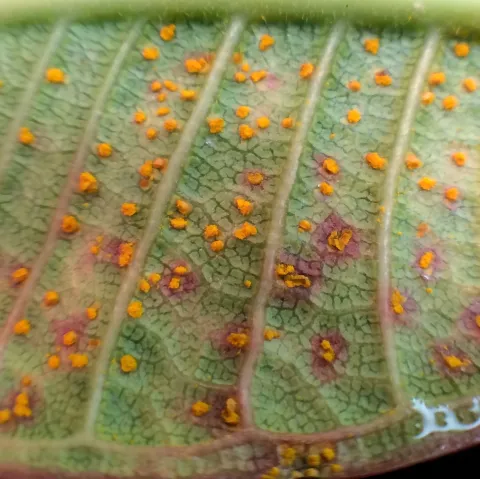
Disease / Threat
Information
- Lifecycle
- Perennial
- Foliage
- Evergreen
- Exposures
- SunHalf-shade
- Substrates
- Calcareous earthHumus soilSandy soil
- Planting methods
- Open groundIn potsPlanter
- Categories
- RhizomeHerbaceousFlowerySucculent
- Tags
- BeginnerFloweryHard to killHardyToxic
- Origins
- Eastern EuropeSouthern Europe
- Hardiness (USDA)
- 7b (-15°C ≤ T° < -12.2°C)
- Leaf colors
- Dark greenLight greenBlueVioletPurpleGreen-gray
- Flower color
- Yellow
Discover plants from the same family

Cobweb houseleek
Sempervivum arachnoideum

Mountain houseleek
Sempervivum montanum

Common Houseleek
Sempervivum tectorum
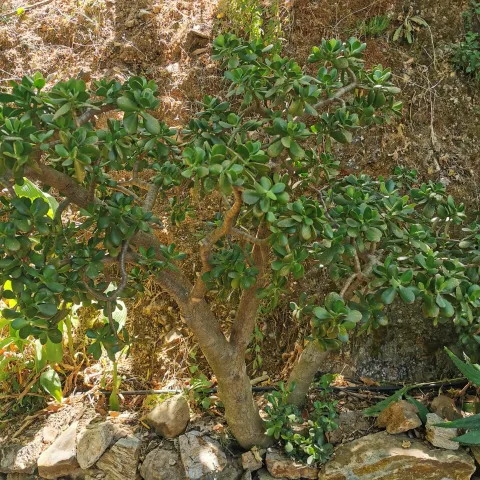
Jade tree
Crassula ovata
Find out more
Find all our tips in the Monstera application








