Caladium bicolor 'Rosebud', a cult houseplant
Caladium bicolor 'Rosebud'
- Exposures
- Sun, Half-shade
- Hardiness (USDA)
- 11a (4.4°C ≤ T° < 7.2°C)
- Lifecycle
- Perennial
- Foliage
- Deciduous
- Family
- Araceae
- Genus
- Caladium
- Species
- Caladium bicolor
You don't need to go to Xanadu, Charles Foster Kane's estate, to unravel the mystery of Caladium bicolor 'Rosebud'. This plant of the Araceae family is native to the tropical regions of Brazil and South America. It can now be found in all good florists and enthusiastic gardeners.
How to recognize Caladium bicolor 'Rosebud'?
Caladium bicolor 'Rosebud' is a tuberous, aculeate plant. It takes on the appearance of a bushy shrub, growing to 60 centimetres in all directions.
Its deciduous foliage consists of sagittate blades 35 centimetres long and 20 centimetres wide. Green, the leaves are spotted with pink in the center and on the veins. A white halo separates the two colors.
In tropical forests, Caladium bicolor 'Rosebud' flowers in summer. A yellowish spathe surrounds a white spadix. Ephemeral and hidden by the foliage, the flowers may pass unnoticed. But their sometimes nauseating smell reveals their existence.
Caladium bicolor 'Rosebud', like caladium bicolor 'Red Flash, is toxic. It contains oxalate and calcium crystals. When touched, it causes redness and a burning sensation. If ingested, it causes swelling of the lips and difficulty in breathing. Keep your specimen away from pets and small children!
Our care tips
Caladium bicolor 'Rosebud are demanding plants. They like humidity, but cannot tolerate excess water. They like light, but not direct sunlight. And above all, they fear cold and draughts.
Grown as indoor plants, caladium bicolor 'Rosebud can also be planted outdoors, as annuals.
 Watering
Water your Caladium Rosebud when the soil is dry on the surface, using non-calcareous water. The soil should remain slightly moist and fresh, especially in summer. But it must not be waterlogged, otherwise the roots may rot.
 Misting
Spray foliage with water at room temperature. Use rainwater or non-calcareous water to avoid the appearance of white spots.
 Repotting
Every year in the spring, repot your Caladium bicolor 'Rosebud' to give it more space.
Examine the condition of your bulbs. They should be healthy, with no signs of mold or disease. A healthy tuber can be recognized by its firm appearance and buds. If you detect any soft spots, cut them out with a clean, sharp knife.
You should also be able to see the direction of the bulb. When planting, the roots should point towards the bottom of the pot, with the eye towards the surface.
Soak the tubers in water for a few hours.
Prepare a perforated pot at least 15 cm in diameter. Line the bottom with a bed of gravel or clay balls for drainage. Then pour in potting soil for green plants. Add a handful of heather or peat moss to enrich the soil.
Don't bury the bulbs completely. They should be flush with the surface. For a fuller plant, you can arrange several tubers in the same pot.
Set up your Caladium bicolor 'Rosebud' in a room with a temperature of between 20 and 25°. Choose a bright location, away from direct sunlight and draughts.
To increase humidity, place your bulbs in a greenhouse or under a transparent cloche.
 Fertilization
To promote the growth of your Caladium bicolor 'Rosebud', apply fertilizer in spring and summer.
During the growing season, feed your Caladium bicolor 'Rosebud' with a green plant fertilizer.
 Prune
If you grow your Caladium bicolor 'Rosebud' for its foliage, remove the flowers when they appear. Flowering requires a lot of energy and is detrimental to the development of new leaves. Prune the inflorescence at the base with clean pruning shears.
Remove dry leaves to prevent the spread of disease.
Caution! The plant is toxic. Wear gloves when pruning to protect yourself.
 Planting
When the risk of frost has passed, it's time to plant.
Choose a spot in partial shade, sheltered from the wind. Caladium bicolor 'Rosebud likes slightly acid soil. To please them, add a little heather to your garden soil.
Look at your tuber. Locate the rounded part, the eye. It should point upwards. The flatter surface, which gives rise to the roots, should point downwards.
Dig a hole five centimetres deep and plant your bulb. Cover with a layer of soil. If you're planting several caladium bicolor 'Rosebud, space them out by fifteen centimetres.
 Taking cuttings
Cutting is carried out during the strong growth phase, generally in spring and early summer.
Identify the young tubers that have formed around the main bulb and check that each one has at least one bud and a few roots. Gently detach them from the mother plant by separating them by hand or using a sharp, pre-disinfected tool, such as a knife.
In a pierced pot, pour a layer of clay balls or gravel for drainage.
Caladium bicolor 'Rosebud plants like light, acid soil. Mix potting soil for green plants with a third of heather soil and add perlite.
Plant your cuttings in the center and fill in with substrate. Pack lightly and water for the first time to encourage rooting.
Store your cuttings in a room with a temperature of at least 20°C.
Store your cuttings in a room with a temperature of at least 20°C.
 Wintering
Caladium bicolor 'Rosebud are naturally at rest. When you notice that your plant is wilting and no longer producing new leaves, you can help it to go into dormancy.
Caladium bicolor 'Rosebud need a period of rest. When all the leaves have faded, cut the stems short and dig up the bulbs.
Place the tubers in sand or newspaper. Store them in a dry, dark place, such as your garage or cellar.
Diseases / Threats
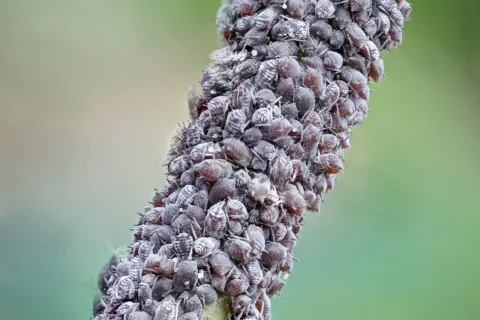
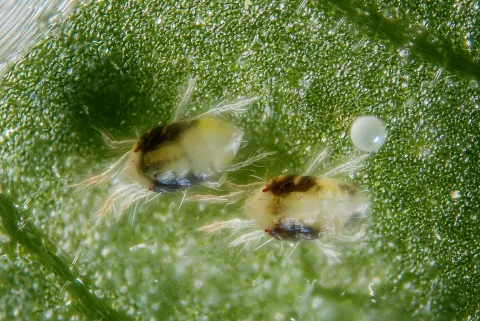
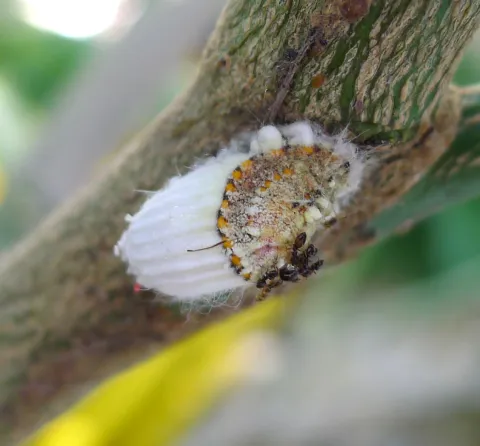
Information
- Lifecycle
- Perennial
- Foliage
- Deciduous
- Exposures
- SunHalf-shade
- Substrate
- Humus soil
- Planting methods
- Open groundIn potsIn tubsPlanter
- Categories
- IndoorBulbHerbaceous
- Tags
- Cold-sensitiveThirstyToxic
- Origins
- Central AmericaSouth America
- Hardiness (USDA)
- 11a (4.4°C ≤ T° < 7.2°C)
- Leaf colors
- Dark greenWhiteRose
- Flower colors
- WhitePale yellow
Discover plants from the same family

Caladium bicolore
Caladium bicolor


Caladium White Queen
Caladium bicolor 'White Queen'

Caladium Red Flash
Caladium bicolor 'Red Flash'
Find all our tips in the Monstera application








