Peperomia polybotrya, Peperomia 'Raindrop'
Peperomia polybotrya
- Exposures
- Sun, Half-shade
- Hardiness (USDA)
- 11b (7.2°C ≤ T° < 10°C)
- Lifecycle
- Perennial
- Foliage
- Evergreen
- Family
- Piperaceae
- Genus
- Peperomia
- Species
- Peperomia polybotrya
String of turtles, Dumb cane, bean... Peperomia's foliage has certainly given rise to many nicknames. And Peperomia polybotrya is no exception. Nicknamed Peperomia 'Raindrop' because of its leaves, this plant of the Piperaceae family comes to us from Colombia, Ecuador and Peru.
How to recognize Peperomia polybotrya, Peperomia 'Raindrop'?
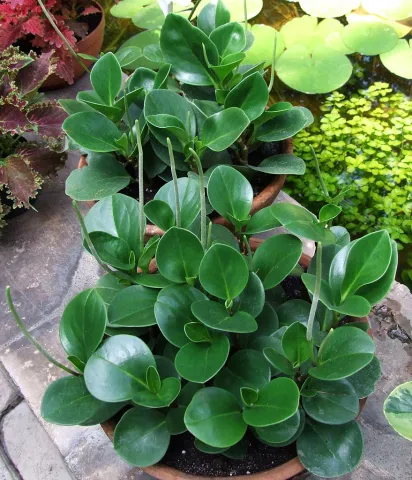
Peperomia polybotrya is an upright, compact perennial. It grows to a height of 30 centimetres in all directions.
The green stem becomes thick with age. It supports long green petioles.
At the end, the leaves are simple. With their bright green, fleshy texture and glossy appearance, they resemble those of chinese money plant. But whereas the leaf blades of Pilea peperomioides are round, those of Peperomia polybotrya are teardrop-shaped. They have a tapering tip and a cordate base.
They flower in summer in the wild. The greenish-white flowers bloom at the tip of a yellowish spadix, which rises above the foliage. The phenomenon is rare indoors.
Peperomia Raindrop is not considered edible. However, it is not toxic if ingested by humans or animals.
Our care tips
Peperomia polybotrya 'Raindrop' is an undemanding tropical plant. The main thing is not to overwater it. It also appreciates light, but fears direct sunlight. Finally, it needs warmth. Never leave it in a room where the temperature falls below 13 degrees, and keep it away from draughts.
 Watering
Keep the soil slightly moist. Water only when the substrate is dry on the surface, for one or two centimeters.
Water with non-calcareous water at room temperature, without soaking the soil.
Thirty minutes after watering, empty any stagnant water from the cup. This will keep the roots dry and prevent them from rotting.
 Misting
Peperomia polybotrya 'Raindrop' like high humidity. Mist their foliage with non-calcareous water, such as rainwater, at room temperature.
 Repotting
In spring, transfer your Peperomia polybotrya to a larger pot, so that it can continue to grow.
In a large, perforated pot, place a bed of clay balls, gravel or small pebbles about 20% of the way up. This layer promotes drainage and prevents root rot.
Fill your pot with a draining substrate, such as potting soil for green plants. Plant your Raindrop Peperomia in the center and cover.
To improve humidity, place your plant in a saucer filled with moist clay balls.
 Fertilization
You can stimulate the development of your plant during its growth phase, in spring and summer, with fertilizer.
Add green plant fertilizer to the watering water in the doses prescribed by the manufacturer.
 Cleaning
Photosynthesis is slowed down by dust accumulating on the leaves. To help your Raindrop Peperomia make the most of its exposure, clean the foliage with a clean, damp cloth.
Dusting also helps prevent pest attacks.
 Prune
Remove yellowed or dried leaves and wilted flowers
 Pinch
Pinch your Peperomia polybotrya during its growing season.
Pinch stem ends to encourage branching and maintain dense growth.
 Taking cuttings
Propagation by cuttings is carried out during the strong growth phase, generally in spring and early summer.
Take a healthy leaf. Cut it into two equal parts lengthwise using clean, sharp scissors.
In a pot with drainage holes, pour in a layer of gravel or clay pellets, followed by the substrate. To promote growth, choose a rich substrate such as a horticultural potting mix or a mix for seedlings and planting. You can add sand for drainage. Plant your cutting and cover the roots with soil.
Place your cutting in a bright spot, but out of direct sunlight.
Place your cutting in a bright spot, but out of direct sunlight.
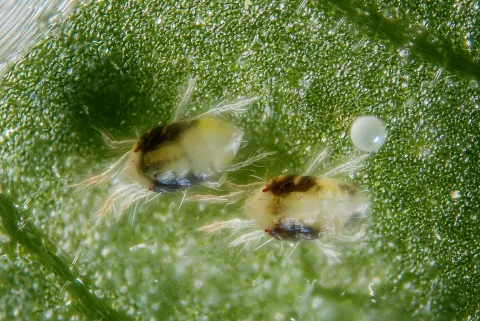
Disease / Threat
Information
- Lifecycle
- Perennial
- Foliage
- Evergreen
- Exposures
- SunHalf-shade
- Substrate
- Humus soil
- Planting method
- In pots
- Categories
- IndoorHerbaceous
- Tag
- Beginner
- Origin
- South America
- Hardiness (USDA)
- 11b (7.2°C ≤ T° < 10°C)
- Leaf color
- Dark green
- Flower colors
- WhitePale green
Discover plants from the same family

Peperomia Watermelon
Peperomia argyreia

Dumb cane
Peperomia caperata

Peperomia Hope
Peperomia tetraphylla
Find all our tips in the Monstera application








