Philodendron 'Imperial Red', leaves that change from red to green
Philodendron erubescens ‘Imperial Red’
- Exposure
- Half-shade
- Hardiness (USDA)
- 11b (7.2°C ≤ T° < 10°C)
- Lifecycle
- Perennial
- Foliage
- Evergreen
- Family
- Araceae
- Genus
- Philodendron
- Species
- Philodendron erubescens
Other name:Philodendron Red Imperial
The Philodendron 'Imperial Red' is believed to have been developed in the 1980s from Philodendron erubescens. Like the botanical variety, it belongs to the Araceae family. And like it, it has leaves that change color as they age.
How can you recognize the Philodendron 'Imperial Red'?
The Philodendron 'Imperial Red' is a perennial plant with a compact, bushy growth habit. When grown in a pot indoors, it measures between 60 and 90 centimeters in height and spread.
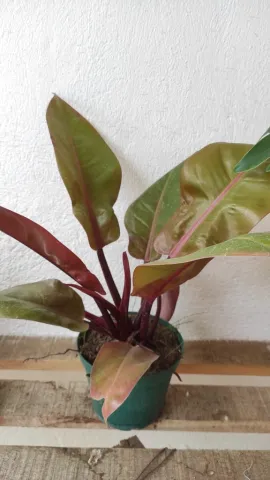
The stems are red when they first emerge. They turn dark green once they reach maturity.
The leathery, glossy leaves also change color over time. Starting out coppery red, they then turn light green. Eventually, they develop a dark green, almost black hue with purple and violet highlights. Their shape, however, remains the same. Heart-shaped, the leaf blades reach 45 centimeters in length when fully grown.
The Philodendron 'Imperial Red' is toxic. It contains calcium oxalate crystals, a substance that is harmful and irritating to humans and animals. Do not let your cat or dog nibble on the leaves, and wear gloves when repotting or pruning the plant.
Our care tips
‘Imperial Red’ Philodendrons enjoy part shade, regular watering and high humidity. If you have several, group them together to improve humidity!
 Watering
‘Imperial Red’ Philodendrons appreciate moderate, regular watering. Between two applications of water, leave the potting soil to dry out by two or three centimetres. Check this simply by touching the soil.
Always use water at room temperature to avoid thermal shock, which can damage the roots.
Be sure to remove any standing water in the saucer or planter.
 Misting
Brumisez le feuillage avec une eau non calcaire améliore l'hygrométrie et lutte contre les attaques de nuisibles.
 Repotting
Every year in the spring, repot your Philodendron erubescens ‘Imperial Red’ to give it more space.
Get a pot with drainage holes that's larger than the previous one. Line the bottom with clay pellets or small stones to improve drainage.
Add a layer of potting soil for houseplants. Do you want to grow your Philodendron 'Imperial Red' as a climbing plant? Set up your support stake. For example, you can choose a model covered with sphagnum moss or coconut fiber.
Plant your Philodendron 'Imperial Red' and add more substrates. You can encourage your plant to cling to the stake by very gently tying its stems to the stake with string. Water generously to help it take root.
If the air in your home is dry, place the pot on a saucer filled with moist clay pellets. This helps maintain humidity.
 Fertilization
To promote the growth of your Philodendron erubescens ‘Imperial Red’, apply fertilizer in spring and summer.
To stimulate the growth of your Philodendron erubescens ‘Imperial Red’, use a liquid fertilizer for green plants.
 Cleaning
The pages may collect dust. If you choose to clean them, gently dust them with a clean, damp cloth.
 Prune
You don't have to prune your Philodendron 'Imperial Red'. However, if the plant becomes too imposing, you can shorten the vines to control its dimensions.
Cut just above a node to encourage branching. Use a clean, sharp tool, such as scissors or pruning shears.
The plant is toxic. Wear gloves to protect yourself from its sap and avoid skin irritation.
The plant is toxic. Wear gloves to protect yourself from its sap and avoid skin irritation.
 Pinch
Pinch your Philodendron erubescens ‘Imperial Red’ during its growing season.
‘Imperial Red’ Philodendrons These are not plants that are pruned. If your plant grows larger than your living room, you can pinch off the tip of the stem. The plant will stop growing upward and produce new leaves at its base.
Remember that the sap and leaves can cause irritation! Be sure to wear gloves when handling your plant.
Remember that the sap and leaves can cause irritation! Be sure to wear gloves when handling your plant.
 Taking cuttings
Propagation by cuttings is carried out during the strong growth phase, generally in spring and early summer.
Locate a stem with leaves and aerial roots. Using clean pruning shears, cut a section about fifteen centimetres long. Cut two centimetres below a node.
Remove the limbs at the base of the stem. Keep only the two terminal leaves.
In a pot with drainage holes, pour in potting soil for houseplants. Make a small hole using a pen or a stick. Plant your cutting in the center
Gently firm the soil to remove air pockets and water with room-temperature water to encourage rooting.
Place your cutting in a bright spot, but out of direct sunlight.
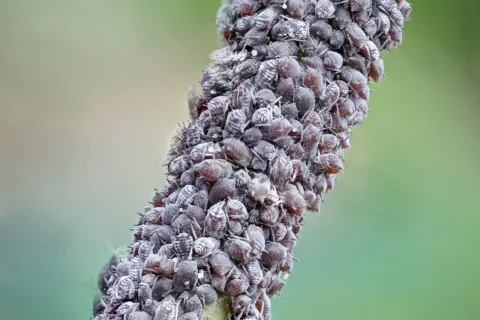
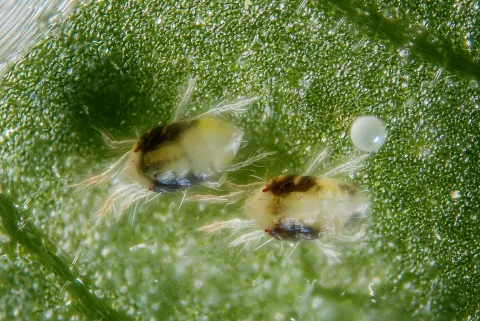
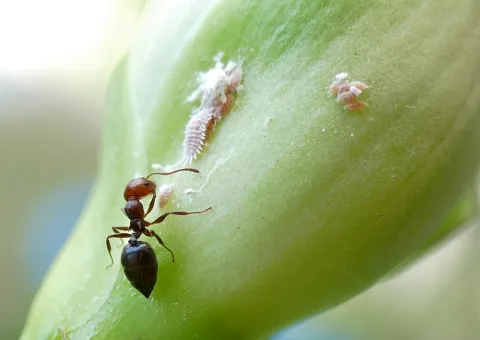
Diseases / Threats
Information
- Lifecycle
- Perennial
- Foliage
- Evergreen
- Exposure
- Half-shade
- Substrate
- Humus soil
- Planting methods
- In potsIn tubs
- Categories
- ClimberIndoorHerbaceous
- Tags
- BeginnerCold-sensitiveToxic
- Origin
- South America
- Hardiness (USDA)
- 11b (7.2°C ≤ T° < 10°C)
- Leaf colors
- Dark greenLight greenRedBlack
Discover plants from the same family
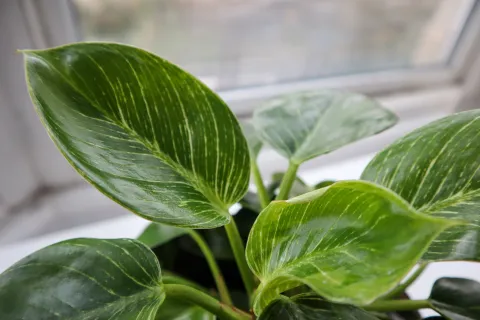
Philodendron 'Birkin'
Philodendron erubescens 'Birkin'
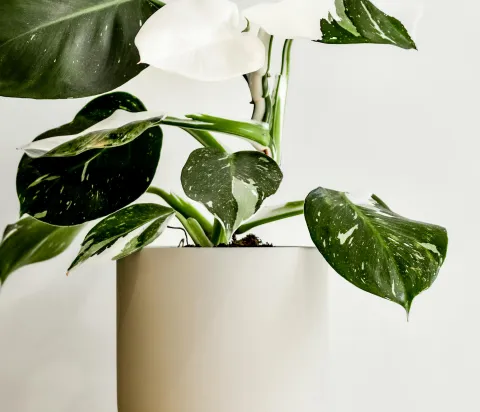
Philodendron 'White Wizard'
Philodendron erubescens ‘White Wizard’
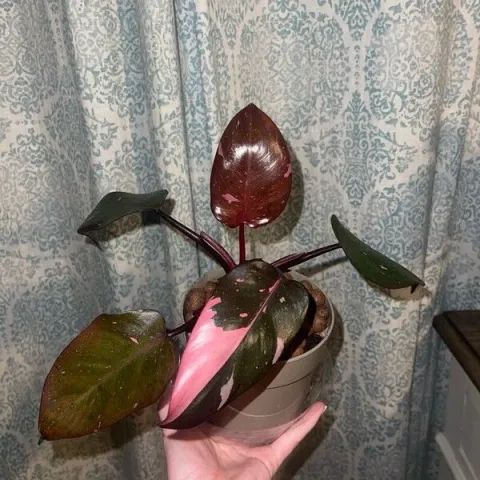
Philodendron 'Pink Princess'
Philodendron erubescens 'Pink Princess'
Find out more
Find all our tips in the Monstera application








