Mammillaria zeilmanniana, a small flowering cactus
Mammillaria zeilmanniana
- Exposure
- Sun
- Hardiness (USDA)
- 10a (-1.1°C ≤ T° < 1.7°C)
- Lifecycle
- Perennial
- Foliage
- Evergreen
- Family
- Cactaceae
- Genus
- Mamillaria Mammillaria
- Species
- Mammillaria zeilmanniana
Other names:Chilita zeilmanniana, Ebnerella zeilmanniana, Mammillaria crinita f. zeilmanniana, Neomammillaria zeilmanniana
Dozens of different Mammillaria varieties grow in the Mexican deserts. One of the cutest is undoubtedly Mammillaria bombycina. Smaller than mammillaria elongata and mammillaria spinosissima, it does not exceed fifteen centimeters in height.
How can you identify Mammillaria zeilmanniana?
Mammillaria zeilmanniana is a cactus barely fifteen centimeters tall. Young specimens grow solitary and have an upright habit. After a few years, they produce offshoots and form dense, bushy clumps.
The cylindrical or globular stem reaches a maximum diameter of eight centimeters. Dark green in color, it is covered with woolly areoles. Each areole bears white, erect spines. These surround reddish-brown spines that are curved like fishhooks.
Flowering generally occurs in the spring. Pink, and sometimes white, flowers bloom at the top of the cactus.
Mammillaria zeilmanniana is not toxic. However, the spines can be sharp! Keep your cactus out of reach of pets and young children. Also, wear gloves when handling it to protect yourself!
Our care tips
Your plant needs watering in winter only when the temperature is above 18°C. If it spends the off-season outdoors or in an unheated greenhouse, you can stop watering between November and March.
 Watering
Your Mammillaria zeilmanniana supports mains water. You can water it with reclaimed rainwater or tap water.
Before watering, make sure the surface of the soil is at least five centimetres dry.
Don't forget to drain any stagnant water in the saucer or planter.
 Misting
Your Mammillaria zeilmanniana hates wet foliage. Don't mist the plant.
 Repotting
In spring, transfer your Mammillaria zeilmanniana to a larger pot, so that it can continue to grow.
Obtain a pierced pot one size larger than the previous one.
Fill the bottom with a very light, draining substrate such as commercially available potting soil for cacti and succulents. Plant your Mammillaria zeilmanniana in the center and add potting soil. Stop a few centimetres below the rim of the pot to form a watering trough.
Tamp down and wait three or four days for the soil to dry before watering.
 Fertilization
You can stimulate the development of your plant during its growth phase, in spring and summer, with fertilizer.
You don't have to fertilize your plant to make it grow. However, if you want to stimulate its growth, you can give itfertilizer for cacti and succulents.
 Planting
Once the last spring frosts have passed, you can plant.
Select a sunny location. If possible, choose a slope or embankment: water will run off more easily and roots will be less likely to rot.
Dig a hole the size of the root ball. Plant your Mammillaria zeilmanniana in the middle. Fill with a mixture of potting soil and sand. Pack by hand and water to eliminate air pockets.
 Sowing
Your seedlings need warmth. Summer is the best time to get started.
Fill a perforated pot with potting soil for cacti and succulents. You can also mix horticultural potting soil for seedlings (two-thirds) with gravel or sand (one-third). Water the soil to keep it moist, but not soggy.
Place your seeds on the substrate. If they're very small, you don't need to cover them with soil.
Seedlings take better if they 're stifled. Place your pot in a mini greenhouse or cover them with a transparent plastic bag. Your seeds also need heat to grow. You can use a heating mat to maintain a temperature of between 23 and 27°C. Place the cuttings in semi-shade.
Open your greenhouse for a few minutes a day and spray the substrate to keep it moist.
 Taking cuttings
Cutting is carried out during the strong growth phase, generally in spring and early summer.
After a few years, your Mammillaria zeilmanniana produces shoots. You can divide them to multiply the plant.
Once the plant has been dug up, separate one of the shoots, with its roots. Beware of thorns! Remember to wear gloves when handling your Mammillaria zeilmanniana.
Pour a light, well-drained substrate into a pierced pot. You can use potting soil for cacti and succulents or a mixture of ordinary potting soil and sand.
Plant your cutting, burying the first two centimetres in the soil. Place the cup in partial shade.
Wait ten to fifteen days for the cuttings to root before watering.
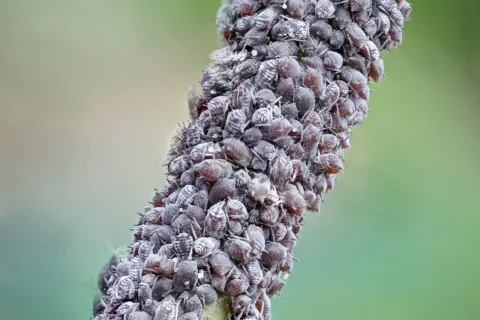
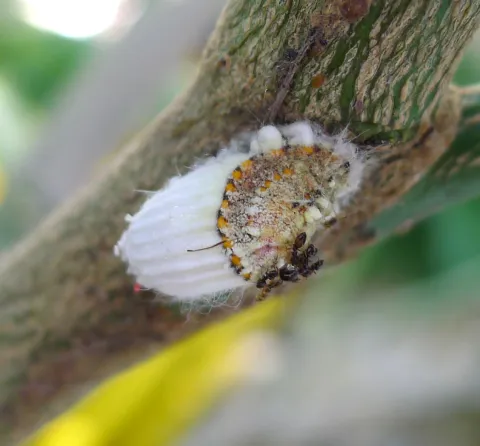
Diseases / Threats
Information
- Lifecycle
- Perennial
- Foliage
- Evergreen
- Exposure
- Sun
- Substrate
- Calcareous earth
- Planting methods
- Open groundIn potsIn tubs
- Tags
- BeginnerFlowerySmall pot
- Origin
- Central America
- Hardiness (USDA)
- 10a (-1.1°C ≤ T° < 1.7°C)
- Leaf color
- Dark green
- Flower colors
- WhiteRose
Discover plants from the same family


Find out more
Find all our tips in the Monstera application








