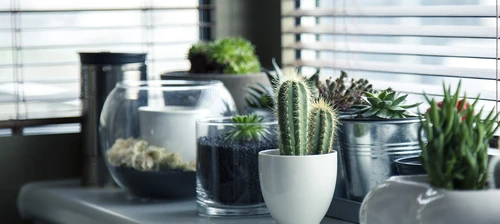
The remontant strawberry Fragaria x ananassa, the strawberry that bears fruit several times a year
Fragaria x ananassa
- Exposure
- Sun
- Hardiness (USDA)
- 5a (-28.9°C ≤ T° < -26.1°C)
- Lifecycle
- Perennial
- Foliage
- Semi-evergreen
- Family
- Rosaceae
- Genus
- Strawberry Fragaria
- Species
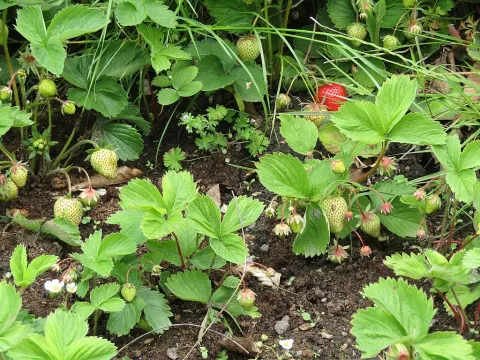
- Cultivated strawberry Fragaria × ananassa
Would you like to enjoy strawberries from your garden all summer long? Plant a remontant strawberry plant! These cultivars can produce several harvests of fresh fruit throughout the year.
What is a remontant strawberry plant?
Everbearing strawberry plants, also known as 4-season strawberry plants, are hybrid strawberry plants obtained from Fragaria × ananassa (Fragaria x ananassa). They bear fruit several times a year, between May and the first frosts. The first harvest is generally larger than subsequent harvests.
What are the varieties of remontant strawberry?
Fragaria x ananassa is the origin of several varieties of remontant strawberry plants, including :
- Mara des bois ;
- Charlotte ;
- Reine des vallées ;
- Annabelle ;
- Maestro ;
- Gento ;
- Cijosé ;
- Rabunda ;
- Cirafine ;
- Ostara ;
- Anaïs.
How to recognize a remontant strawberry plant?
Strawberry plants are herbaceous perennials with a spreading habit. They generally grow to no more than 25 cm in height and 30 cm in spread.
The oval, three-leafed leaves grow atop a long, hairy petiole. Bright green, with toothed margins and hairy undersides.
Flowering begins in late spring and continues until autumn. The flowers have five rounded, white or pale pink petals and a yellow heart.
Fruit shape, size and color vary according to variety. Bright red and heart-shaped like Fragaria x ananassa 'Charlotte', strawberries can also be pale pink like 'Anablanca' or orange and ovoid like 'Anaïs'. The taste of the fruit also depends on the cultivar. For example, 'Reine des vallées' offers very sweet fruits, while those of the 'Cirafine' variety reveal a hint of acidity.
Everbearing strawberries are non-toxic. Their leaves and runners pose no danger to you or your pets.
Which to choose: remontant or non-remontant strawberry?
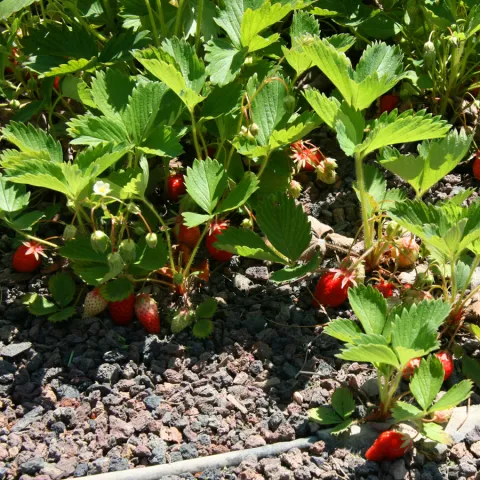
Everbearing strawberry plants allow you to enjoy fruit early in the year and for several months. However, the size of the strawberries is smaller than with a non-remontant variety. If you want to harvest a lot of large fruit quickly, for jam-making for example, choose a Non-remontant strawberry.
Our care tips
Everbearing strawberry plants are greedy plants. Change their soil or location every three years so they don't exhaust the soil. Take the opportunity to renew your plants so that they continue to be productive.
 Watering
Water your plant generously during the growing season.
Your Fragaria x ananassa loves water. You need to water it regularly to keep the soil moist, but not soggy.
Water at the base, without wetting the foliage, preferably with rainwater. If you don't have any, you can use tap water.
Adapt your watering when the days get shorter.
Water the base of your Everbearing strawberry when the substrate surface is dry. Do not wet the leaves to avoid the development of diseases and fungi. Watering is best done with rainwater at room temperature.
Water moderately to keep the soil fresh. Avoid watering if the ground is frozen to preserve the roots.
 Repotting
Soak your Everbearing strawberry to rehydrate its roots.
Get a perforated container (pot, planter, tub, etc.). Line the bottom with clay balls or gravel to improve drainage. Then pour in a layer of soil. Choose a rich substrate, such as potting soil or a mixture of garden soil, sand and leaf compost or compost.
Plant your Everbearing strawberry without burying the crown, leaving a distance of at least 25 centimetres between the individual plants.
Tamp lightly and water to encourage rooting. You can also mulch the base to retain moisture and limit watering.
 Fertilization
Everbearing strawberry plants are greedy. Your harvest will be more abundant if you fertilize them with a special strawberry or fruit tree fertilizer.
Place a little compost at the foot of your Everbearing strawberry to enrich the soil and accelerate growth.
 Prune
Prune
To encourage the growth of your Everbearing strawberry, prune regularly.
Remove stained, damaged or dry leaves to prevent fungus. Also cut stolons to avoid exhausting the plant.
Use clean, sharp pruning shears to facilitate healing and prevent the spread of disease.
In addition, remove any weeds that may be hindering the growth of your Everbearing strawberry.
In addition, remove any weeds that may be hindering the growth of your Everbearing strawberry.
Everbearing strawberry plants deplete the soil after a few years. Pull up your plants and plant them elsewhere. You can use the opportunity to renew them.
 Planting
Soak the root ball of your Everbearing strawberry to rehydrate the roots. Meanwhile, prepare the soil. Spade and remove stones, roots and weeds. Mix the soil with a base fertilizer, manure or compost.
Form mounds about 60 centimetres high, with a 50-centimetre path on either side. The height prevents water from stagnating at root level, and the pathway makes picking easier.
Plant each Fragaria x ananassa at the top of the mound. Make sure the crown is not buried. If you're planting several plants, space them at least 25 centimetres apart. Fill in the hole with garden soil or universal potting compost.
Tamp gently and water generously to encourage rooting.
Everbearing strawberry plants like cool soil. Mulch to retain moisture and limit the spread of weeds.
 Sowing
Once the risk of frost has passed, you can sow your Fragaria x ananassa seeds.
At the remontant strawberry, the seeds need to be exposed to cold to germinate.
Place the seed packet in an airtight container and put it in the refrigerator for two to four weeks. You can also spread the seeds on damp paper towels and seal everything in an airtight food bag before placing it in the refrigerator.
Pour special potting soil for seedlings and cuttings into an unperforated tray or bowl. Tamp the surface to even out the soil.
Spread the seeds over the surface of the potting soil and press lightly with your fingers to ensure contact with the soil.
Spray with water to moisten the substrate without displacing the seeds.
Cover the seedling with plastic film or a cloche to retain moisture. Place in a bright spot at a temperature of around 18-22°C. Mist regularly to keep the substrate moist.
 Taking cuttings
Cutting takes place in autumn.
Locate a stolon (an aerial stem with the beginnings of a root). Remove this seedling with a sharp, clean tool.
Plant the roots of your stolon in the ground and hold it in place with an iron rider.
You can plant your stolon in the ground, next to the mother plant, or in a pot filled with garden soil or universal potting compost and placed nearby. Water generously. At this stage, your stolon is still attached to the main plant.
Diseases / Threats
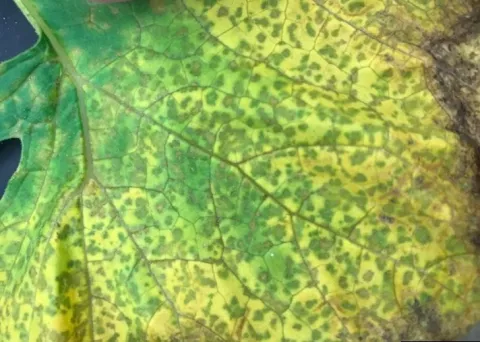
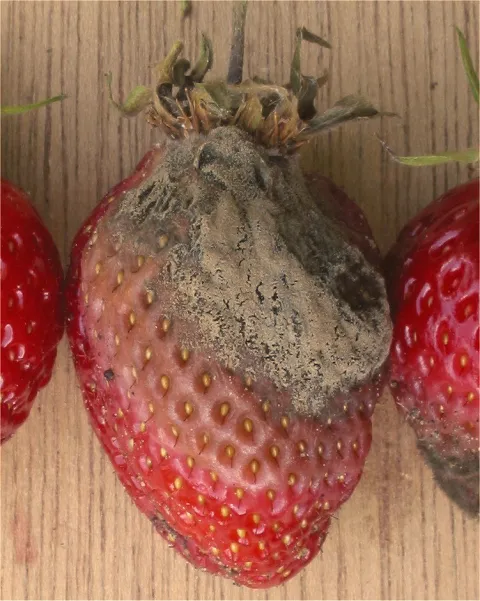
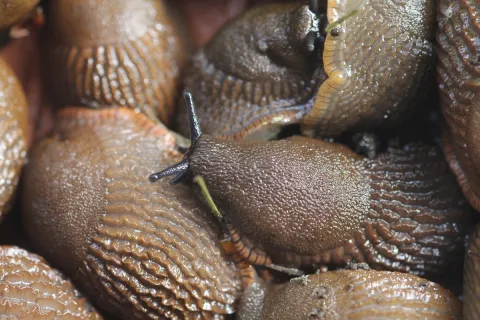
Information
- Lifecycle
- Perennial
- Foliage
- Semi-evergreen
- Exposure
- Sun
- Substrate
- Humus soil
- Planting methods
- Open groundIn potsIn tubsPlanter
- Category
- Fruit tree
- Tags
- Edible fruitBeginnerHardy
- Origins
- Northern EuropeEastern EuropeSouthern EuropeWestern Europe
- Hardiness (USDA)
- 5a (-28.9°C ≤ T° < -26.1°C)
- Leaf colors
- Dark greenLight green
- Flower colors
- WhiteRose
- Fruit colors
- WhiteRedRoseSalmonYellowOrange
Discover plants from the same family
Cultivated strawberry
Fragaria × ananassa
Non-remontant strawberry
Fragaria x ananassa
Woodland strawberry
Fragaria vesca
Black Aronia
Aronia melanocarpa
Find all our tips in the Monstera application