The Cymbidium Sarah Jean orchid, a cascade of flowers
Cymbidium Sarah Jean
- Exposure
- Sun
- Hardiness (USDA)
- 11b (7.2°C ≤ T° < 10°C)
- Lifecycle
- Perennial
- Foliage
- Evergreen
- Family
- Orchids Orchidaceae
- Genus
- Boat orchid Cymbidium
- Species
- Cymbidium Sarah Jean
A descendant of Cymbidium floribundum and Taiwanese, Vietnamese, and Chinese mountain orchids, the Cymbidium Sarah Jean orchid has inherited the abundant blooms of its ancestors. With its cascades of fragrant flowers, it is a perfect variety for hanging baskets and tall vases.
How can you recognize the Cymbidium Sarah Jean orchid?
The Cymbidium Sarah Jean is an epiphytic or terrestrial orchid. This miniature hybrid does not exceed 60 centimeters in any direction. Its flower spikes seem to bend under the weight of the clusters of flowers. When curved in this way, they give the plant its trailing habit.
The Cymbidium Sarah Jean has the evergreen foliage characteristic of Cymbidium. The long, lance-shaped leaves emerge from the pseudobulbs and form a spiky crown.
Flowering occurs from January through May and lasts up to twelve weeks. The flower spikes emerge from the center of the foliage. They bear up to 30 flowers, clustered in a dense spike along the stem. Slightly fragrant, the flowers measure five to seven centimeters in diameter. Their petals and sepals are rounded.
The color of the flowers depends on the variety. Cymbidium Sarah Jean Ice Cascade orchids are white with a pinkish labellum. The Trish and Peach cultivars have an orange hue, while the Paradise cultivar is pale green.
Regardless of its color variations, the Cymbidium Sarah Jean orchid is non-toxic. It safely decorates your home. However, if you have sensitive skin or are prone to skin allergies, it is advisable to wear gloves when handling the plant.
Our care tips
The Sarah Jean Cymbidiums are well suited to the temperature of our homes. But if you have a conservatory or veranda, install your plant there. It will flower more abundantly and for longer than in a heated room.
 Watering
The plant should be watered when the surface of the root ball is dry (about one centimeter deep).
The Sarah Jean Cymbidiums tolerant of slightly hard water. You can water them with tap water. If the water is chlorinated, let it stand for 24 hours before use.
Water abundantly with water at room temperature. The amount of liquid should correspond to the size of the root ball.
Drain off any stagnant water in the saucer or planter. It could rot the roots.
 Misting
The Sarah Jean Cymbidiums like high humidity. Mist their foliage with non-calcareous water, such as rainwater, at room temperature.
 Repotting
In spring, transfer your Cymbidium Sarah Jean to a larger pot, so that it can continue to grow.
The Sarah Jean Cymbidiums hate change and like to be cramped. Re-pot only when roots and pseudobulbs have colonized the pot.
Choose a deep pierced plastic pot. Its diameter and height should be greater than those of the old container. Prepare a mixture of potting soil for flowering plants (two-thirds) and bark (one-third). You can also use a commercially available orchid mix. Fill the bottom of the pot with a layer of substrate and tamp down.
Remove your Cymbidium Sarah Jean from its container. If the plant is difficult to dislodge, don't force it. Instead, cut the plastic with scissors. Remove the substrate, loosen the roots and remove any dead bulbs.
Try to identify the front of the plant (where new shoots form) from the back. Plant your specimen with the back of the plant against the pot. This will give the new bulbs more room to grow. Fill in with substrate up to the bulb's limit.
Don't water for a month after repotting. Just mist the substrate to keep it moist. When new roots appear, you can resume watering from above.
 Fertilization
Fertilize your plant all year round, except in midsummer.
Add orchid fertilizer to watering water. You can alternate between a growth fertilizer and a bloom fertilizer.
 Prune
After flowering, cut off wilted flowering stems at the base. You can do this by hand or with a clean, sharp tool such as secateurs or scissors.
 Taking cuttings
Cutting is carried out during the strong growth phase, generally in spring and early summer.
When dividing your plant, be sure to always keep at least three healthy pseudobulbs per plant.
After cleaning the roots, separate the pseudobulbs. You can use clean pruning shears or your hands.
Prepare a deep pierced pot. Fill the bottom with a mixture of potting soil and bark. You can also use a commercially available orchid mix. Place your cutting against one side of the pot, to leave room in front for future pseudobulbs. Fill with substrate and tamp down.
Stop watering and fertilizing for a month. Mist the soil with water to keep it moist.
Diseases / Threats
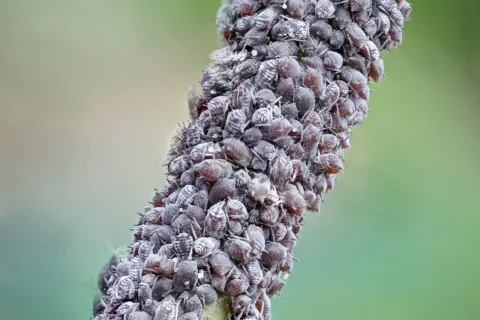
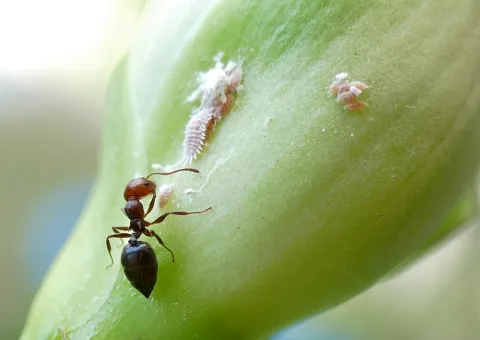
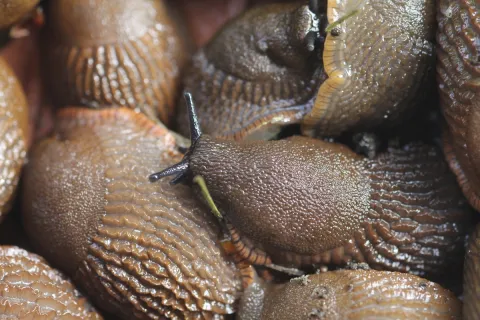
Information
- Lifecycle
- Perennial
- Foliage
- Evergreen
- Exposure
- Sun
- Substrate
- Humus soil
- Planting methods
- In potsIn tubs
- Categories
- IndoorFloweryHanging plants
- Tag
- Flowery
- Origins
- East AsiaSoutheast Asia
- Hardiness (USDA)
- 11b (7.2°C ≤ T° < 10°C)
- Leaf color
- Light green
- Flower colors
- WhiteOrangePale green
Discover plants from the same family

Boat orchid
Cymbidium

Cymbidium with Aloe leaves
Cymbidium aloifolium


Moon Orchid
Phalaenopsis amabilis
Find all our tips in the Monstera application








