Cocos nucifera, the coconut palm
Cocos nucifera
- Exposure
- Sun
- Hardiness (USDA)
- 12a (10°C ≤ T° < 12.8°C)
- Lifecycle
- Perennial
- Foliage
- Evergreen
- Family
- Arecaceae
- Genus
- Cocos
- Species
- Coconut palm Cocos nucifera
Other names:Palma cocos, Calappa nucifera, Cocos indica, Cocos mamillaris, Cocos nana, Diplothemium henryanum
Synonymous with warm sand and tangy cocktails, the coconut palm, in Latin Cocos nucifera, doesn't just grow on dream beaches. This plant, native to the Philippines, Australia and Polynesia, can also be grown in pots and indoors.
How to recognize the coconut palm, Cocos nucifera?
Taller than syagrus romanzoffiana, Cocos nucifera can grow up to 40 metres high in the ground and in its natural environment. Grown in pots and indoors, this palm doesn't exceed three meters in height.
Cocos nucifera is not a tree. It does not have a trunk, but a single stipe. The light-colored bark is covered with diamond-shaped leaf scars.
In mature coconut palms, the stipe bears a crown of some thirty bright-green pinnate leaves. These are up to six meters long, with 200 to 300 lanceolate leaflets. Young, immature leaves are whole and uncut.
The coconut blooms all year round. The white or yellow flowers arise from a pointed spathe, which appears in the leaf axils.
The fruit, the coconut, grows on a diet. The drupe measures up to 40 centimetres long and 16 centimetres wide. The fibrous husk is brown, green or yellow, with three darker spots at the base. These are the germination spores. Opening the fruit reveals edible white flesh and milk.
Cocos nucifera is not toxic. Its fruit and foliage, like its stipe, pose no danger to humans or pets.
Our care tips
Coconut palms are difficult plants to care for indoors. Especially as the specimens sold commercially are often simple sprouted coconuts. Even with good care, plenty of sun and high humidity, yours may only survive a few months.
 Watering
Coconut palms like to keep feet cool. Keep the substrate moist, especially in summer, watering as soon as the soil dries on the surface (by less than a centimetre).
Always use rainwater at room temperature. It's non-calcareous and provides the plant with the nutrients it needs to thrive.
 Misting
Your Coconut palm is a tropical plant. It appreciates humidity. Spray its foliage with water at room temperature.
Avoid calcareous water, which leaves white marks on the leaves. Prefer rainwater or filtered water.
 Repotting
Every year in the spring, repot your Cocos nucifera to give it more space.
Repot your Coconut palm in a perforated pot and a highly draining substrate. For example, mix houseplant potting soil with perlite, sand or pozzolan.
Plant your Coconut palm by burying the coconut. The fruit must decompose for the root system to develop. Water the substrate to remove air bubbles.
You can mulch the surface to retain moisture.
 Fertilization
To promote the growth of your Cocos nucifera, apply fertilizer in spring and summer.
Addgreen plant fertilizer to watering water.
 Cleaning
To improve photosynthesis, clean the foliage with a damp sponge.
 Prune
Prune
To encourage the growth of your Coconut palm, prune regularly.
Remove dry palms with a clean, sharp tool. Be careful; the leaves are sharp. Wear gloves to avoid injury.
 Sowing
Your seedlings need warmth. Summer is the best time to get started.
Soak your fresh coconut in water for three days.
Fill a perforated pot with a well-draining substrate, a mixture of potting soil for green plants and perlite for example. Plant your coconut. Cover it completely with soil.
Place your pot in a warm (over 20°C), well-lit spot. Keep the soil constantly moist, but not soggy.
Place your pot in a warm (over 20°C), well-lit spot. Keep the soil constantly moist, but not soggy.
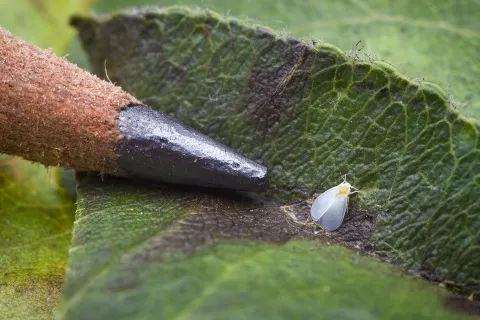
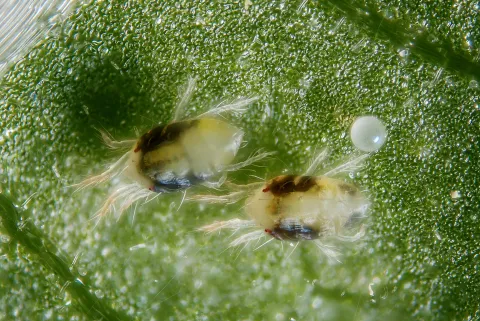
Diseases / Threats
Information
- Lifecycle
- Perennial
- Foliage
- Evergreen
- Exposure
- Sun
- Substrate
- Sandy soil
- Planting methods
- In potsIn tubs
- Category
- Indoor
- Tags
- Edible fruitCold-sensitiveThirsty
- Origins
- East AsiaOceania
- Hardiness (USDA)
- 12a (10°C ≤ T° < 12.8°C)
- Leaf colors
- Dark greenLight green
- Flower colors
- WhiteYellow
- Fruit colors
- Light greenYellowBrown
Discover plants from the same family
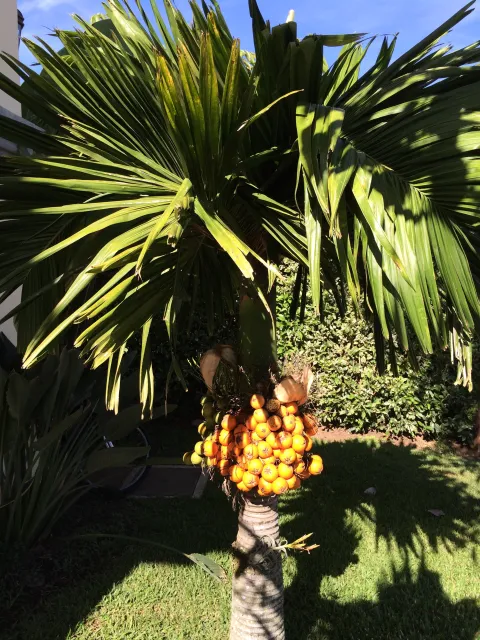
Betel palm
Areca catechu
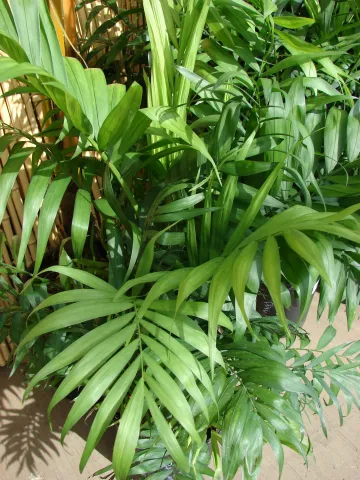
Dwarf palm
Chamaedorea elegans
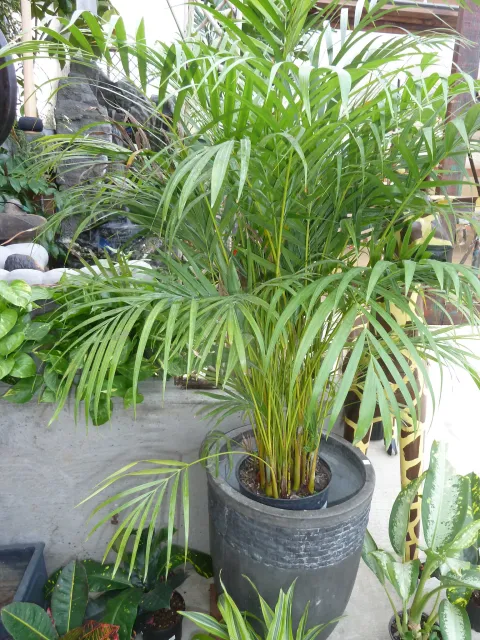
Areca palm
Dypsis lutescens
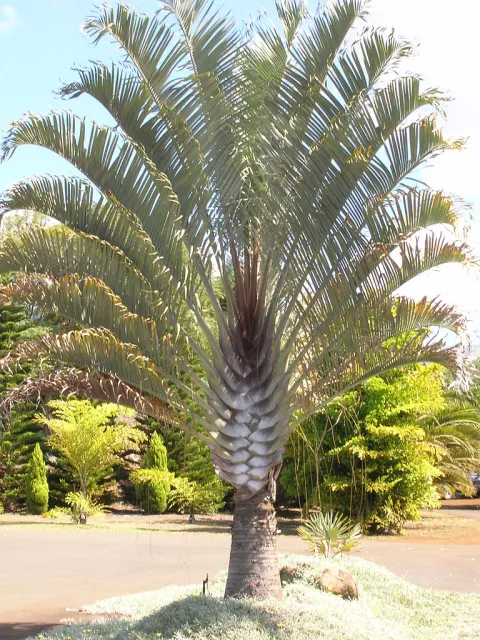
Triangle palm
Dypsis decaryi
Find out more
Find all our tips in the Monstera application