Camellia japonica 'Brushfield's Yellow', a Japanese rose with yellow flowers
Camellia japonica 'Brushfield's Yellow'
- Exposures
- Half-shade, Shade
- Hardiness (USDA)
- 7b (-15°C ≤ T° < -12.2°C)
- Lifecycle
- Perennial
- Foliage
- Evergreen
- Family
- Theaceae
- Genus
- Camellia
- Species
- Japanese Camellia Camellia japonica
Camellia japonica 'Brushfield's Yellow' is a member of the Theaceae family. While japanese Camellia is native to Asia, this cultivar was developed in Australia in the 1970s. Its distinctive yellow and white flowers have earned it the prestigious Award of Garden Merit from the sobritish Royal Horticultural Society.
How to recognize Camellia japonica 'Brushfield's Yellow'?
Camellia japonica 'Brushfield's Yellow' is a branched shrub with a compact, columnar habit. It reaches a height of two meters by one meter.
The alternate leaves are five to eight centimetres long. Evergreen, they are shiny dark green. They are elliptical with slightly serrated edges.
Flowering occurs in late winter and early spring. The single flowers, eight to ten centimetres long, are similar in shape to anemones, with creamy-white petals on the outside surrounding a pale or deep yellow heart.
Japanese Camellia 'Brushfield's Yellow' is non-toxic to animals and humans. You can buy it even if you live with young children, dogs or cats.
Our care tips
Brushfield's Yellow' Camellias are not difficult plants to care for. But they hate limestone. You need to provide them with acid soil and water them with rainwater.
 Watering
Brushfield's Yellow' Camellias can withstand neither drought nor excess water.
Before watering, check the condition of the potting soil. The surface must be at least one centimeter dry.
Before watering, check the condition of the potting soil. The surface must be at least one centimeter dry.
 Repotting
Get a pierced pot that's wider than it is tall. Roots tend to spread out rather than grow deep. Fill the bottom with clay balls to optimize drainage.
Brushfield's Yellow' Camellias grow in acid soils. Prepare a mixture containing 50% heather earth and 50% universal potting soil. Pour on a layer and plant your subject. Fill in with your substrate and press down.
Water with rainwater to expel air bubbles and encourage rooting.
 Fertilization
To promote the growth of your Camellia japonica 'Brushfield's Yellow', apply fertilizer in spring and summer.
Fertilize with a fertilizer for acid-loving plants. You can choose a hydrangea or bougainvillea fertilizer, for example.
 Prune
Remove wilted flowers that don't fall off by themselves.
You don't have to prune your Camellia japonica 'Brushfield's Yellow'. However, it may be beneficial to cut back dry twigs. You can also cut back branches by about ten centimetres after flowering to force the plant to branch out.
Always use a clean, sharp tool to promote healing and prevent disease.
 Planting
When the risk of frost has passed, it's time to plant.
Choose a shady or semi-shadylocation, away from other plantings. Indeed, brushfield's Yellow' Camellias have shallow roots and can't stand competition from other species. You can, however, plant several varieties side by side to form a hedge.
Soak the root ball in rainwater. Meanwhile, dig a hole twice the size of the root ball.
Brushfield's Yellow' Camellias require acid soil. If your soil is acidic, plant the plant and fill in with garden soil.
If your soil is chalky, sandy or basic, place a geothermal felt at the bottom of your hole. Mix equal parts heather soil and universal potting soil. Pour in a layer of substrate, then plant your shrub. Fill in with your mixture.
Mulch to keep the soil cool and protect the roots from the cold. You can use pine bark, for example, which will add acidity as it decomposes.
Water generously with recuperated rainwater to facilitate rooting.
 Taking cuttings
Take a lignified branch about fifteen centimeters long. Remove the flowers and keep only the top pair of leaves.
Prune the tip of your cutting to encourage roots to appear. Using a clean knife, bevel the end of the branch and remove about two centimetres of bark.
You can dip the tip in cutting hormone.
Obtain a perforated pot. Fill it with a mixture of potting soil, sand and heather. Make a pilot hole and plant your cutting.
Cutting is done in a smothered state. Place your cutting in a mini greenhouse or transparent box. You can also cover it with a translucent plastic bag.
Spray the leaves and substrate to maintain a moist atmosphere, and aerate for a few minutes each day.
Keep your cutting indoors, in a bright, heated room.
Diseases / Threats
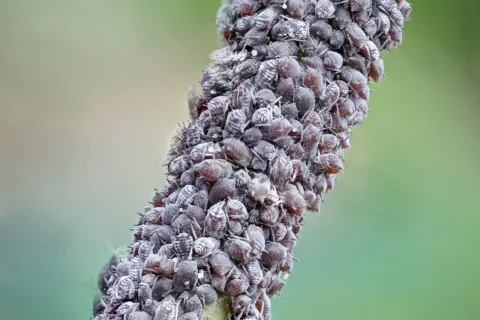
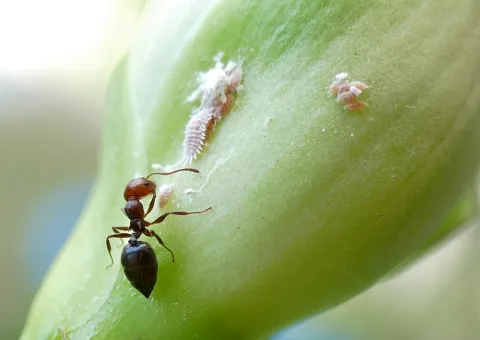
Information
- Lifecycle
- Perennial
- Foliage
- Evergreen
- Exposures
- Half-shadeShade
- Substrates
- Humus soilSandy soil
- Planting methods
- Open groundIn potsIn tubs
- Tags
- BeginnerFloweryHardyThirsty
- Origin
- Southeast Asia
- Hardiness (USDA)
- 7b (-15°C ≤ T° < -12.2°C)
- Leaf color
- Dark green
- Flower colors
- WhiteYellowPale yellowCream
Discover plants from the same family

Japanese Camellia
Camellia japonica

Camellia 'Nuccio's Jewel
Camellia japonica ‘Nuccio’s Jewel’

Camellia 'Nuccio's Pearl
Camellia japonica ‘Nuccio’s Pearl’

Camellia 'Debbie
Camellia japonica ‘Debbie’
Find out more
Find all our tips in the Monstera application








