Araucaria angustifolia, the Parana pine
Araucaria angustifolia
- Exposures
- Sun, Half-shade
- Hardiness (USDA)
- 7b (-15°C ≤ T° < -12.2°C)
- Lifecycle
- Perennial
- Foliage
- Evergreen
- Family
- Araucariaceae
- Genus
- Araucaria
- Species
- Araucaria angustifolia
Other name:Columbea angustifolia
In Brazil, where it is endemic, Araucaria angustifolia is threatened with extinction and harvesting is now prohibited. But there's nothing to stop you buying a specimen from a nursery and planting it at home. As well as helping to save the species, you'll give your garden an exotic look.
How to recognize the Parana pine, Araucaria angustifolia?
The Araucaria angustifolia is over 40 meters tall in its native mountains. The tree has evergreen foliage and a parasol-like habit.
The trunk reaches a meter in diameter. The lower part is free of branches, revealing theresinous bark. Grey on the outside, it's reddish on the inside. This distinguishes the Parana pine from Araucaria araucana (Araucaria auracana), whose bark is brown on the inside.
The dark-green leaves are scale-like. Triangular, thick and leathery, they have a broad base, but sharp edges and tips.
The oblong cones are the male cones. They carry the pollen. The female cones are globose and contain around a hundred seeds. They measure up to 25 centimetres in diameter.
The seeds can be eaten raw or cooked. The rest of the plant is inedible, but Araucaria angustifolia is harmless to humans and animals if touched or ingested.
Our care tips
Araucaria angustifolia need space. Plant them in the ground, away from other crops, so they can flourish. Once established, they'll be virtually maintenance-free.
 Watering
Touch the soil before watering. If it's two to three centimeters dry in summer and four centimeters dry in winter, it's time to give your Araucaria angustifolia a drink.
Water the substrate withrainwater at room temperature. If you don't have any, you can use non-calcareous water. Moisten the rootball until the water runs off through the drainage holes.
Don't forget to empty any stagnant water in the dish. Araucaria angustifolia hate to keep their roots in water. It makes them rot.
 Repotting
Get a pierced pot. Its size depends on your situation. If you've just bought your Araucaria angustifolia, the container should be twice the size of the root ball. If you've already repotted the plant, one size larger than the previous pot will suffice.
Place a layer of universal potting soil on the bottom. Plant your Araucaria angustifolia in the center. The rootball should be three centimetres below the rim of the pot to form a watering trough. Add substrate and tamp gently.
Water to expel air bubbles and encourage rooting.
 Fertilization
To promote the growth of your Araucaria angustifolia, apply fertilizer in spring and summer.
Fertilize your Araucaria angustifolia with a conifer fertilizer once a month. Follow the dosage and manufacturer's instructions to avoid damaging the foliage.
Place a little compost at the foot of your Araucaria angustifolia to enrich the soil and accelerate growth.
 Prune
Your Araucaria angustifolia does not need pruning. On the contrary, pruning could be detrimental to its growth.
You can, however, remove dead branches in early summer using a clean, sharp tool, such as pruning shears.
 Planting
Soak your Araucaria angustifolia. Meanwhile, dig a hole twice the size of the root ball. You can place gravel at the bottom to improve drainage.
Plant your Araucaria angustifolia. The collar should reach ground level. Fill the hole with garden soil. But you can also add sand if your soil is heavy, or potting soil if it's poor.
Water generously to encourage rooting and remove air bubbles.
 Sowing
Once the risk of frost has passed, you can sow your Araucaria angustifolia seeds.
Your seeds are more likely to germinate if you cold stratify them. Do this in winter so you can sow in spring.
Fill an airtight bag (e.g. A freezer bag) with potting soil for sowing and planting. Moisten the substrate. Bury your seeds in the potting soil, seal the bag and place it in the fridge for two months.
Check your mixture regularly to make sure it doesn't rot and remains moist. If any seeds germinate, you can remove them for planting.
Check your mixture regularly to make sure it doesn't rot and remains moist. If any seeds germinate, you can remove them for planting.
For seed-starting potting mix into pots. Plant two to three seeds per pot.
Keep the substrates moist by misting them regularly.
Diseases / Threats
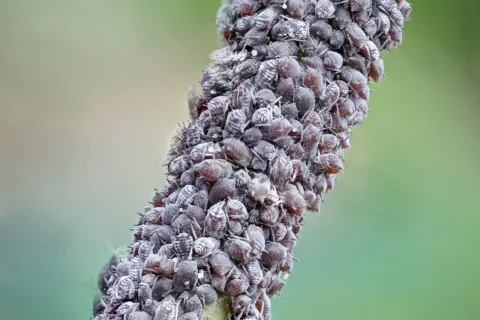
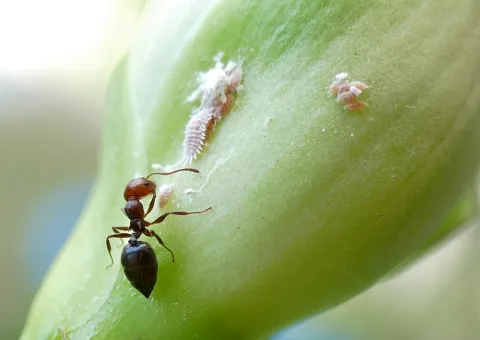
Information
- Lifecycle
- Perennial
- Foliage
- Evergreen
- Exposures
- SunHalf-shade
- Substrate
- Humus soil
- Planting methods
- Open groundIn potsIn tubs
- Category
- Tree
- Tags
- Edible fruitBeginnerHardy
- Origin
- South America
- Hardiness (USDA)
- 7b (-15°C ≤ T° < -12.2°C)
- Leaf color
- Dark green
- Flower color
- Brown
- Fruit color
- Brown
Discover plants from the same family

Monkey's Despair
Araucaria araucana
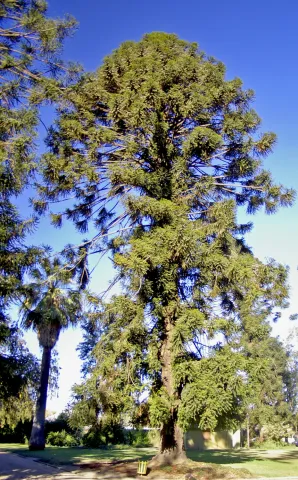
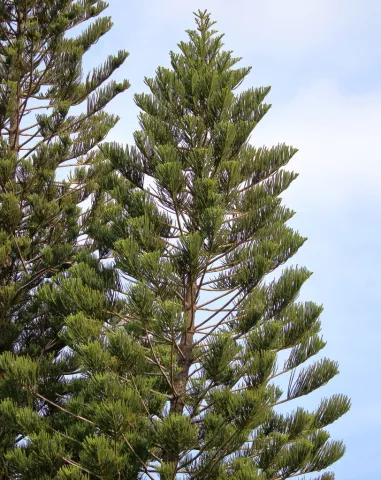
Columnar pine
Araucaria columnaris
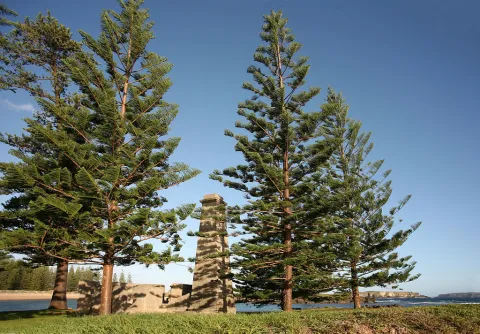
Norfolk pine
Araucaria heterophylla
Find out more
Find all our tips in the Monstera application








