Alocasia 'Tiny Dancer', a dwarf alocasia
Alocasia odora ‘Tiny Dancer’
- Exposure
- Half-shade
- Hardiness (USDA)
- 9b (-3.9°C ≤ T° < -1.1°C)
- Lifecycle
- Perennial
- Foliage
- Semi-evergreen
- Family
- Araceae
- Genus
- Alocasia
- Species
- Alocasia odora
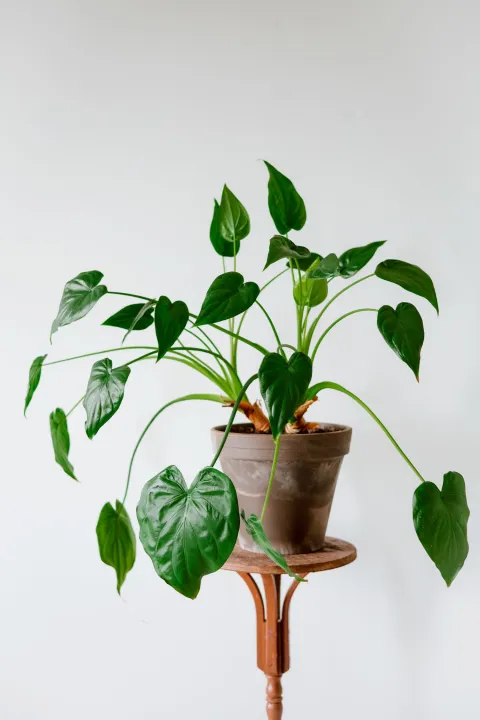
Would you like to welcome a new Alocasia into your home, but don't have enough space? Treat yourself to an Alocasia 'Tiny Dancer'. This dwarf variety was born in 2010, somewhere in a greenhouse in California. Obtained by crossing an Alocasia odora and an Alocasia brisabanensis, it measures less than 50 centimetres.
How to recognize Alocasia 'Tiny Dancer'?
Alocasia 'Tiny Dancer' is an upright perennial. It doesn't exceed 45 centimetres in height and 35 centimetres in width.
The plant is aculeate. The upright, brown, hairless petioles are just nine centimetres long.
They support the tough, glossy leaves. Emerald-green, teardrop-shaped, they reach seven centimetres long and four centimetres wide.
Alocasia 'Tiny Dancer' does not flower, either indoors or outdoors. It produces no flowers, fruit or seeds.
Like alocasia 'Stingray, Alocasia 'Tiny Dancer' is toxic:the plant contains calcium oxalate crystals, a substance harmful to animals and humans. Keep your specimen out of reach of your dog or cat, and remember to wear gloves when pruning or repotting.
Our care tips
Alocasia 'Tiny Dancer are relatively hardy. If you live in a region with mild winters, you can install yours in the garden.
 Watering
To know if you need to water, touch the soil. Water only when the surface of the substrate is dry (two to three centimeters). Use non-calcareous water, such as rainwater, at room temperature.
To prevent the roots from suffocating, don't leave standing water in the saucer or planter.
To prevent the roots from suffocating, don't leave standing water in the saucer or planter.
 Misting
The air in our apartments is too dry for plants used to high humidity. Mist your Alocasia odora ‘Tiny Dancer’ with water at room temperature.
Rainwater is preferable to tap water. Tap water causes white spots on the foliage.
 Repotting
In spring, transfer your Alocasia odora ‘Tiny Dancer’ to a larger pot, so that it can continue to grow.
Choose a shallow drilled pot. Its width should be slightly greater than that of the root ball. Place a bed of clay balls or gravel at the bottom for drainage.
Alocasia 'Tiny Dancer plants need light, draining soil. For the substrate, mix potting soil for green plants, sand and peat. You can also use leaf compost, peat moss and sphagnum moss.
Pour in the substrate and plant your Alocasia 'Tiny Dancer, without burying it too deeply.
Place the pot on a saucer filled with clay balls to increase humidity.
 Fertilization
You can stimulate the development of your plant during its growth phase, in spring and summer, with fertilizer.
Supplement watering with a houseplant fertilizer to promote the development of your Alocasia odora ‘Tiny Dancer’.
If you have just repotted, wait six to eight weeks before starting to fertilize.
 Cleaning
The leaves of your Alocasia 'Tiny Dancer accumulate dust. It interferes with photosynthesis and encourages the appearance of parasites. Clean them with a clean, damp sponge.
Remember that alocasia 'Tiny Dancer is toxic. Wear gloves when dusting.
 Prune
Prune
To encourage the growth of your Alocasia 'Tiny Dancer, prune regularly.
Remove dead leaves and wilted flowers.
 Planting
Soak the rootball of your Alocasia 'Tiny Dancer. Meanwhile, choose a spot in partial shade. Dig a hole twice the size of the root ball.
Plant your Alocasia 'Tiny Dancer in the center. Don't bury it too deeply- the rootball should be flush with the surface.
Fill in with a mixture of garden soil and compost, then water. You can mulch the base with organic matter to protect the plant from the cold.
 Taking cuttings
Cutting is carried out during the strong growth phase, generally in spring and early summer.
Take advantage of the annual repotting to remove the shoots that form on the outside of the plant. If necessary, separate them with pruning shears or a clean, sharp knife.
In a pierced pot, pour a layer of clay balls for drainage. Add potting soil for seedlings and planting.
Using a pencil, make a pilot hole and plant your cutting.
Water at room temperature to help the plant take root.
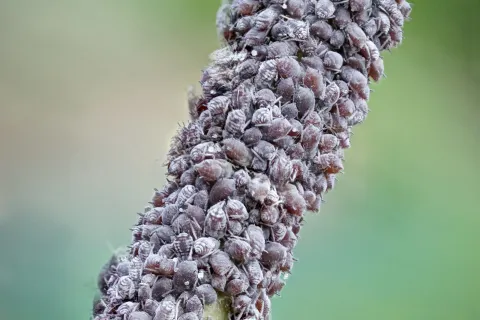
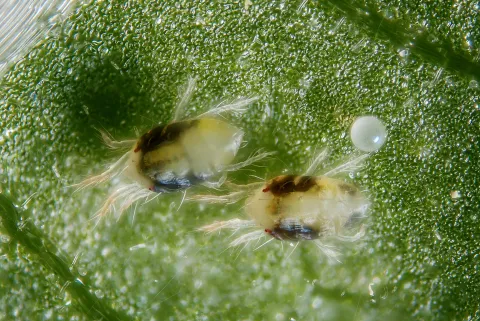
Diseases / Threats
Information
- Lifecycle
- Perennial
- Foliage
- Semi-evergreen
- Exposure
- Half-shade
- Substrates
- Clay soilLoamy soil
- Planting methods
- Open groundIn potsIn tubs
- Categories
- RhizomeHerbaceous
- Tags
- Large potToxic
- Origins
- South AsiaEast Asia
- Hardiness (USDA)
- 9b (-3.9°C ≤ T° < -1.1°C)
- Leaf color
- Light green
Discover plants from the same family
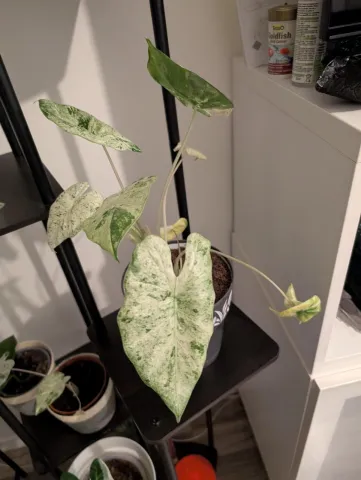
Alocasia 'Batik Variegata'
Alocasia odora 'Batik Variegata'
Find out more
Find all our tips in the Monstera application