Actinidia kolomikta, a kiwi with decorative foliage
Actinidia kolomikta
- Exposures
- Sun, Half-shade
- Hardiness (USDA)
- 8a (-12.2°C ≤ T° < -9.4°C)
- Lifecycle
- Perennial
- Foliage
- Deciduous
- Family
- Actinidiaceae
- Genus
- Kiwi Actinidia
- Species
- Actinidia kolomikta
Other names:Kalomikta mandshurica, Trochostigma kolomikta, Prunus kolomikta, Kiwi arctique
While the yellow kiwi (Actinidia chinensis) and green kiwi (Actinidia deliciosa) are grown for their fruit, Actinidia kolomikta ishighly sought after for its decorative foliage. But you'll need to choose it carefully if you want to enjoy its pink-variegated leaves.
How can you identify Actinidia kolomikta?
Actinidia kolomikta isa dioecious perennialplant ; there are male and female plants.
This ornamental kiwi has a climbing habit. The plant can grow over ten meters tall and five meters wide, and its vines can measure more than six meters.
Actinidia kolomikta is primarily grown for its decorative foliage. In the spring, heart-shaped, bronze-colored leaf blades appear. They then turn green, and on male plants, the leaves are variegated with pink and white.
Both male and female plants bloom. Pink or white flowers begin to bloom in May. These pendulous flowers are no more than one centimeter in size and have a lily-of-the-valley scent.
But only female Actinidia kolomikta plants produce fruit—an orange-green berry barely three centimeters long.
Is Actinidia kolomikta poisonous?
Actinidia kolomikta is not toxic. Its fruits are edible and are consumed in Russia and China.
The plant is not known to be dangerous to dogs and cats. Some cats are even crazy aboutActinidia kolomikta. The vines have the same effect on them as catnip. So, be careful! Carried away by its excitement, your pet might destroy your kiwi plant!
Our care tips
Actinidia kolomikta They bear their first fruit at two or three years of age. However, only plants that are eight years old or older produce a regular and abundant harvest.
 Watering
Let the soil dry out on the surface between waterings. Water your Actinidia kolomikta with non-hard water, such as collected rainwater. To avoid water stress, make sure the water is at room temperature.
If you use a saucer or a planter, remove any standing water from the bottom. It may cause the roots to rot.
 Repotting
Actinidia kolomikta is a climbing plant. You should provide a stake or plant it near a support (pergola, wall, arbor, etc.).
If you've chosen a self-fertile variety, a single plant is sufficient. Otherwise, you'll need to plant one male plant and several female plants. A single male plant typically produces enough fruit to pollinate four female Actinidia kolomikta.
Use a pot with drainage holes that is at least 30 cm in diameter for each plant. You can place clay pellets or small stones at the bottom to improve drainage. Fill the pot with all-purpose potting soil or citrus-specific potting mix. Leave a few centimeters free around the edge to create a watering basin.
Plant your Actinidia kolomikta without burying the root collar. Firm the soil and water to encourage root growth.
 Fertilization
To promote the growth of your Actinidia kolomikta, apply fertilizer in spring and summer.
Actinidia kolomikta are greedy. Your harvest will be more abundant if you fertilize them with a special strawberry or fruit tree fertilizer.
 Pinch
Pinch off the fruit-bearing branches above the fourth leaf following the last cluster of fruit. You can do this by hand or use clean, sharp pruning shears.
Shoots that form during the summer can be pruned back to the second leaf. This final pruning helps the plant focus its resources on ripening the fruit and wood before winter sets in.
 Planting
When the risk of frost has passed, it's time to plant.
If you're planting a self-fertile variety, you can plant a single plant or only self-fertile plants. Otherwise, you must pair male and female Actinidia kolomikta. A male plant produces enough flowers to pollinate four female plants. Place the male plant in the center and the female plants all around it, at a minimum distance of three meters.
Two weeks before planting, work the soil deeply. Loosen the soil, then remove weeds, stones, and root debris. Add compost or all-purpose potting mix to enrich the soil.
On planting day, soak the root ball of your Actinidia kolomikta in water. Dig a hole slightly larger than the root ball. Set up your stake first so you don't damage the root system later.
Plant your Actinidia kolomikta, taking care not to bury the root collar, which should be level with the surface. Finally, firm up the soil and water thoroughly to encourage good root establishment.
 Taking cuttings
Locate a semi-arched stem. Take a 10-15 cm section with at least 2 or 3 knots. Use a clean, sharp tool such as pruning shears.
Remove half the foliage at the bottom. Reduce the size of the leaves you keep by 50% to limit evapotranspiration.
Fill a pot with potting mix for seedlings and planting. Make a small hole with your finger or a pen. Moisten the soil, for example by misting it. Plant your cutting and gently pat the soil down to ensure it stays in place.
Actinidia kolomikta cuttings root best under covered conditions. Place your pot in a mini-greenhouse, under a cloche, or cover it with a clear plastic bag.
Place your cuttings in a warm, sunny spot. The temperature should not drop below 20 °C. Ventilate daily to prevent rot and mist the soil with water to keep it moist.
Diseases / Threats
Information
- Lifecycle
- Perennial
- Foliage
- Deciduous
- Exposures
- SunHalf-shade
- Substrates
- Calcareous earthHumus soil
- Planting methods
- Open groundIn potsIn tubs
- Categories
- ShrubFruit treeClimber
- Tags
- Edible fruitHardy
- Origin
- East Asia
- Hardiness (USDA)
- 8a (-12.2°C ≤ T° < -9.4°C)
- Leaf colors
- Light greenWhiteRose
- Flower colors
- WhiteRose
- Fruit colors
- Light greenOrange
Discover plants from the same family
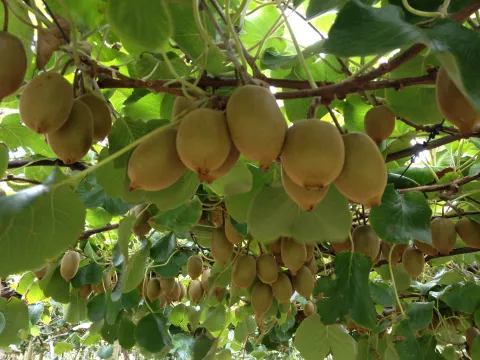
Kiwi
Actinidia chinensis
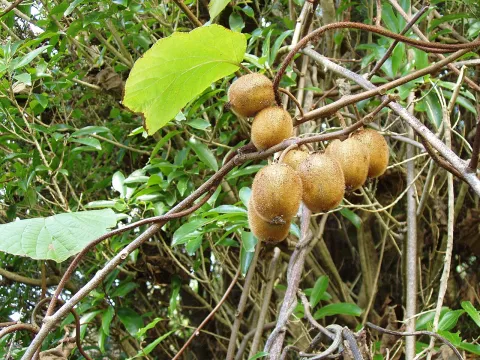
Green kiwi
Actinidia chinensis var. deliciosa
Find out more
Find all our tips in the Monstera application








