Hyacinthus orientalis, the hyacinth of our gardens
Hyacinthus orientalis
- Exposures
- Sun, Half-shade
- Hardiness (USDA)
- 7b (-15°C ≤ T° < -12.2°C)
- Lifecycle
- Perennial
- Foliage
- Evergreen
- Family
- Asparagaceae
- Genus
- Hyacinth Hyacinthus
- Species
- Oriental Hyacinth Hyacinthus orientalis
Other name:Scilla coronaria
The heady fragrance and colorful flowers of the Oriental Hyacinth (Hyacinthus orientalis) herald the return of fine weather. This plant of the Asparagaceae family, native to Turkey and Israel, is one of the first to bloom in spring.
How to recognize the oriental hyacinth, Hyacinthus orientalis?
Hyacinthus orientalis is a perennial with a bushy, upright habit. It reaches 30 centimetres in height and 15 centimetres in width.
Its oval bulb is covered with a fine purplish film. Larger than that of garden Tulip (Tulipa gesneriana), it measures six to seven centimetres in diameter. It enables the plant to build up reserves and flower in spring.
The foliage has between four and six leaves. The linear blades are crossed lengthwise by a furrow and are bright green to darker shades.
Oriental hyacinth flowers come in a wide variety of colors: pale blue, pink, white or light violet, they give off a fresh, sweet fragrance. They are grouped in clusters and attached to the stem by a short pedicel. Each flower has six fused tepals and six stamens. Many cultivars offer double or triple forms.
After flowering, the inflorescence produces a capsule-shaped fruit with three chambers, each containing two seeds.
Hyacinths contain calcium oxalates and alkaloids. These substances are mainly concentrated in the bulb. They are also present in the leaves and flowers. Their ingestion or contact can cause digestive or skin disorders in both humans and pets.
Our care tips
You can leave bulbs in the ground all year round. However, they will bloom more beautifully if you remove them and give them a resting period in a dry, dark place.
 Watering
As daylight hours and temperatures drop into spring, your plant needs special watering.
To know if you need to water, touch the soil. Water only when the surface of the substrate is dry (two to three centimeters). Use non-calcareous water, such as rainwater, at room temperature.
To prevent the roots from suffocating, don't leave standing water in the saucer or planter.
To prevent the roots from suffocating, don't leave standing water in the saucer or planter.
During the rest of the year, adjust the watering of your Hyacinthus orientalis.
Your Oriental hyacinth tolerates thirst better than excess water. Water only when the soil is three to five centimeters dry. Choose moderate rather than heavy watering, and always use non-calcareous water at room temperature.
If you use a planter or saucer, drain off any stagnant water. It can rot the roots.
 Repotting
You can plant your Hyacinthus orientalis in a pierced pot or window box at least 20 centimetres deep. Make a bed of clay balls or gravel to improve drainage.
Place a layer of potting soil or garden soil at the bottom of your container, to cover the drainage layer. Plant your bulb at a depth of about fifteen centimetres. The tip should face upwards.
Add substrate, tamp and water lightly to help the bulb take root.
Have you decided to grow your Oriental hyacinth indoors? Place your pot in a dark place until the first shoots appear.
 Prune
Prune
Once the flowers have faded, cut the stem flush with the ground.
The bulb needs the foliage to replenish its reserves. Do not prune the leaves while they are green. When they are dry, dig up the bulb, clean it to remove the soil and remove the leaves.
Store your bulb in a dry place, away from frost and light.
 Planting
Dig a hole three times as high as the bulb and a little wider. You can place a layer of clay balls or gravel at the bottom to improve drainage.
Plant your bulb vertically, at a depth of fifteen centimetres. The tip should point skywards and the base in contact with the soil. Cover your bulb completely with soil. When planting several oriental Hyacinths side by side, space them at least fifteen centimetres apart.
Tamp and water lightly to help the bulb take root.
 Taking cuttings
Cutting takes place in autumn.
Dig up bulbs after the leaves have wilted. If they have given rise to bulblets, separate them.
Pour a bed of clay balls or gravel into the bottom of a pierced pot or planter. Then place a layer of potting soil or garden soil. You can add sand to lighten your substrate.
Plant your bulbs about 15 cm deep. The tips should face upwards. Cover with potting soil. Tamp gently and water lightly.
If you plan to grow your Hyacinthus orientalis indoors, keep the pot away from light until the first shoots appear.
 Wintering
During the wintering period, your plant's needs are different.
Keep your bulb away from light, in a cool, dry place, until planting. Keep an eye on it to make sure it doesn't rot.
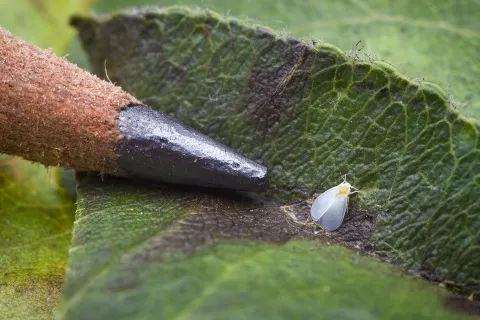
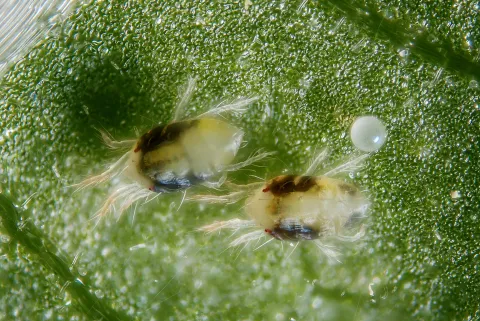
Diseases / Threats
Information
- Lifecycle
- Perennial
- Foliage
- Evergreen
- Exposures
- SunHalf-shade
- Substrates
- Humus soilSandy soil
- Planting methods
- Open groundIn potsIn tubsPlanter
- Categories
- BulbFlowery
- Tags
- BeginnerFlowery
- Origin
- Western Asia
- Hardiness (USDA)
- 7b (-15°C ≤ T° < -12.2°C)
- Leaf color
- Light green
- Flower colors
- WhiteRoseBlueViolet
Discover plants from the same family
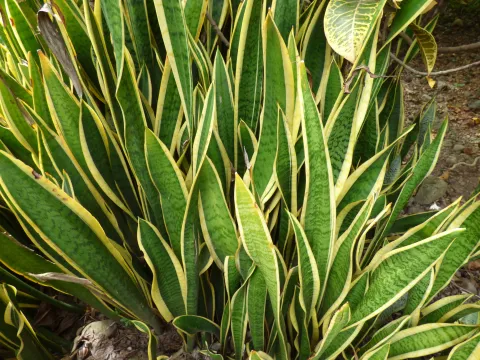
Mother-in-law's language
Sansevieria trifasciata
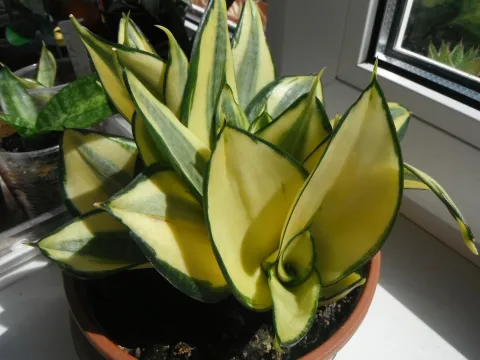
Sansevieria trifasciata 'Golden Hahnii' (Golden Hahnii)
Sansevieria trifasciata 'Golden Hahnii'
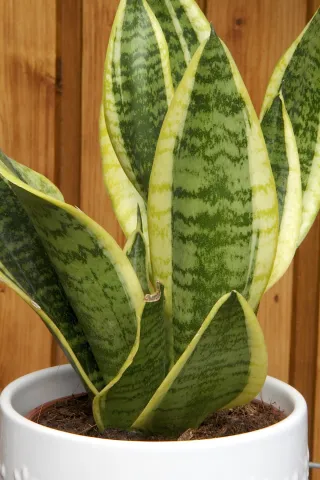
Sansevieria trifasciata 'Futura Simplex
Sansevieria trifasciata 'Futura Simplex'
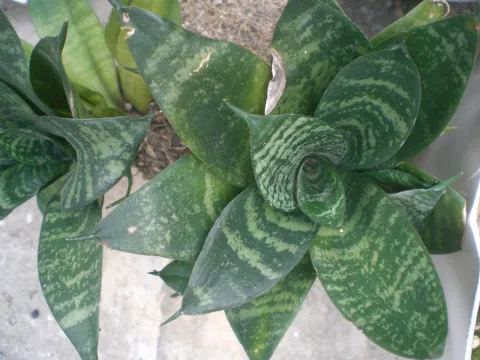
Sansevieria trifasciata 'Hahnii Green Leaves
Sansevieria trifasciata 'Hahnii Green Leaves'
Find out more
Find all our tips in the Monstera application