Convallaria majalis, May lily of the valley
Convallaria majalis
- Exposures
- Half-shade, Shade
- Hardiness (USDA)
- 7b (-15°C ≤ T° < -12.2°C)
- Lifecycle
- Perennial
- Foliage
- Evergreen
- Family
- Asparagaceae
- Genus
- Lily of the valley Convallaria
- Species
- May Lily of the Valley Convallaria majalis
Other names:Convallaria fragrans, Lilium-convallium majale, Polygonatum majale, Lilium convallium
Although almost all the lily of the valley sold in France on May 1st is native to the Loire-Atlantique region, the plant is much more widespread! Convallaria majalis brightens up European undergrowth with its bell-shaped flowers, from Great Britain to Russia. But beware! This member of the Asparagaceae family may bring you good luck, but it can also be very dangerous.
How to recognize May Lily of the Valley, Convallaria majalis?
Lily of the valley (Convallaria majalis) is an upright herbaceous flowering plant. Smaller than lily of the Valley 'Bordeaux', it doesn't grow more than 30 centimetres high.
The plant grows from a trailing rhizome. The underground stem has numerous adventitious roots, enabling it to colonize large areas.
The quadrangular stem never branches and droops slightly. Green, it is covered at the base with a violet or brown sheath.
Each stem bears two thick leaves. Oval to lanceolate, they measure between ten and twenty centimetres long. The dark-green blades are deeply veined.
Convallaria majalis flowers between April and July. The stem is then adorned with fragrant, bell-shaped flowers. White in the botanical variety, they can be tinted pink in certain cultivars Pink lily of the valley).
Once pollinated, the flowers give rise to a spherical red fruit.
Convallaria majalis is highly toxic. All parts contain saponins, a substance that causes digestive and cardiac problems if ingested. Avoid growing lily of the valley if you live with young children or pets.
Our care tips
Have you decided to plant a few sprigs of Lily of the Valley in your garden? Think carefully! The plant has a trailing rhizome and can quickly establish itself in places where it hasn't been invited. What's more, it is extremely toxic to humans and animals if ingested.
 Watering
Allow the potting soil to dry for at least a centimetre. Water the substrate with rainwater at room temperature.
Empty any stagnant water from the saucer or planter. It will rot the roots and may kill your Lily of the Valley.
 Repotting
Pour a layer of potting soil for flowering plants into a perforated pot. Plant your Lily of the Valley in the center. Add substrate to reach rootball level. Pack gently.
Water until the water runs out of the drainage holes to encourage rooting.
 Fertilization
To promote the growth of your Convallaria majalis, apply fertilizer in spring and summer.
Apply flowering plant fertilizer to stimulate flowering.
 Prune
Remove spent flowers before they set seed. Their production exhausts the plant.
 Planting
Before planting your Lily of the Valley, work the soil. Pull out weeds and remove roots within about 20 centimetres of the planting area.
Then dig a hole fifteen to twenty centimeters deep. Place a little compost or potting soil at the bottom to enrich the soil.
Plant your Lily of the Valley, spreading out the roots. You can fill in the hole with your own garden soil. But if your soil is heavy, add a little sand to lighten it.
Water generously to help the plant establish itself.
 Taking cuttings
Propagation by cuttings takes place in autumn.
Your Lily of the Valley has a creeping rhizome. You can cut off part of it to propagate the plant.
Take advantage of repotting to gain access to the root system. If you have planted your Lily of the Valley in the ground, you can dig a hole around the plant. Ten or fifteen centimetres deep is enough to find the roots.
Using a clean, sharp knife, remove a claw, i.e. A horizontal root with adventitious roots and a bud. Then fill in the hole or repot your plant.
Dig a hole about five centimeters deep. Remove weeds and pebbles.
Plant your Convallaria majalis. Be sure to position the cutting the right way: the tip should point upward.
Cover the cutting with five centimeters of soil. You can use your garden soil. If your soil is heavy, lighten it with a little sand.
Water generously to help it take root.
Diseases / Threats
Information
- Lifecycle
- Perennial
- Foliage
- Evergreen
- Exposures
- Half-shadeShade
- Substrates
- Calcareous earthHumus soil
- Planting methods
- Open groundIn potsPlanter
- Tags
- BeginnerInvasiveToxic
- Origins
- Northern EuropeEastern EuropeSouthern EuropeWestern Europe
- Hardiness (USDA)
- 7b (-15°C ≤ T° < -12.2°C)
- Leaf color
- Dark green
- Flower color
- White
- Fruit color
- Red
Discover plants from the same family

Pink lily of the valley
Convallaria majalis rosea

Lily of the valley 'Bordeaux'
Convallaria majalis 'Bordeaux'
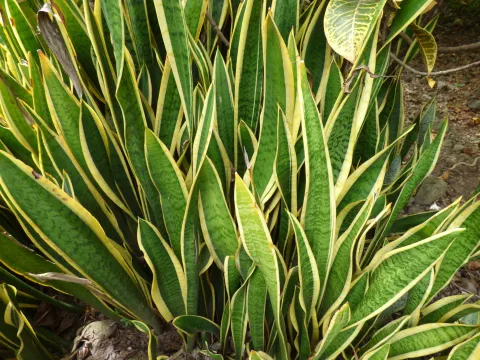
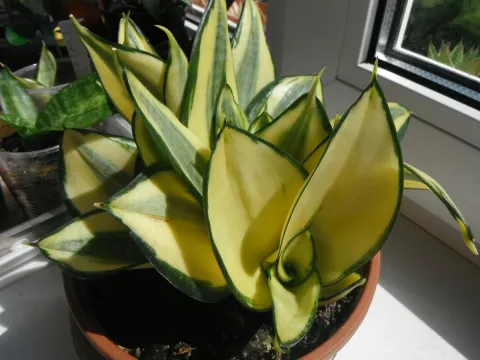
Snake plant
Sansevieria trifasciata
Find all our tips in the Monstera application








