Allium schoenoprasum chives, a must in the garden and in the kitchen
Allium schoenoprasum
- Exposures
- Sun, Half-shade
- Hardiness (USDA)
- 7b (-15°C ≤ T° < -12.2°C)
- Lifecycle
- Perennial
- Foliage
- Evergreen
- Family
- Amaryllidaceae
- Genus
- Allium
- Species
- Chives Allium schoenoprasum
Although chives, Allium schoenoprasum in Latin, are a well-known condiment, their origins are more mysterious. This member of the Amaryllidaceae family is thought to have originated in China or Siberia. This aromatic plant can be found in Europe and North America, where it embellishes gardens and meals alike!
How to recognize chives, Allium schoenoprasum?
Chives are aculeate perennials. It grows to between 20 and 50 centimetres in height, with a 10-centimetre wingspan. Its semi-evergreen foliage, which grows in compact clumps, gives it a bristly appearance.
Although chives have no stems, they do have long, green leaves. Cylindrical, hollow and narrow – they measure less than five millimeters in diameter – their shape is reminiscent of a needle.
Chives flower in spring and summer, from May to July. The inflorescence, seven to fifteen centimetres high, crowns the foliage. These are hemispherical umbels, three centimetres in diameter. Each contains up to 30 star-shaped, violet or pale pink flowers.
The civet is not only cultivated for its decorative qualities. Its flowers and leaves are edible. The latter are used in cooking as a condiment, along with herbs. They enhance omelettes, salads and stuffings. While musk Chervilan aniseed taste, chives have an onion-like, slightly garlicky flavor.
But chives are also a precious ally in our gardens and vegetable patches. Like common Basil, it is a natural aphid repellent. Don't hesitate to plant a few vines with your roses!
Our care tips
The leaves of Allium schoenoprasum turn yellow when the plant needs water. But they can also turn yellow if you've overwatered! Always remember to touch the substrate before watering.
 Watering
Before watering, make sure the substrate is two or three centimetres dry by dipping your fingers into the soil. If this is the case, moisten the root ball with non-calcareous water at room temperature.
To avoid drowning the roots, don't leave stagnant water in the dish.
 Repotting
Soak the root ball for a few minutes to rehydrate the roots. Then get a perforated pot and pour in a drainage layer (clay balls or gravel).
On top of this, add a light, rich substrate, such as potting soil for herbs. Place the root ball in the center of the pot, then fill in with potting soil, packing lightly around the plant.
Finish by watering generously: mint appreciates humidity and this will help it to take root.
 Harvest
Cut the leaves at the base witha clean, sharp tool, such as pruning shears or scissors.
 Planting
Once the last spring frosts have passed, you can plant.
Soak the root ball of your Chives in a bucket of water for a few minutes.
Then dig a hole about twice as wide and deep as the root ball. Clean the soil, removing stones, roots and weeds. If you're planting several plants, space them at least 20 cm apart to allow sufficient room for root development.
Place your Allium schoenoprasum into the hole, taking care not to bury the leaves at the base of the plant. Fill in with garden soil and pack lightly.
Water abundantly at the base, without wetting the foliage, then add mulch to conserve soil moisture.
 Sowing
Once the risk of frost has passed, you can sow your Allium schoenoprasum seeds.
Work the soil to a depth of about twenty centimetres, using a claw. Break up any clods and loosen the soil. Remove stones, roots and weeds.
Make furrows two centimetres deep. If you're planting several rows of chives, space them at least 25 centimetres apart.
Sow your seeds, cover with soil, press down and water.
Once the risk of frost has passed, you can sow your Allium schoenoprasum seeds.
Pour a mixture of :
- Potting soil for seedlings and planting ;
- Potting soil for herbs.
Sow your seeds, spacing them apart. Cover them with one to two centimetres ofsubstrate.
 Taking cuttings
Cutting takes place in autumn.
Dig up your Chives without damaging the roots. Using your spade or a suitable tool, cut the plant into at least two parts.
Dig a hole about 20 centimetres deep. Remove stones and weeds. Loosen the soil clods.
Plant your Allium schoenoprasum and fill in the hole with garden soil. Tamp and water.
Keep your plant at least 20 centimetres away from other plants to give its roots room to develop.
Cutting takes place in autumn.
Dig up your Chives without damaging the roots. Using your spade or a suitable tool, cut the plant into at least two parts.
In a perforated pot 15 centimetres deep, pour a layer of clay balls for drainage, then potting soil for vegetable or aromatic plants. Plant your Allium schoenoprasum and add substrate. Stop a few centimetres before the edge to form a watering trough.
Tamp and water.
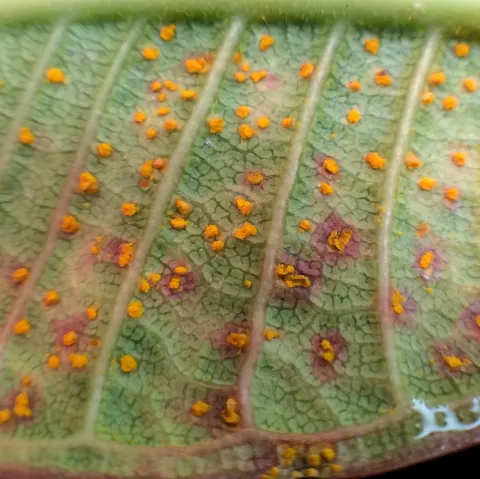
Disease / Threat
Information
- Lifecycle
- Perennial
- Foliage
- Evergreen
- Exposures
- SunHalf-shade
- Substrate
- Humus soil
- Planting methods
- Open groundIn potsIn tubs
- Categories
- VegetableHerbaceous
- Tags
- BeginnerFloweryEdible flower
- Origins
- North AsiaEast Asia
- Hardiness (USDA)
- 7b (-15°C ≤ T° < -12.2°C)
- Leaf color
- Light green
- Flower colors
- VioletPale pink
Discover plants from the same family
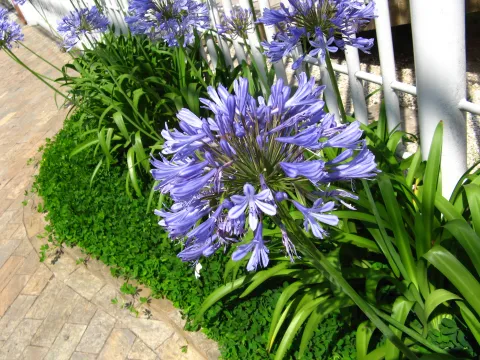
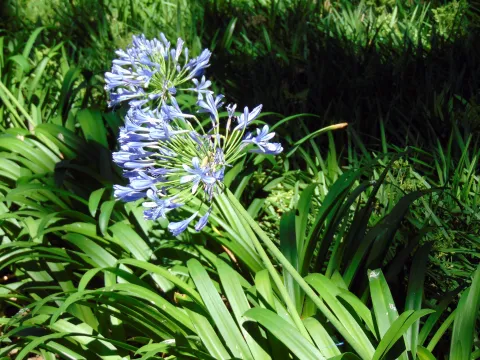
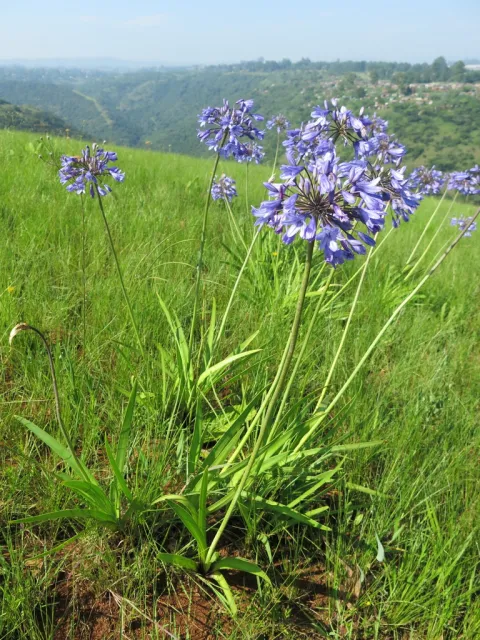
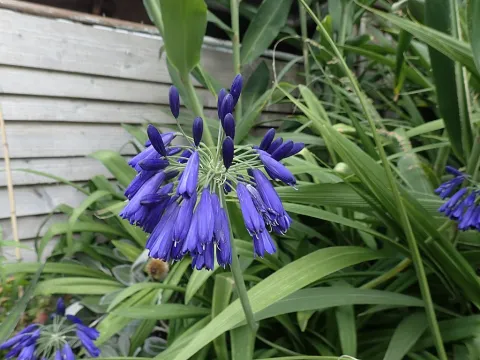
Early Agapanthus
Agapanthus praecox
Find all our tips in the Monstera application